Book professional weed control near me in Yorkshire
Weed Control Near Me in Yorkshire - Local Gardeners, From £40
Book professional weed control in Yorkshire from £40 per visit. Local gardeners treat lawns, driveways, patios and borders across 240+ Yorkshire towns. Free enquiries. Fixed price before any work starts. No call centres.
- Free quotes, no obligation
- Local gardeners
- 240+ Yorkshire towns covered
- No call centres
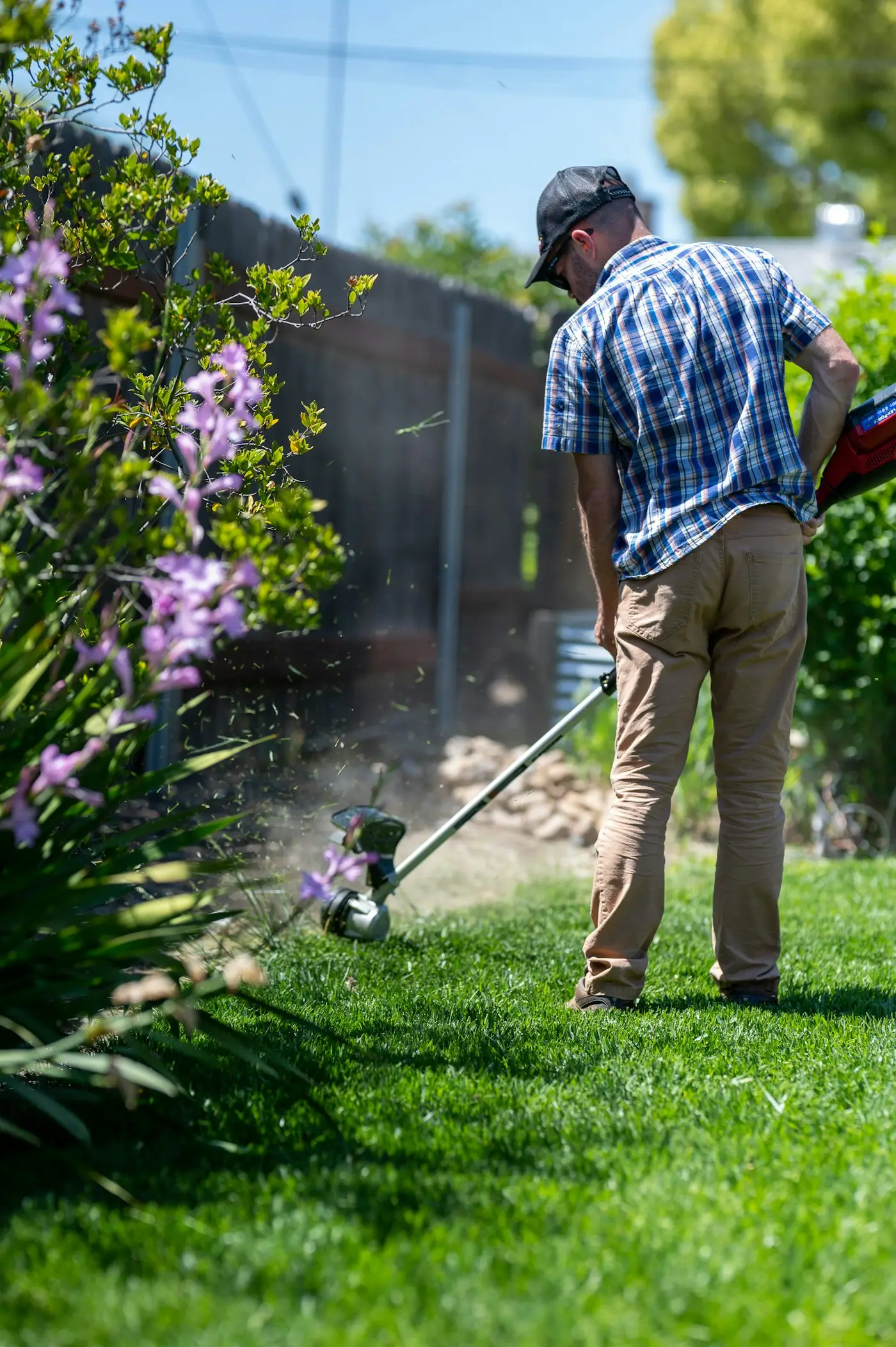
Weed control in Yorkshire costs from £40 per visit for a standard domestic garden. A lawn weed-and-feed treatment runs £40-90, driveway and patio spraying £60-120, border weed clearance £80-200, and an annual programme of 3-4 visits costs £120-280. Most gardens need 1-3 visits per year. Local gardeners cover 240+ Yorkshire towns with fixed prices quoted before work starts.
What gets booked for weed control in Yorkshire?
Most calls come down to one of four situations: a lawn that's lost to clover and dandelions, a driveway or patio where weeds are pushing through every joint, borders that have been overtaken through a busy summer, or an invasive plant that's been ignored long enough to become a proper problem. Each one needs a different approach, and the right one depends on where the weeds are, what they are and how bad it's got.
Yorkshire Lawn & Garden matches weed control jobs to local gardeners who know your area and can visit consistently. A gardener based near Helmsley or Pickering will be back for the follow-up treatment without the travel overhead that makes one-off bookings through larger outfits unreliable. We cover weed control near you across Leeds, York, Harrogate, Bradford, Sheffield, and 240+ towns across Yorkshire.
For pricing context before you book, the gardener hourly rate guide covers Yorkshire vs national rates, and the garden maintenance cost guide gives a full breakdown of what ongoing weed control costs as part of a maintenance contract. For everything you need to know about tackling specific weeds in Yorkshire, read our weed control guide.
Lawn weed control
The standard approach for weedy lawns is a selective herbicide treatment, a weed-and-feed product that kills broadleaf weeds like dandelions, clover, plantain and daisies while leaving the grass itself unaffected. It works best applied in late April to May when the weeds are actively growing and absorbing nutrients.
Yorkshire's clay soils across much of the county hold moisture well but tend to compact over winter, which weakens the turf and lets weeds establish in the thin patches. If your lawn has a lot of bare or thin areas alongside the weeds, it is often worth combining the treatment with a spring maintenance visit that includes scarifying, overseeding the bare patches and a follow-up feed visit six weeks later. Clover in particular is a sign of a nitrogen-poor lawn, feed the grass and you shift the competition back in the grass's favour.
Moss is a separate problem but often appears alongside lawn weeds. Ferrous sulphate lawn sand kills moss and is applied before scarifying it out. The underlying causes, shade, poor drainage, compaction, need addressing too or the moss will return the following winter.
Driveway and patio weed spraying
Weeds in block paving and patio joints are one of the most common jobs we see. The standard treatment is a knapsack-applied glyphosate, which works down into the root system rather than just killing the top growth. It takes seven to fourteen days to show full effect, and the dead material can be brushed out once it has fully died back.
Glyphosate is still legal for domestic use in the UK. The main rules: keep children and pets off the treated surface for 24-48 hours until the product has dried, avoid spraying within 5 metres of a water course or drain, and don't apply when rain is forecast. If you'd rather avoid chemical treatment, natural alternatives based on acetic acid are available, they are effective on young annual weeds but need more visits to deal with established perennial roots like bindweed or horsetail.
Across Harrogate, York and many of the older market towns, Victorian-era block paving and stone flags develop weed problems quickly once the original pointing starts to break down. A spray treatment every season is a lot more straightforward than regrout work every few years.
Border and bed weeding
Borders are where manual work and targeted spray need to work together. You cannot spray selectively around established perennials and shrubs without risking damage to plants you want to keep, so most border weeding is hand-pulling, hoe and a targeted spot-spray on persistent weeds that regrow from root fragments (bindweed, ground elder, couch grass). A gardener who knows the difference between a weed seedling and a herbaceous perennial cutting is worth a lot here. For households growing food in raised beds, keeping weeds out of the beds is especially important in the first season when the beds are being established.
Across Ripon, Northallerton and the Vale of York, gardens with established rose beds and cottage-style planting get the most benefit from a twice-yearly border clear, spring before the perennials come through, and late summer before weed seed sets. Weeds seeding in August become next year's problem; catching them before the seeds drop saves a lot of work in April.
In Beverley and the East Riding, sandy-loam soils drain well but warm up fast in spring, annual weed germination starts early and the weeds grow quickly in the first warm weeks. A March or early April border visit gets ahead of the season in a way that a May visit cannot.
Weed control folds naturally into broader garden maintenance rounds. If you already have a regular gardener visiting, border weeding is often included or easily added to the visit scope. For gardens that have been left a while and need significant clearing before regular treatment can begin, a garden clearance visit is often the practical first step.
Nettles, brambles and invasive plants
Nettles and brambles are common in Yorkshire gardens that back onto open land, particularly in the Pennine villages and the moors fringe. Both can be cut back and treated with a stump-and-root herbicide to slow regrowth. They will not vanish after a single treatment, you usually need two or three visits across a season to exhaust the root system, but they can be brought under control without heavy excavation.
Japanese knotweed is a different matter. It is listed on Schedule 9 of the Wildlife and Countryside Act, and full eradication requires a PCA-registered specialist who can legally inject herbicide into the canes, handle the waste correctly and provide mortgage-compliant documentation. Yorkshire Lawn & Garden gardeners can identify knotweed and help you decide what to do, but we will be honest: full eradication is a specialist job. If you suspect you have knotweed, mention it in the form and we will point you to the right people rather than take on work that needs specialist certification. For everything else invasive, ground elder, horsetail, bindweed, himalayan balsam, standard targeted treatment and persistence work well.
How does weed control work in Yorkshire?
A weed control visit starts with a quick assessment of what needs treating and where - lawn, borders, driveway, patio or all of the above. The gardener then applies the right treatment for each zone: selective herbicide for lawns, knapsack spray for hard surfaces, hand-weeding and targeted spot-spray for borders. For persistent perennial weeds like bindweed or ground elder, a return visit is booked at the right point in the treatment cycle - usually 4-6 weeks later - to catch regrowth before it re-establishes. Most Yorkshire gardens need 2-3 visits across the season for lasting results.

Weed Control Near Me in Yorkshire
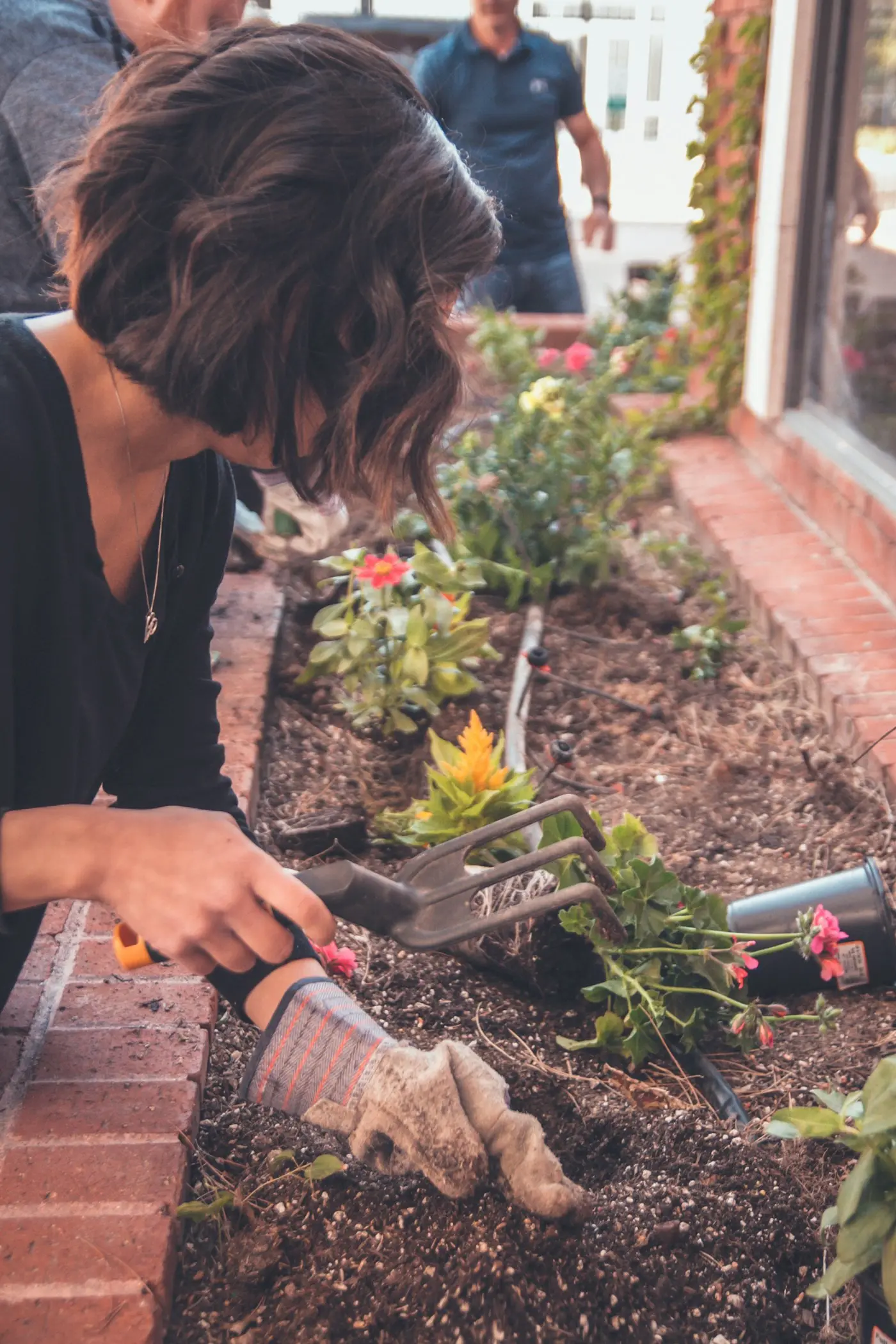
If you are searching for weed control near you in Yorkshire, we put your enquiry in front of a local gardener who already covers your postcode - not someone travelling from a central depot. That matters for weed control because persistent weeds like bindweed and ground elder need follow-up visits at the right point in the treatment cycle, typically 4-6 weeks after the first application. A gardener already working your area can return consistently without the travel overhead that makes follow-up visits unreliable from larger outfits.
We cover weed control near you across all of Yorkshire including Leeds, York, Harrogate, Sheffield, Bradford, Hull, Doncaster and Wakefield, plus 240+ towns and villages across North, South, East and West Yorkshire. Fill in your postcode and a local gardener can follow up with a real price. Most Yorkshire areas have free enquiries outside the April to June peak booking window.
What causes weed problems in Yorkshire gardens?
Yorkshire's varied soils create distinct weed challenges by area. Bindweed and ground elder are common on old allotment land across West Yorkshire and the Sheffield fringe, where decades of cultivation have distributed root fragments through the soil. Japanese knotweed appears in pockets across the East Riding and on former industrial and railway land in South and West Yorkshire. Dandelion pressure is notably high in the limestone and alkaline soils of the Dales and around Harrogate, where the free-draining, high-pH conditions suit it well. Dock is a persistent problem on heavy clay land in and around Hull, Bradford and the lower Calder Valley, where waterlogged conditions favour it in winter and the tap root runs deep into compacted soil.
Heavy clay soil across the Vale of York, the coal measures in South Yorkshire and much of the Pennine foothills holds water and compacts over winter. That combination weakens turf, reduces drainage in borders and creates ideal conditions for moss, clover and annual meadow grass to establish. Gardens in Mexborough and Wombwell sit squarely on this ex-colliery clay belt, and weed problems there are often compounded by compaction and low organic matter in the original topsoil. If your lawn is a mess every spring, the soil is probably the story as much as the weeds. For a fuller picture of what grows where, and which treatments work best by soil type, see the Yorkshire garden weed control guide.
Coastal gardens from Filey and Scarborough down to Bridlington sit on lighter, sandier soils. Drainage is better, but the weed mix is different, sea campion, fat hen and annual weeds that thrive in the free-draining sandy substrate germinate fast and need catching earlier in the season.
New-build estates across Selby, Goole and the expansion areas around Tadcaster often have construction weed-seed banks in the topsoil, builders' rubble topped with thin subsoil, then a layer of topsoil that's full of dormant weed seeds disturbed during the build. New lawns and borders on these plots can feel like an uphill battle in years one and two. The weed seed bank does exhaust itself over time if you don't let the weeds set seed, but it takes patience. An annual programme that prevents seeding each summer is the practical approach.
The Yorkshire Wolds and the limestone belt around Malton and the Howardian Hills have shallower, better-draining soils. Moss is less of an issue but perennial chalk-loving weeds like creeping thistle and field bindweed can be persistent in borders, especially on plots that were previously agricultural land.
Which weeds commonly invade Yorkshire gardens?
Yorkshire's varied soils and climate create conditions that favour several persistent weed species. Knowing which weed you have is half the battle, because the treatment approach differs significantly between an annual weed (which needs preventing from seeding) and a deep-rooted perennial (which needs systemic herbicide repeated across the season).
Bindweed
The two species found in Yorkshire gardens are hedge bindweed (Calystegia sepium, with large white trumpets) and field bindweed (Convolvulus arvensis, with smaller pink-and-white flowers). Both spread from deep, brittle roots that can reach several metres down. Clay soils across the Vale of York, South Yorkshire and the Pennine foothills are particularly favoured by bindweed, and any attempt to dig the roots out tends to break them into fragments that each regrow. The effective treatment is repeated foliar application of systemic glyphosate during the growing season, applied when the plant is actively growing in May to September. In mixed borders, a paint-on gel application to individual leaves avoids chemical contact with surrounding plants.
Ground elder
Ground elder (Aegopodium podagraria) is one of the most common border weeds across Yorkshire and is notoriously difficult to remove once established. The white underground rhizomes snap easily and each fragment grows back as a new plant, which means digging it out often makes things worse. The effective approach is cutting back to 15cm and applying systemic glyphosate to the regrowth, repeated every time new growth appears through the season. Yorkshire's damp growing conditions in areas like the Calder Valley and around Leeds and Bradford mean ground elder can colonise a neglected border very quickly. Full control typically takes two growing seasons of persistent treatment.
Mare's tail (horsetail)
Horsetail (Equisetum arvense) is particularly prevalent on heavier, damper Yorkshire soils and is one of the hardest weeds to treat because its roots can go two metres deep and it has naturally waxy stems that repel herbicide. The best approach is to bruise or crush the stems before applying glyphosate, then repeat the process as new growth appears. Covering treated areas with weed membrane reduces the light the plant needs. Mare's tail is a sign of compacted or poorly drained soil, so improving drainage alongside treatment gives better long-term results. It is common in gardens on the clay belts of the West Riding and in areas with high water tables.
Couch grass
Couch grass (Elytrigia repens) spreads by underground rhizomes in the same way as bindweed, creeping through lawn edges and into borders. In lawns it cannot be selectively treated because selective herbicides target broadleaf weeds rather than grasses. The options are physical removal of the rhizomes (time-consuming), or total clearance with a non-selective herbicide followed by reseeding or returfing the affected area. In borders, physical removal at the roots is the main approach, combined with deep mulching after to suppress regrowth.
Nettles and brambles
Both are common in Yorkshire gardens that back onto open land or have been left for any length of time. Nettles can be controlled with a selective broadleaf herbicide or glyphosate, but the root mat needs treating rather than just the top growth. Brambles need cutting back to ground level first, then a stump-and-root herbicide applied to the cut stems before they can seal over. Expect to need two or three visits across a season to exhaust established bramble root systems. Both are common along garden boundaries in the Pennine villages and on the moors fringe around Holmfirth, Hebden Bridge and the West Yorkshire uplands.
Creeping thistle
Creeping thistle (Cirsium arvense) spreads by horizontal roots and is a common problem in Yorkshire gardens on the Wolds and limestone belt around Malton and the Howardian Hills, where shallower free-draining soils favour it. It is also common on gardens converted from agricultural land across the county. Systemic herbicide applied to actively growing plants in late spring to early summer is the most effective treatment. Cutting alone causes the plant to spread laterally, so cutting without herbicide follow-up can make the problem worse.
Japanese knotweed
Knotweed appears in some Yorkshire gardens, particularly on the former industrial sites of South and West Yorkshire where disturbed ground provided ideal germination conditions. It is a Schedule 9 species under the Wildlife and Countryside Act 1981, illegal to allow to spread to neighbouring land, and the waste cannot be composted or taken to a standard tip. Full eradication is a specialist job requiring PCA-registered contractors who inject herbicide directly into the canes over two or three seasons. If you suspect you have knotweed, see the Japanese knotweed removal Yorkshire guide and the knotweed insurance and mortgage guide, then mention it when you request a quote. We will direct you to a licensed specialist rather than take on work that requires specialist certification.
Common Yorkshire Garden Weeds and How to Treat Them
Creeping buttercup (Ranunculus repens) is widespread in Yorkshire lawns and clay borders, spreading by runners across damp, compacted ground. A selective broadleaf herbicide handles it in lawns; in borders, hand clearance before it runs is more practical. Mare's tail (Equisetum arvense) is one of the hardest weeds to clear on Yorkshire's heavier, wetter soils, particularly across the West Riding. Its roots reach two metres deep, and surface spray alone will not control it. Crushing the stems before applying systemic glyphosate improves uptake significantly.
Ground elder spreads by fragile white rhizomes through border soil, and digging it out breaks the roots into fragments that each regrow. Repeated systemic herbicide applications across the growing season, typically over two seasons, are the effective approach. Cleavers (sticky willy) appear from early spring, germinating through winter and growing fast once temperatures rise. Surface herbicide or hand-pulling before the plant sets seed is usually sufficient; it is a seasonal problem rather than a persistent one.
Japanese knotweed requires a PCA-registered specialist contractor. Standard weed control is not sufficient for this species and a specialist assessment is required before any treatment begins. If you are unsure what species you have, a professional assessment visit can identify the problem before treatment.
Types of weed control - what treatment do you need?
The right treatment depends on what you are dealing with. Annual weeds need a different approach from deep-rooted perennials, and invasive species like Japanese knotweed require specialist handling. Here is a quick guide to the main types, with typical Yorkshire prices.
Annual weed control
Annual weeds (dandelions, groundsel, fat hen, chickweed) complete their life cycle in one season. The key is stopping them before they set seed. Hand-pulling, regular hoeing, and mulching bare soil are the main approaches. For lawns, a selective weed-and-feed treatment in late April to May handles most annual broadleaf weeds in a single visit. Typical price: from £25-35/hr for hand-weeding, or £40-90 for a lawn weed-and-feed treatment.
Perennial weed control - bindweed and couch grass
Perennial weeds like bindweed (Calystegia sepium) and couch grass (Elytrigia repens) survive winter as root systems and re-emerge each spring. Surface removal rarely works; deep, brittle roots break easily and each fragment regrows. The effective treatment is repeated foliar application of systemic herbicide during the growing season, targeting the plant when it is actively transporting nutrients to its roots. Expect 2-3 treatments in year one, reducing in year two as the root system exhausts. Typical price: from £50-150 per visit, with most perennial weed programmes requiring 2-3 visits in the first season.
Japanese Knotweed - specialist treatment required
Japanese knotweed (Reynoutria japonica) is listed on Schedule 9 of the Wildlife and Countryside Act 1981. It is illegal to allow it to spread to neighbouring land, and waste must be handled as controlled waste by a licensed carrier. Full eradication requires a PCA-registered specialist who injects herbicide directly into the canes over two or three seasons and provides the documentation needed for mortgage and property sale purposes. For large stands, the Environment Agency may need to be notified. Typical price: from £500 for an initial treatment - full eradication over 2-3 seasons is considerably more.
Drive and patio weed removal
Weeds pushing through block paving joints and patio cracks are one of the most common calls. Knapsack-applied glyphosate works into the root system and shows results within 7-14 days. Natural acetic-acid alternatives are available if you prefer to avoid chemical treatment on hard surfaces. One spring treatment keeps most driveways clear for the season; a second in autumn is worth considering for heavy weed pressure. Typical price: £30-80 for a typical drive or patio.
Chemical vs organic weed control
Chemical herbicides (glyphosate for hard surfaces and perennial borders; selective broadleaf for lawns) are faster-acting and more effective on established root systems. Organic alternatives based on acetic acid work on young annual weeds and show results quickly, but do not penetrate deep enough for established perennial roots. For annual weeds and light pressure, organic methods are a reasonable choice. For persistent perennials like bindweed, ground elder, or horsetail, chemical systemic treatment is significantly more effective. A professional gardener will advise on the right approach for your specific situation.
| Job | Typical price |
|---|---|
| Weed removal (small border) | £40-80 per visit |
| Weed removal (large garden) | £80-150 per visit |
| Herbicide treatment | £50-120 including material |
| Drive/path weed removal | £30-80 |
| Japanese Knotweed (initial treatment) | from £500 |
How much does weed control cost in Yorkshire?
These are the ranges we see regularly across Yorkshire. For full context on gardening costs, see the Yorkshire gardener cost guide or the garden maintenance cost guide.
| Job | Typical price | Notes |
|---|---|---|
| Single weed control visit | £50–£150 | Covers most standard jobs. Price depends on size and what's being treated. |
| Small garden weed treatment (up to 50 sq m) | £50–£120 | Typical terrace or compact semi garden. Lawn, driveway or borders. |
| Medium garden weed treatment (50-150 sq m) | £120–£200 | Average detached or semi-detached garden. May cover lawn plus borders. |
| Large garden weed treatment (150 sq m+) | £200–£400+ | Large detached or rural plot. Multiple treatment zones or dense weed coverage. |
| Lawn weed-and-feed treatment | £40–£90 | Selective herbicide applied to lawn. Small terrace to large detached lawn. |
| Driveway / patio spray | £60–£120 | Knapsack glyphosate or natural alternative. Joint weeds and paving cracks. |
| Border weed clearance | £80–£200 | Hand-weeding and targeted spray. Heavily overgrown borders at the higher end. |
| Annual treatment programme | £150–£400 | Three to four spaced visits across the year. Best long-term value. |
| Nettles / brambles removal | £80–£200 per session | Cut back plus root treatment. Multiple visits usually needed. |
These prices reflect typical Yorkshire rates. What you actually pay depends on your garden size, how bad the weed problem is, and which treatment approach is right for it. Fill in the estimate form and a local gardener will come back with a real number before any work starts.
Weed Control Cost in Yorkshire 2026
The table below breaks down typical costs by treatment type so you can see at a glance what covers what. Actual quotes depend on garden size, access and weed density.
| Treatment type | What it covers | Typical cost |
|---|---|---|
| Lawn weed treatment | Broadleaf weed spray, 50m² lawn | £40–80 |
| Driveway weed control | Block paving or gravel, typical drive | £30-80 |
| Patio/path weeds | Cracks, joints, borders | £45–80 |
| Border weed clearance | Hand clear + treatment, 20m² | £60–120 |
Weed Control in Yorkshire: Common Questions
What does a typical weed treatment visit cost in Yorkshire?
Spot treatment for a small to medium garden costs £25–£60 per visit. A full garden treatment runs £60–£150 depending on size. A season-long programme of 3–4 visits costs £150–£350. Yorkshire labour rates for weed control run 20–30% below the UK national average. For a full breakdown by treatment type and garden size, see our Yorkshire gardener cost guide and garden maintenance cost guide.
What types of weeds can a gardener treat?
Yorkshire gardeners treat common garden weeds including bindweed, ground elder, couch grass, dandelions, dock, creeping thistle, horsetail (mare's tail), nettles, brambles and himalayan balsam. Annual weeds like dandelions and groundsel often need just one visit at the right time of season. Persistent perennial weeds with deep root systems, such as bindweed, ground elder and horsetail, need 2–3 treatments across the growing season to exhaust the root system. Japanese knotweed is listed on Schedule 9 of the Wildlife and Countryside Act and requires a PCA-registered specialist for full eradication. For detail on each weed type and how it is treated, see the Yorkshire garden weed control guide.
How many weed control visits do I need?
Most Yorkshire gardens need 2–3 visits per year for lasting results. A lawn weed-and-feed in late April to May plus a possible follow-up in August covers most lawns. Driveways and patios typically need one spring treatment, sometimes a second in autumn. Borders with persistent perennials like bindweed or ground elder need 3–4 treatments through the first growing season to exhaust the root system. One-off visits work well for annual weeds and hard surfaces; persistent perennials need a programme to see lasting improvement. An annual programme of 3–4 spaced visits from April to September gives the best year-round result and usually costs less per visit than one-off bookings.
Is weed control safe for children and pets?
Chemical treatments require an exclusion period after application: keep children and pets off treated surfaces for 24–48 hours until the product has fully dried. Your gardener will tell you the exact window for the product used. Natural acetic-acid alternatives have a shorter exclusion period and are a reasonable choice if you prefer to avoid chemical treatment on hard surfaces. All chemical treatments should be kept at least 5 metres from a watercourse or drain. Glyphosate is legal for domestic use in the UK; if you have concerns about a specific product, ask the gardener before the visit and they will explain what is being applied and why.
What is the best time of year for weed control in Yorkshire?
Late April to May is the best time for most weed control in Yorkshire. Annual weeds (dandelion, chickweed, groundsel) are actively growing and absorbing herbicide from the spring flush in March through May. Perennial weeds like bindweed and ground elder are most receptive to systemic glyphosate from May to September when they are actively transporting nutrients to their roots. A second treatment window in July to August catches regrowth before seed-set. North Yorkshire and upland areas typically run two to three weeks behind the lowland Vale of York for the start of the growing season. For a full month-by-month calendar, see the seasonal treatment calendar in the deep-dive section below.
How many treatments does weed control take?
Annual weeds such as dandelions and chickweed can often be cleared in one visit at the right time of season. Driveways and patios typically need one spring treatment per year. Lawns benefit from one main weed-and-feed in late April to May, with a possible follow-up in August. Persistent perennial weeds like bindweed, ground elder and horsetail need two to three applications across the growing season in year one to exhaust the root system. For most Yorkshire gardens, an annual programme of three to four spaced visits from April to September gives the best long-term result and costs less per visit than one-off bookings.
Can you treat a lawn and drive in the same visit?
Yes. Most Yorkshire gardeners will treat your lawn and driveway or patio in a single visit. A selective broadleaf herbicide goes on the lawn (leaves grass unaffected) and glyphosate or a natural acetic-acid alternative goes on the hard surfaces. Both can be done in one visit without conflict. Combining jobs saves call-out cost and often reduces the total price by £20-40 compared with two separate bookings. When you request your estimate, mention all areas you want treated, including lawn, driveway, patio and any borders, so the gardener can bring the right equipment.
What month gives the best results for weed treatment in Yorkshire?
Late April to May is the main treatment window: weeds are actively growing and absorbing herbicide most effectively. North Yorkshire and upland areas typically run two to three weeks behind the lowland Vale of York for the start of the growing season. Horsetail (mare's tail) is best treated in May to June when new growth is softest. A second treatment window in July to August catches weeds before they set seed, preventing next year's problem from building up. Avoid treating in drought, frost or immediately before heavy rain. For a full month-by-month treatment calendar for Yorkshire gardens, see the weed treatment calendar in the deep-dive section below.
Can you treat Japanese knotweed in Yorkshire?
Japanese knotweed is a Schedule 9 listed species under the Wildlife and Countryside Act 1981. It is illegal to allow it to spread to neighbouring land, and the waste cannot go to a standard tip. Full eradication requires a PCA-registered specialist who injects herbicide into the canes over two to three seasons and provides documentation needed for mortgage and property sale purposes. Yorkshire Lawn and Garden gardeners can identify knotweed and advise you, but we will direct you to a licensed specialist rather than take on work that requires specialist certification. For all other invasive species - ground elder, bindweed, horsetail, brambles - standard targeted treatment works well. If you suspect you have knotweed, mention it when you fill in the estimate form.
What is the difference between weed killing and weed control?
Weed killing uses a product to destroy the visible plant. Weed control is a longer-term programme that combines the right product, the right timing, and follow-up visits to stop weeds returning. A single glyphosate treatment kills what is there now; a weed control programme prevents the problem rebuilding by treating at the right point in the growth cycle and stopping weeds before they set seed. For persistent perennials like bindweed, ground elder and horsetail, the difference matters a lot - killing the top growth without exhausting the root system just delays the problem by a few weeks.
Will weeds come back after treatment?
It depends on what was treated and how. A driveway sprayed in spring typically stays clear for three to six months before new seeds germinate in the joints. Lawn weed-and-feed kills active weeds but does not prevent new ones from germinating, so an annual programme gives better long-term results. Persistent perennial weeds like bindweed and ground elder need repeated systemic herbicide across one to two seasons to exhaust the root system - a single treatment rarely clears them permanently. No treatment is a one-off permanent fix; a realistic expectation is a noticeably cleaner garden for the season, with each successive year reducing the weed population.
How long does weed treatment take?
A typical weed control visit takes 1-3 hours depending on what is being treated. A lawn weed-and-feed treatment for a semi-detached garden takes around 30-60 minutes. A driveway or patio spray takes 45-90 minutes depending on surface area. Border hand-weeding for an established garden with several beds typically takes 2-4 hours for a thorough first session. Results show at different speeds: natural contact treatments show within 24-48 hours, glyphosate on driveways takes 7-14 days, lawn weed-and-feed shows within 2-3 weeks as the broadleaf weeds die back.
Do you use chemical or natural weed control?
Both options are available, and your gardener will advise which is right for your situation. Chemical herbicides - selective broadleaf for lawns, glyphosate for hard surfaces and borders - are faster-acting and more effective on established perennial root systems. Natural alternatives based on acetic acid work well on young annual weeds and show results within 24-48 hours, but do not penetrate deep enough for established roots like bindweed or horsetail. For persistent perennial weeds, chemical systemic treatment is considerably more effective. If you prefer to avoid chemical treatment on your patio or driveway, mention it when you request your estimate.
How often do I need weed control treatment in my Yorkshire garden?
For a weed-free lawn, a pre-emergent treatment in early spring (March to April) plus a spot treatment in summer covers most gardens. Borders with persistent weeds may need two or three visits per season. A regular maintenance gardener can combine treatment with their scheduled visit, which reduces cost.
Can weed control be combined with other garden services?
Yes. Most Yorkshire gardeners who offer weed control will combine it with a lawn treatment, border clearance, or general tidy-up. Combining saves call-out cost and often reduces the total price by £20-40. Ask when booking whether they can do both in the same visit.
How much does weed control cost per year if I use a regular service?
A standard garden on a fortnightly maintenance contract typically needs two or three dedicated weed treatment visits per year on top of regular maintenance. Total annual cost for weed control on a 60m² garden with borders: £120-250, depending on problem severity and how often spot treatments are needed.
The full guide
Weed control pricing by garden size and programme type
The prices below reflect what Yorkshire homeowners typically pay in 2026. Actual quotes depend on garden condition, access and weed density.
| Service | Typical cost |
|---|---|
| One-off weed treatment (small garden, up to 50 sq m) | £50-120 |
| One-off weed treatment (medium garden, 50-150 sq m) | £120-200 |
| One-off weed treatment (large garden, 150 sq m+) | £200-400+ |
| Seasonal programme (spring + autumn) | £180-400/yr |
| Ongoing monthly management | £30-60/visit |
A seasonal programme covering spring and autumn visits gives the best year-round control for most Yorkshire gardens. The spring visit catches weeds while actively growing; the autumn visit prevents seed-set and reduces next year's pressure. For gardens with persistent perennials like bindweed or ground elder, monthly visits through the first season are often the most cost-effective way to exhaust the root system.
Seasonal weed treatment calendar for Yorkshire gardens
The right treatment window varies by weed type and by where in Yorkshire you are. North Yorkshire and the upland areas typically run two to three weeks behind the lowland Vale of York and South Yorkshire for the start of the growing season.
| Period | What to treat | Notes |
|---|---|---|
| March to early April | Moss in lawns; early annual weed germination on driveways | Ferrous sulphate for moss. Hard surface spraying can start once weeds are actively growing. Too early for lawn weed-and-feed. |
| Late April to May | Lawn weed-and-feed; bindweed and ground elder early growth; border weeding | Main treatment window. Weeds are actively growing and absorbing. Lawn is responding to feed. Best results of the year for most treatments. |
| May to June | Horsetail (mare's tail); nettles; creeping thistle; first bramble treatment | Horsetail is at its softest and most receptive to herbicide in May-June. Crush stems before applying. Thistle treatment most effective before flowering. |
| July to August | Second bindweed treatment; driveway top-up; annual weeds before seeding | Catch annual weeds before they set seed. Bindweed is at peak growth and highly receptive to systemic herbicide. Key window: prevent seed drop for next year. |
| August to September | Second lawn weed-and-feed if needed; bramble second visit; border clearance | Late summer border clear prevents seed set. Second weed-and-feed if broadleaf weeds have re-established through summer. Bramble second treatment to catch regrowth. |
| October to November | Autumn lawn treatment (moss, overseeding bare patches); ground elder last treatment | Moss treatment and scarify before winter. Ground elder can be treated into autumn while still growing. Avoid hard frosts. |
Professional weed control vs DIY: is it worth paying for?
For straightforward jobs like a small driveway or a light annual weed problem in a border, DIY can be effective and the cost difference is modest. For persistent perennial weeds, large areas, or anything that needs a diagnosis before treatment, professional weed control tends to give significantly better results. Here is an honest comparison.
| Factor | DIY | Professional |
|---|---|---|
| Cost per session | £15-£30 product cost | £50-£150 for a visit |
| Time required | Your time, typically 1-4 hours | Your time: zero on treatment day |
| Weed identification | Often missed or incorrect | Correct diagnosis before treatment |
| Product selection | Limited to consumer range; often wrong product for the weed | Professional range matched to weed type |
| Application equipment | Hand sprayer; uneven coverage common | Knapsack sprayer; consistent pressure and coverage |
| Persistent perennials (bindweed, ground elder) | Often ineffective; wrong approach or timing | Correct treatment cycle; genuine results over one to two seasons |
| Border safety | Risk of drift damage to nearby plants | Targeted application; plants identified before spraying |
| Follow-up scheduling | Easily forgotten or missed | Gardener schedules follow-up at the right point in the cycle |
The honest verdict: for an annual or one-off driveway job, DIY is fine if you have the time. For a lawn with established broadleaf weeds, a garden with bindweed or ground elder, or anything where you have already tried and failed with off-the-shelf products, a professional visit typically pays for itself in the improvement to the garden and the time it saves you across the season.
Weed membranes and mulching: prevention alongside treatment
Chemical and manual weed control treat the symptoms. Membranes and mulching reduce the problem at source by preventing light from reaching weed seeds and blocking germination.
Weed suppressing membrane
Woven polypropylene membrane laid under gravel, bark chippings or decorative stone is one of the most effective long-term weed prevention tools in a garden. It lets water through but blocks light from reaching the soil surface, preventing germination. The key is putting it down after the existing weeds have been treated and killed, laying membrane over live weeds just delays the problem. Seams need to be overlapped by at least 150mm and edges secured to prevent weeds finding routes through. In Yorkshire gardens on the Pennine fringe, where organic matter builds up on the membrane surface over time and eventually becomes a germination medium for wind-blown seeds, a top-up clear every one to two years keeps it working.
Organic mulch
A 75-100mm layer of bark chippings or wood chip mulch applied to border surfaces after weeding suppresses annual weed germination significantly, retains moisture in the soil and improves soil structure as it breaks down. It is not as effective as membrane for persistent perennials whose roots are already established in the soil, but for annual weeds and newly planted borders it cuts the ongoing maintenance requirement noticeably. Top up the mulch layer every autumn as it composts down. Composted bark is preferable to fresh wood chip, which can temporarily lock nitrogen in the soil as it breaks down.
Gravel and stone surfaces
For paths, driveways and areas between planting, a 50mm+ layer of gravel over membrane is one of the lowest maintenance surfaces in a Yorkshire garden. The main ongoing requirement is an annual spray of any weeds that germinate in surface debris collecting between the stones, plus periodic raking to keep the layer even. For the initial installation and occasional hard surface spraying, see the pressure washing service which often combines with hard surface weed treatment.
What to Expect from a Weed Control Visit
Here is how the process works from estimate to treated garden.
- Fill in the estimate form. Tell us what needs treating: lawn, driveway, patio, borders, or all of the above. Mention any specific problem plants (bindweed, brambles, knotweed) and whether you have pets or children who will be using the garden shortly after treatment.
- Gardener can take it on and call you. Usually the same day. They will ask about the size of the areas and what treatments you want. For lawn treatments they will confirm mowing schedule; for border work they will ask whether you want them to identify plants before spraying.
- Treatment day. For lawn weed-and-feed: the gardener applies a selective herbicide using a sprayer or granular spreader. For hard surfaces: knapsack sprayer with glyphosate or a natural alternative into all joints and cracks. For borders: hand-pulling of weeds between plants, plus targeted spot-spray on persistent perennials like bindweed.
- Exclusion period. For chemical treatments, the gardener will give you the recommended exclusion period, typically 24-48 hours until the surface is fully dry. They will leave a note on what was treated and any follow-up timing.
- Follow-up. Lawn treatments typically show results within 2-3 weeks as broadleaf weeds die back. Driveway sprays show results within 7-14 days. For annual programmes, the next visit is scheduled for the appropriate gap in the treatment cycle.
When weed control sits inside a maintenance visit
If you already have a regular gardener visiting, weed control is often part of the scope rather than a separate job. Most garden maintenance visits include border hand-weeding, and many gardeners will spot-spray hard surface weeds on the same visit if you have a patio or driveway that needs attention. The main reason to book a dedicated weed control session is when the problem has built up beyond what a standard maintenance hour covers, or when you want a full driveway or patio spray done as a standalone job. If you do not yet have a regular gardener, the guide to garden maintenance near me in Yorkshire covers how to find someone already working your area and what to include in your first enquiry.
Weeding also pairs naturally with hedge trimming visits, the base of a hedge is often where ground elder, nettles and self-sown brambles get their foothold, and treating the base while the hedge is being trimmed saves a separate visit. For a broader look at keeping Yorkshire lawns healthy through the season, including the link between lawn health and weed pressure, see the lawn care Yorkshire guide.
Across Kirkbymoorside, Stokesley and the villages in between, we typically run a spring weed-and-feed programme alongside the first lawn visit of the season, then revisit borders in late summer before the end-of-season weed seeds drop. That two-visit approach keeps the problem manageable without the cost of a full annual programme.
When is the right time to book?
For lawns: late April to May is the window for weed-and-feed, with a possible second treatment in August if the season has been wet and re-invasion is showing. For moss: treat in autumn or early spring before the lawn growing season starts, then scarify and overseed in March or April. For borders: before weeds set seed is always better than after, an early-season session in April prevents the problem compounding through summer. For hard surfaces: anytime the weeds are actively growing, which in a warm Yorkshire spring can mean March onwards.
Frequently asked questions about weed control
How much does professional weed control cost?
A one-off professional weed control visit in Yorkshire costs £40-£150 for a single treatment zone (lawn, driveway or patio). A comprehensive first-visit covering lawn, borders and hard surfaces for a medium-sized garden typically runs £150-£500 depending on garden size, weed density and what is being treated. An annual programme of three to four spaced visits across the growing season costs £120-£280 in total for most domestic gardens. Rates in Yorkshire run 20-30% below the UK national average for labour-only weed control services. The exact price depends on what needs treating and how established the weed problem is - fill in the estimate form and a local gardener will give you a real price before any visit.
Is glyphosate safe around pets and children?
Glyphosate is legal for domestic use in the UK. Keep children and pets off treated surfaces for 24-48 hours until fully dry. The gardener will give you the exact exclusion window for the product used. Avoid application within 5 metres of watercourses. Natural acetic-acid alternatives are available if you prefer to avoid chemical treatment on hard surfaces.
How long until weeds come back after spraying?
A driveway sprayed in spring typically stays clear for three to six months before new seeds germinate in the joints. Lawn treatments kill active weeds but don't prevent new ones germinating, so an annual or twice-yearly programme gives better long-term results. No single treatment is permanent. Realistic expectation: a noticeably cleaner garden for the season.
Do you do Japanese knotweed?
Full knotweed eradication requires PCA-registered specialist contractors, it's a Schedule 9 listed plant with specific legal handling rules. Our gardeners can identify it and advise you, but we won't take on full eradication work that needs specialist certification. For nettles, brambles, ground elder and other invasives, standard treatment works well.
Can you treat moss in my lawn?
Yes. Moss treatment (ferrous sulphate lawn sand) combined with scarifying and overseeding is a standard spring lawn job. Treating the underlying cause, shade, compaction, drainage, slows regrowth. This often folds into a spring maintenance visit that covers moss kill, scarify and overseed as a package.
When is the best time to weed-and-feed a lawn in Yorkshire?
Late April to May is the main window, when weeds are actively growing and the lawn is responding to feed. A second treatment in August is worth considering if broadleaf weeds have come back through summer. Avoid applying before heavy rain or in a drought. Yorkshire's wet springs usually give a good dry window in May that is well-timed for treatment.
Do I need to be in when the gardener comes?
Not necessarily. If garden access is through a side gate, many customers arrange treatment while they are out. Leave a note about any pets and confirm the access arrangement when booking. The gardener will leave a brief note of what was treated and the recommended exclusion window after the visit.
How much does annual weed control cost in Yorkshire?
An annual weed control programme for a typical domestic garden in Yorkshire costs £80–£200 per year for the full garden depending on size and treatments needed. This usually covers one or two lawn weed-and-feed treatments plus border and hard surface maintenance across the season. Individual one-off treatments run £50–£150 depending on the job type and scale.
What is the difference between chemical and manual weed control?
Chemical weed control uses herbicides, selective ones for lawns (killing broadleaf weeds while leaving grass), or non-selective ones like glyphosate for hard surfaces. It is faster and more effective on established perennial roots like bindweed. Manual weed control is hand-pulling and hoeing, slower but appropriate for borders with mixed planting where chemical spray would damage plants you want to keep. Most border weeding combines both approaches: hand removal for weeds between plants, targeted spot-spray for persistent perennials.
How do I prepare my garden for weed control treatment?
For lawn treatments: mow a few days before but not immediately before, weeds need leaf area for the herbicide to work. Do not mow for 3-5 days after treatment. Keep children and pets off until fully dry. For hard surface spraying: move pots and furniture. For border work: let the gardener know which plants to keep, particularly in a mixed border where the difference between a weed and a desirable plant isn't always obvious. A brief walk-through at the start of the job is standard for border weeding.
Do you do one-off weed control or regular programmes?
Both. A one-off treatment is fine for a single driveway spray or lawn treatment. An annual programme of 2-4 visits spaced across the year gives better long-term results because it catches different weed cycles at the right times. Most customers who book a one-off find they want to repeat it the following year once they see the result. Ask about an annual programme when you call for an estimate and we will include the cost. For how recurring agreements typically work, see the garden maintenance contracts guide for Yorkshire.
How many treatments does it take to clear bindweed?
Bindweed typically needs two to three foliar applications per season in year one, then follow-up in year two. Roots run several metres deep, especially in Yorkshire's clay soils and on old allotment land, so a single visit won't clear it. Persistence over one to two full seasons is realistic. In borders, paint-on glyphosate gel applied directly to leaves avoids contact with surrounding plants.
Do I need professional weed control or can I do it myself?
For a small driveway or light annual weeds, DIY can work. For established perennials (bindweed, ground elder, dock, horsetail), professional treatment is significantly more effective: correct weed identification changes the approach, professional knapsack equipment gives even coverage, and timing the treatment in the right seasonal window matters. If you have tried off-the-shelf products and the weeds came back, a professional visit typically pays for itself in the season's improvement.
How often should you get weed control done?
Once or twice a year covers most Yorkshire gardens. Lawns: main weed-and-feed in late April to May, with a possible second in August. Driveways and patios: one spring treatment per season, sometimes a second in autumn. Borders with persistent perennials like bindweed or ground elder need 3-4 treatments through the first growing season, reducing in subsequent years as the root system is exhausted. An annual programme of 3-4 spaced visits through April to September gives the best year-round results for a full garden.
Will weed treatment damage my lawn?
A selective lawn weed-and-feed treatment is designed to kill broadleaf weeds while leaving grass unaffected. Applied correctly at the right rate and time of year, it should not damage a healthy lawn. The main risks are applying in drought (when grass is stressed), mowing immediately before (weeds need leaf area to absorb the product), or using a non-selective herbicide by mistake. A professional gardener will check lawn condition before applying.
What is the best treatment for bindweed in Yorkshire?
Bindweed is one of the most persistent weeds in Yorkshire gardens, particularly on clay soils across the Vale of York and South Yorkshire. Its roots run several metres deep, so surface removal alone does not work. Repeated foliar application of systemic glyphosate during the growing season (May to September) is the most effective approach, targeting the plant when it is actively transporting nutrients to its roots. In mixed borders, glyphosate gel painted directly onto individual leaves avoids damage to nearby plants. Expect to need two or three treatments across the season in year one, with follow-ups in year two. Yorkshire's clay soils and damp conditions make bindweed especially vigorous.
How do I get rid of ground elder permanently?
Ground elder spreads by white underground rhizomes that break easily if you try to dig them, each fragment regrowing as a new plant. The effective approach is cutting back, then applying systemic glyphosate to regrowth when it reaches about 15cm, repeated every time new growth appears through the season. After treatment, covering with weed membrane blocks light and prevents regrowth from reaching the surface. Yorkshire's damp soils in areas like the Calder Valley and around Leeds favour ground elder, and full control typically takes two full growing seasons of persistent treatment. It is one of the weeds where a professional programme genuinely outperforms a single DIY attempt.
Can a gardener remove Japanese knotweed?
Full knotweed eradication in Yorkshire requires a PCA-registered specialist. It is listed on Schedule 9 of the Wildlife and Countryside Act, it is illegal to allow it to spread to neighbouring land, and waste from knotweed must be handled as controlled waste. A standard gardener can identify it and advise you, but the full eradication programme involves injecting herbicide into the canes over two to three seasons and providing documentation needed for mortgage and property sale purposes. See the knotweed removal guide and mention it when you enquire, we will direct you to the right specialist.
Do you treat Japanese knotweed?
Japanese knotweed is listed on Schedule 9 of the Wildlife and Countryside Act and requires specialist PCA-registered contractors for full eradication programmes. Yorkshire Lawn and Garden gardeners can identify knotweed and advise you, but full eradication is a specialist job that usually involves injected herbicide treatments over two or three years and specific waste disposal rules. If you suspect you have knotweed, mention it in the estimate form and we will point you in the right direction. For other invasive species like nettles and brambles, standard removal and targeted spray works well.
Can a gardener remove Japanese knotweed in Yorkshire?
Japanese knotweed (Reynoutria japonica) requires a PCA-registered specialist contractor for a full eradication programme in Yorkshire. It is listed on Schedule 9 of the Wildlife and Countryside Act 1981, meaning it is illegal to allow it to spread to neighbouring land, and waste from knotweed must be handled as controlled waste by a licensed carrier. A standard gardener can identify it and cut the canes back, but full eradication involves injecting herbicide directly into the canes over two or three seasons, with proper documentation that is needed for mortgage and property sale purposes. If you suspect you have knotweed, mention it when you request a quote and we will direct you to a licensed specialist.
How often should I have weeds treated?
For lawns: one or two weed-and-feed treatments per year is standard, the main treatment in late April to May, with a possible follow-up in August. For driveways and patios: one spring treatment is usually sufficient, with a possible second in autumn for heavy weed pressure areas. For borders: spring and late summer sessions give the best year-round control. For persistent perennials like bindweed and ground elder: more frequent treatments through the growing season in year one, reducing in subsequent years as the root system is exhausted. An annual programme of three to four visits is the most cost-effective option if you want your whole garden covered.
What is the difference between weed killer and professional weed control?
Consumer weed killers use similar active ingredients to professional products but professional weed control adds: correct weed identification (which affects product choice and application method), professional knapsack equipment that gives more even coverage than hand sprayers, targeted application in borders that avoids damaging nearby plants, and the right timing in the treatment cycle. For a small driveway with light weed pressure, DIY can work well. For established perennial weeds like bindweed or ground elder, or for lawns with mixed weed problems, professional treatment is considerably more effective, the diagnosis and treatment protocol matter as much as the product itself.
When is the best time to treat weeds in a Yorkshire garden?
Late April to May is the main treatment window for most Yorkshire gardens: weeds are actively growing, weather is warming and conditions favour systemic herbicide uptake. North Yorkshire and upland areas typically run two to three weeks behind the lowland Vale of York for the start of the season. Horsetail and mare's tail are best treated in May to June when the new growth is softest. A second treatment window in August catches weeds that have re-established through summer and prevents them setting seed for the following year. Avoid treating in drought, frost or immediately before heavy rain.
How long does professional weed control last?
A driveway glyphosate treatment in spring typically gives three to six months of control before new seeds germinate. A lawn weed-and-feed treatment kills active weeds and the results last until new weeds germinate from the seed bank, usually several months. For persistent perennials like bindweed and ground elder, no single treatment gives lasting control, these require repeated applications over one to two seasons to exhaust the root system. The realistic expectation is a significantly cleaner garden for the season, with each successive year of treatment reducing the underlying weed population as fewer plants set seed.
What weed control services are available near me in Yorkshire?
Yorkshire Lawn and Garden offers lawn weed-and-feed treatments, driveway and patio spraying, border hand-weeding and targeted spot-spray, and advice on invasive species removal across 240+ Yorkshire towns. Services are carried out by local gardeners who already work your area. Common bookings include seasonal weed-and-feed programmes, driveway glyphosate treatments and one-off border clearances. Fill in your postcode in the estimate form and a local gardener can take it on and call you with a price.
What is the best weed killer for Yorkshire gardens?
The right product depends on what and where you are treating. For Yorkshire lawns with dandelions, clover, plantain or daisies, a selective broadleaf herbicide (weed-and-feed) kills weeds while leaving grass unaffected. For driveways and patios, glyphosate applied by knapsack sprayer works down to the root within 7-14 days. For borders with mixed planting, a gel-form glyphosate painted directly onto weed leaves avoids drift damage to nearby plants. For persistent Yorkshire weeds like bindweed and ground elder, which are especially vigorous on the clay soils common across the Vale of York and West Yorkshire, repeated systemic glyphosate across the growing season is the recommended approach. Off-the-shelf consumer products use the same active ingredients but at lower concentrations with less accurate application equipment. For established perennial weeds, professional treatment consistently outperforms DIY.
How much does weed control cost in Yorkshire per treatment?
A single weed control treatment in Yorkshire costs £50–£150 for a standard domestic garden. Lawn weed-and-feed: £40–£90. Driveway and patio spray: £60–£120. Border weed clearance: £80–£200. An annual programme of three to four spaced visits across the growing season costs £150–£400 in total and gives better year-round results than individual treatments booked reactively. Yorkshire rates sit at the lower end of the national range. The exact price depends on garden size, what is being treated, and how dense the weed coverage is. Fill in the estimate form and a local gardener will give you a real price before any visit.
How do I get rid of ground elder in my Yorkshire garden?
Ground elder is one of the most persistent weeds in Yorkshire gardens, particularly on the damp, clay-heavy soils found across the Calder Valley, Leeds and Bradford. Its white underground rhizomes break easily when you try to dig them, with each fragment regrowing. The most effective approach is to cut the top growth back hard, then apply systemic glyphosate to the regrowth when it reaches about 15cm. Repeat every time new growth appears through the season. Covering the treated area with weed membrane after treatment prevents regrowth from reaching the surface. Full control typically takes two growing seasons of consistent treatment. It is one of the weeds where a professional programme genuinely outperforms a single DIY attempt.
How do I remove bindweed from my garden in Yorkshire?
Bindweed is a persistent problem across Yorkshire, particularly on clay soils in the Vale of York, South Yorkshire and West Yorkshire. Its roots can reach several metres deep and break easily if you try to dig them. The effective approach is repeated foliar application of systemic glyphosate during the growing season (May to September), when the plant is actively transporting nutrients to its roots. In borders with mixed planting, apply glyphosate gel directly onto individual bindweed leaves to avoid contact with nearby plants. Expect to need two or three treatments across the season in year one, with follow-up treatments in year two as the root system exhausts. Cutting bindweed without herbicide follow-up does not work and often spreads the problem.
What is the best treatment for lawn weeds in Yorkshire?
For lawn weeds in Yorkshire, a selective weed-and-feed herbicide applied in late April to May is the most effective treatment. It kills broadleaf weeds like dandelions, clover, plantain and daisies while leaving grass unaffected. Yorkshire's wet springs typically provide a good application window in May, when weeds are actively growing. Avoid applying during drought, immediately after mowing (weeds need leaf area to absorb the product), or if heavy rain is forecast if a gardener takes it on. A second treatment in August is worth considering if broadleaf weeds have re-established through a wet summer. Clover in particular signals a nitrogen-poor lawn; feeding the grass shifts the competition back in the grass's favour over time.
How often should I have weed control treatments?
For most Yorkshire gardens, two to three weed control treatments per year gives the best results. Lawns benefit from a main weed-and-feed treatment in late April to May, with a possible second in August if broadleaf weeds have returned through summer. Driveways and patios typically need one spring treatment and sometimes a second in autumn. Borders with persistent perennial weeds like bindweed or ground elder need three to four treatments through the first growing season to exhaust the root system, then reducing in subsequent years. An annual programme of three to four spaced visits from April to September is the most cost-effective option for full garden coverage and prevents weeds setting seed each year.
Can weed control damage my plants?
It depends on the product and how it is applied. A selective lawn weed-and-feed herbicide targets broadleaf weeds and will not damage healthy grass when applied at the correct rate. Non-selective herbicides like glyphosate will kill or damage any plant they contact, including ornamentals and vegetables, so application in borders with mixed planting requires targeted spot-spraying or painting gel onto individual weed leaves. The main risks are spray drift on windy days, applying the wrong product for the location, and treating in drought when plants are stressed. A professional gardener will assess the planting before treatment and choose the right product and application method. For borders with established perennials or food plants, manual hand-weeding combined with targeted spot-spray is often the safest approach.
What is the best weed control method for gardens?
The best method depends on where the weeds are. For lawns, a selective broadleaf herbicide kills dandelions, clover and plantain while leaving grass unaffected. For driveways and patios, glyphosate applied by knapsack sprayer works down to the root within 7-14 days. For borders with mixed planting, hand-pulling combined with targeted spot-spray or gel application is safest for surrounding plants. For persistent perennial weeds like bindweed and ground elder, systemic glyphosate repeated across the growing season is the only effective approach. No single method suits every situation; matching the product to the weed and the location is where professional treatment consistently outperforms DIY.
Can you get weed control without chemicals?
Yes. Natural acetic-acid-based products are an alternative to glyphosate for driveways, patios and paths. They kill top growth quickly, often within 24-48 hours, but do not penetrate deep enough for established perennial roots like bindweed or horsetail. Flame weeding is another chemical-free option for hard surfaces and paths. For borders, hand-weeding and deep mulching (75-100mm of bark) suppress annual weeds without any chemical treatment. Chemical-free control works well for annual weeds and light weed pressure; for established perennial root systems, more repeat visits are needed to achieve the same result.
How long does weed killer last in a garden?
A driveway or patio sprayed with glyphosate in spring typically stays clear for three to six months before new weed seeds germinate in the joints. Lawn weed-and-feed treatments kill active weeds; the effect lasts until new weeds germinate from the seed bank, typically several months. For persistent perennial weeds like bindweed and ground elder, no single treatment gives lasting control. These need repeated applications across one to two growing seasons to exhaust the root system. Natural acetic-acid treatments act faster but do not last as long as systemic herbicides, particularly on established perennial roots.
How much does weed control cost?
Weed control costs from £40 per visit for a standard domestic garden in Yorkshire. Lawn weed-and-feed treatment: £40-90. Driveway and patio spray: £60-120. Border weed clearance: £80-200. An annual programme of 3-4 visits covering the full growing season costs £120-280 and gives better year-round results than one-off treatments booked reactively. For a standard terrace or semi-detached garden covering lawn, driveway and a small border, a single visit typically costs £60-100 depending on weed density and what is being treated.
How often does a garden need weed control?
Most Yorkshire gardens benefit from weed control two to three times a year. The main treatment window is late April to May when weeds are actively growing and absorbing herbicide most effectively. A second treatment in August catches weeds before they set seed, preventing next year's problem from building up. Borders with persistent perennials like bindweed or ground elder need 3-4 treatments in the first season to exhaust the root system. Hard surfaces such as driveways and patios generally need one spring spray and sometimes a second in autumn. An annual programme covering all treatment zones is the most cost-effective approach for full garden coverage.
How do gardeners get rid of bindweed permanently?
No single treatment clears bindweed permanently, but repeated foliar applications of systemic glyphosate across one to two growing seasons will exhaust the root system. Bindweed roots can reach several metres deep, making surface removal or cutting ineffective on its own. A professional gardener applies glyphosate during the growing season when the plant is actively transporting nutrients to its roots, returning two or three times across the season in year one. In mixed borders, glyphosate gel is painted directly onto individual bindweed leaves to protect surrounding plants. Two full seasons of consistent treatment is the realistic expectation for lasting control in Yorkshire gardens, particularly on the clay soils of the Vale of York, South Yorkshire and West Yorkshire.
Do I need a professional for Japanese Knotweed in my garden?
Yes, for full eradication. Japanese knotweed is listed on Schedule 9 of the Wildlife and Countryside Act 1981 - it is illegal to allow it to spread to neighbouring land, and waste must be handled as controlled waste by a licensed carrier. Full eradication requires a PCA-registered specialist who injects herbicide into the canes over two to three seasons and provides documentation needed for mortgage and property sale purposes. For large stands, the Environment Agency may need to be notified. A general gardener can identify knotweed and advise you, but should not carry out the eradication programme. If you suspect knotweed, mention it when requesting a quote and you will be directed to the right specialist. Initial treatment starts from £500.
How often do I need weed control treatment?
Most Yorkshire gardens need two to three weed control treatments per year for good results. Lawns benefit from a main weed-and-feed treatment in late April to May, with a possible follow-up in August if broadleaf weeds have returned through summer. Driveways and patios typically need one spring treatment and sometimes a second in autumn for heavy weed pressure areas. Borders with persistent perennial weeds like bindweed or ground elder need three to four treatments through the first growing season to exhaust the root system, reducing in subsequent years. An annual programme of three to four spaced visits from April to September is the most cost-effective approach for full garden coverage.
How do I book a weed control treatment near me in Yorkshire?
Fill in the short estimate form with your postcode and what needs treating: lawn, driveway, patio, borders, or all of the above. A local gardener who already covers your area will follow up with a real price before any visit. No call centres. Same-week appointments are available in most Yorkshire areas.
Do you offer weed control services near me in Yorkshire?
Yes. Yorkshire Lawn and Garden covers 240+ towns across Yorkshire including Leeds, Sheffield, York, Harrogate, Bradford, Hull and all surrounding areas. You are matched with a local gardener who already works your postcode. Submit your postcode and we will confirm free enquiries for weed treatment near you.
Can I book same-week weed control in Yorkshire?
Same-week weed control visits are available in most Yorkshire areas. Availability depends on your location and the time of season, but most local gardeners can confirm if a gardener takes it on of your enquiry. Fill in the estimate form with your postcode and we will check current availability near you.
What is the hourly rate for weed control in Yorkshire?
Gardeners carrying out weed control in Yorkshire typically charge £25-35 per hour (self-employed) or £35-50 per hour (established firms). A single border weeding session of 1-2 hours costs £25-£90. Ongoing weed control is often included in a garden maintenance contract rather than priced separately by the hour. Lawn weed-and-feed treatments run £40-£90. Driveway and patio spraying is typically £60-£120. An annual programme of three to four visits costs £120-£280 in total.
What types of weeds do you treat?
Yorkshire gardeners treat common garden weeds including bindweed, ground elder, couch grass, Japanese knotweed (specialist treatment required), thistles, nettles, dandelions, dock, horsetail (mare's tail), brambles, and himalayan balsam. The treatment approach varies by weed type - persistent perennials like bindweed and ground elder need systemic herbicide repeated across the season, while annual weeds can often be dealt with in a single visit.
How long does weed control take to work?
It depends on the treatment type. Contact treatments (natural acetic-acid alternatives) show visible results within 24-48 hours but rarely penetrate deep enough for established perennial roots. Systemic herbicides like glyphosate take 7-14 days on driveways and patios, and 2-6 weeks on lawns and borders as broadleaf weeds die back. Persistent perennial weeds like bindweed and ground elder need 2-3 systemic applications across a season to exhaust the root system fully. Japanese knotweed eradication programmes run over 2-3 years.
What kills weeds permanently in a garden?
Systemic herbicides (glyphosate-based) kill weeds to the root for long-lasting control. Your gardener will advise on the right treatment for lawn, borders and driveways.
How long does a weed control visit take?
A typical weed control visit takes 1-3 hours depending on what is being treated. A lawn weed-and-feed treatment for a semi-detached garden takes around 30-60 minutes including setup and clean-up. A driveway or patio spray takes 45-90 minutes depending on surface area. Border hand-weeding for an established garden with several beds typically takes 2-4 hours for a thorough first session. A full programme covering lawn, borders and hard surfaces in a larger property can take a half day or more on the first visit.
How much does weed control cost in the UK?
Weed control in the UK typically costs £50-200 per visit depending on region, garden size and what is being treated. In Yorkshire, rates are at the lower end of the national range: a single visit costs £50-150, lawn weed-and-feed runs £40-90, driveway and patio spraying is £60-120, and border clearance falls between £80 and £200. An annual programme of three or four visits costs £120-280 in Yorkshire. London and the South East run 20-40% higher than Yorkshire rates. The main factors affecting price are garden size, weed type, number of treatment zones and whether follow-up visits are included.
How much does horsetail removal cost in Yorkshire?
Horsetail (mare's tail, Equisetum arvense) removal in Yorkshire typically costs £80-£200 per session for a domestic garden. It is one of the most persistent weeds to treat, which means multiple visits are usually needed - three to four treatments across the growing season in year one, reducing in subsequent years. An annual programme that includes horsetail treatment costs £120-£280 in total. The difficulty and cost reflect the depth of the root system, which can reach two metres, and the waxy stems that repel most herbicides. Crushing the stems before applying glyphosate improves uptake. Yorkshire's heavier clay soils and high water tables, particularly across the West Riding, make horsetail especially problematic. Full control typically takes two full growing seasons of persistent treatment.
How much does bramble removal cost in Yorkshire?
Bramble clearance in Yorkshire typically costs £80-£200 per session depending on the extent of the growth. Established brambles need cutting back to ground level first, then a stump-and-root herbicide applied to the cut stems before they seal over. Most established bramble patches need two to three visits across the season to exhaust the root system. An overgrown boundary or neglected plot with heavy bramble coverage is at the higher end of the range and may require additional clearance work. Yorkshire gardens that back onto open land or have been unmanaged for several years are the most common source of serious bramble problems. If you are dealing with both brambles and nettles across a larger area, a clearance visit combined with herbicide treatment is the most cost-effective approach.
How do I deal with weeds in a new garden in Yorkshire?
New gardens in Yorkshire - particularly on new-build plots - often have a disturbed weed seed bank in the topsoil from the construction phase. The most effective approach is to prevent weeds setting seed in years one and two, which exhausts the seed bank over time. For lawns, a selective weed-and-feed treatment in late April to May deals with the broadleaf weeds that establish quickly in fresh turf. For borders and bare ground, a combination of manual weeding before the weeds flower, plus mulching bare soil to block germination, keeps the problem manageable. For established perennial weeds already in the soil such as bindweed, couch grass or ground elder, systemic herbicide treatment repeated across the first season gives the best results. An annual programme of two to three treatments in the first couple of years gives new Yorkshire gardens the best start. Fill in the estimate form with your postcode and a local gardener will advise on the right approach for your specific plot.
Further reading
Book weed control near you in Yorkshire
Tell us your postcode and what needs treating. A local gardener can take your enquiry and call you with a fixed price. Same-week visits available in most areas.
Book a weed control visitWeed control across all of Yorkshire.
Local gardeners covering 240+ towns and surrounding villages, pick yours for postcode-specific pricing and what gets booked in your area.
- Ackworth
- Acomb
- Addingham
- Adwick-le-Street
- Armthorpe
- Baildon
- Barlby
- Barnsley
- Batley
- Bawtry
- Bedale
- Beverley
- Bingley
- Birstall
- Bishopthorpe
- Bolton-upon-Dearne
- Boroughbridge
- Boston Spa
- Bradford
- Bridlington
- Brighouse
- Brough
- Burley-in-Wharfedale
- Castleford
- Catterick Garrison
- Cleckheaton
- Conisbrough
- Copmanthorpe
- Cottingham
- Crofton
- Cudworth
- Darton
- Denby Dale
- Dewsbury
- Doncaster
- Driffield
- Dunnington
- Easingwold
- Elland
- Emley
- Farsley
- Featherstone
- Filey
- Flockton
- Garforth
- Golcar
- Goldthorpe
- Goole
- Grassington
- Greetland
- Guisborough
- Guiseley
- Halifax
- Harrogate
- Hawes
- Haworth
- Haxby
- Hebden
- Hebden Bridge
- Heckmondwike
- Hedon
- Helmsley
- Hemsworth
- Hessle
- Holmfirth
- Honley
- Horbury
- Hornsea
- Horsforth
- Howden
- Hoyland
- Huddersfield
- Hull
- Huntington
- Ilkley
- Keighley
- Kippax
- Kirkburton
- Kirkbymoorside
- Knaresborough
- Knottingley
- Leeds
- Leyburn
- Linthwaite
- Liversedge
- Loftus
- Long Preston
- Maltby
- Malton
- Market Weighton
- Marsden
- Masham
- Meltham
- Mexborough
- Middleham
- Mirfield
- Morley
- Mytholmroyd
- Normanton
- North Cave
- Northallerton
- Norton
- Ossett
- Otley
- Pateley Bridge
- Penistone
- Pickering
- Pocklington
- Pontefract
- Poppleton
- Pudsey
- Queensbury
- Rawcliffe
- Rawmarsh
- Reeth
- Richmond
- Ripon
- Rotherham
- Rothwell
- Royston
- Saltburn-by-the-Sea
- Scarborough
- Selby
- Settle
- Sheffield
- Sherburn-in-Elmet
- Shipley
- Silsden
- Skelmanthorpe
- Skipton
- Slaithwaite
- South Elmsall
- Sowerby Bridge
- Spofforth
- Sprotbrough
- Stamford Bridge
- Stocksbridge
- Stockton-on-the-Forest
- Stokesley
- Strensall
- Swanland
- Swinton
- Tadcaster
- Thirsk
- Thorne
- Thornton
- Thurnscoe
- Tickhill
- Todmorden
- Upton
- Wakefield
- Wath-upon-Dearne
- Wetherby
- Whitby
- Willerby
- Withernsea
- Wombwell
- Yeadon
- York