Jet washing in York and across Yorkshire
Pressure Washing in York and Across Yorkshire
Driveway cleaning, patio cleaning, decking, paths, fences and walls. From £80 a job. In York the work goes to an operator based in YO30 who covers about ten miles around the city. Tell us what needs doing and they ring you with a real price.
- Free quotes, no obligation
- York operator covering YO30 and about 10 miles
- 240+ Yorkshire towns covered
- No call centres
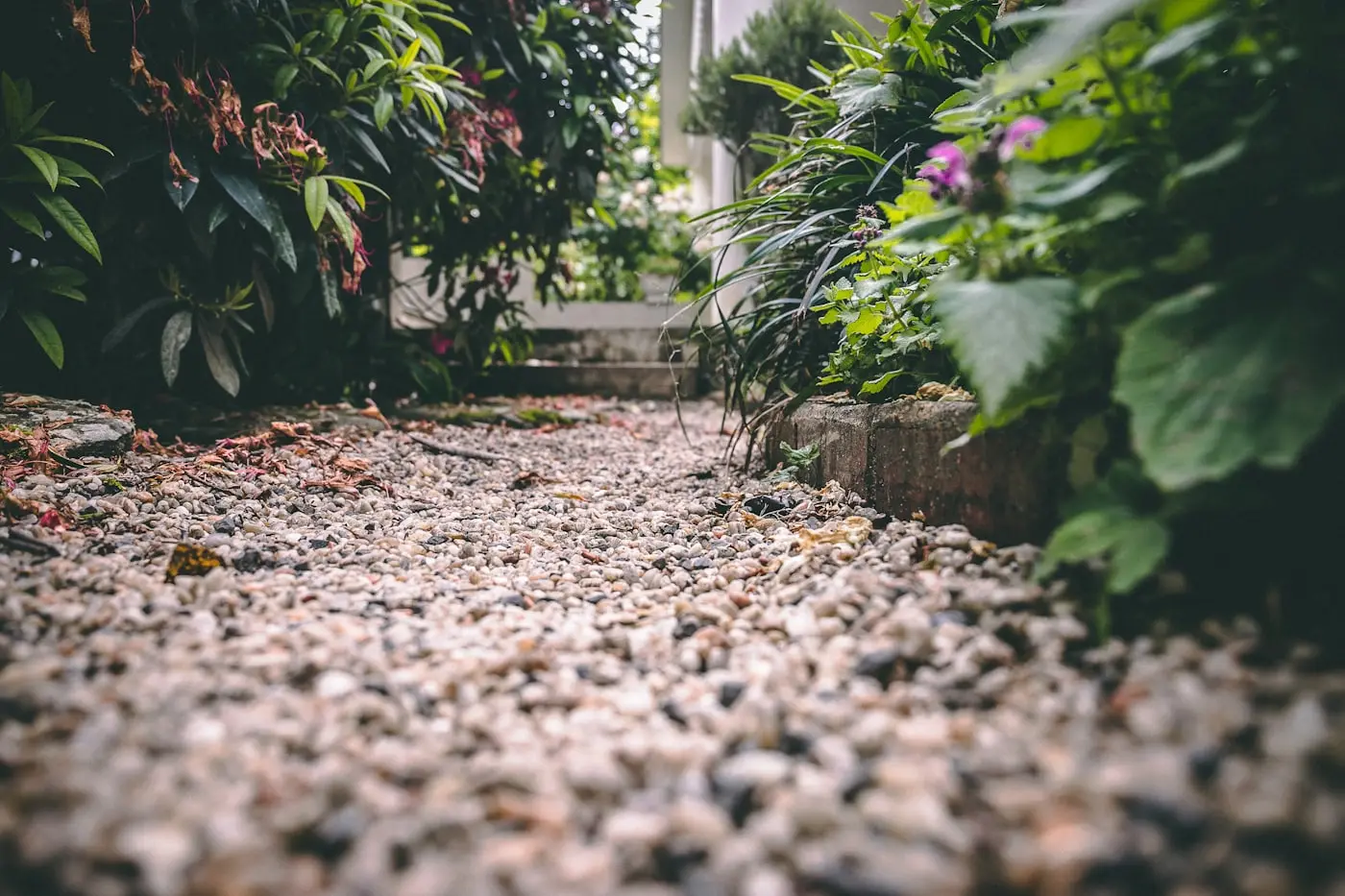
Pressure washing in York: driveways, patios and jet washing
Jet washing and pressure washing are the same job. Different people call it different things; the machine and the result are the same.
Who actually covers York. York jobs go to an operator based in YO30, north-west of the city, who works about ten miles in every direction. That takes in the city centre, Acomb, Rawcliffe, Poppleton, Haxby, Strensall, Huntington, Bishopthorpe, Copmanthorpe and Dunnington. They run their own machine, set their own prices and ring you direct.
That is one operator covering York, not a fleet. If they are booked up, or your postcode sits outside that radius, we will say so and look further afield rather than sit on your enquiry.
Driveway cleaning in York is mostly block paving and concrete. The estates that grew out towards the ring road, Rawcliffe, Huntington, Osbaldwick, Woodthorpe and Clifton Moor, went down as block paving through the 1990s and 2000s, and after twenty-odd damp winters the joints have gone black and the kiln-dried sand has washed out of them. A surface cleaner takes the black off. Re-sanding afterwards is what stops the blocks shifting and slows the weeds coming back. A standard York drive is £120–£200, plus £30–£60 if you want the joints re-sanded.
Patio cleaning in York splits in two. Inside the bar walls and through the older streets around Bishophill, Holgate, Clementhorpe and South Bank, you get small yards, York stone flags and shared snickets and back lanes. Old flags are softer than they look, so the right approach is lower pressure and a wider fan, not a full-power lance held close to the stone. Out on the newer estates it is concrete flags and porcelain, which take full pressure without complaint. A small York yard or patio is £80–£120.
York is low, flat and wet, and it shows on the hard surfaces. The Ouse and the Foss keep the whole city damp, and properties on the low ground at Clementhorpe, Fulford and along the riverside pick up a film of silt on the drive and patio every time the water comes up and drops again. Silt is easier to shift than years of algae, but it wants doing before it dries in and gets walked through the house. North-facing rear yards in the terraces go green faster than anything else in the city, because they barely see direct sun between October and March.
Most York bookings land between March and August, washing off the winter before the garden gets used. If you want it done in spring, ask in February or early March. Ask in July and you are joining the queue behind everyone who had the same thought. For everything else in the city, from mowing to clearance, see gardeners in York.
What does pressure washing cover in Yorkshire?
Pressure washing covers all main exterior hard surfaces, including patios, driveways, decking, fences, garden walls, paths and garden furniture, anything that has gone green, black or grimy from Yorkshire's damp climate.
If it is an exterior hard surface that has gone green, black or grimy, pressure washing is probably the answer. The list of things we clean across Yorkshire includes:
- Patios: natural stone, porcelain, concrete, old and new.
- Driveways: block paving, tarmac, concrete, gravel surrounds.
- Decking: timber boards, composite decking, handrails and steps.
- Fences and timber boundary panels.
- Brick and stone garden walls.
- Paths, steps and side returns.
- Garden furniture: metal, timber and plastic.
- Bin storage areas and outbuilding walls.
Most jobs combine two or three surfaces in one visit: your patio and the path leading to it, or the front drive and the steps up to the door. It makes more sense to book them together than come back separately.
Why do Yorkshire patios and drives get greener faster than other areas?
The Pennines push wet Atlantic air across Yorkshire most of the year, meaning even a south-facing patio will grow a visible green film in a single wet summer without treatment, and north-facing surfaces can go from clean to slimy inside one winter.
Anyone who has lived in Yorkshire for a few years will know the drill. The Pennines push wet Atlantic air across the county for most of the year. Rain, shade and cold north-facing walls add up fast. Even a south-facing patio in Harrogate or Knaresborough will grow a visible green film in a single wet summer if it is not treated. North-facing surfaces can go from clean to slimy inside one winter.
This effect is most pronounced in the upper Calder valley. Halifax and Hebden Bridge are among the dampest urban areas in West Yorkshire, with steep valley sides that keep many rear gardens in near-permanent shade. Patios and paths in these towns green up faster and more heavily than in comparable towns further east, making annual pressure washing effectively standard rather than optional.
The specific problems vary by area. In Helmsley, Kirkbymoorside and the Pickering villages, you tend to get lichen on natural stone: the rural air quality and damp moorside conditions create the right environment for it. Lichen looks like grey or orange patches and takes more than a basic rinse to shift. A proper pressure wash with a surface cleaner attachment and, for stubborn spots, a biocide pre-treatment, is what actually removes it.
In the cities and larger towns, including Leeds, Sheffield and Hull, the pattern tends to be black algae and pollution grime on driveways and flagged paths. Block paving in these areas often goes almost entirely black between the joints, and moss takes hold in the gaps so the blocks start to shift. A thorough pressure wash followed by re-sanding gets the paving back to how it looked when it was laid.
On the coast, covering Scarborough, Filey and Bridlington, salt air accelerates weathering on fences, decking and garden furniture. Timber decking that gets the sea breeze needs cleaning more often than inland, and the wood benefits from an oil or treatment after the wash to stop it drying and splitting.
We pressure wash across York, Malton and Northallerton and all 50 towns in the grid at the bottom of this page. Tell us your postcode and we put your enquiry in front of someone already working your area.
What does a pressure-washed patio actually look like afterwards?
A patio that has spent two years going grey-green comes out looking like it was just laid, and the result is visible the same afternoon the work is done.
Pressure washing is one of the few garden jobs where the result is immediate and impossible to miss. A patio that has spent two years going grey-green will come out looking like it was just laid. Drives that had black lines of grime between every block go back to the original colour. Decking that has turned dark and slippery gets its grip and its look back in the same afternoon.
That is why customers often book a pressure wash before putting their house on the market, or ahead of a family event, or just because it has been nagging at them for a while. It is the kind of job that pays for itself in how the property looks and feels straight away. Neighbours notice. Estate agents notice.
The work usually takes a few hours for a standard domestic property. A patio on its own is a couple of hours. A large drive plus patio can be a full day if there is heavy build-up or the paving needs re-sanding after. Either way, you will see the difference the same day the work is done.
What are typical pressure washing prices in Yorkshire?
Typical prices run from £80-£120 for a small patio up to £200-£300 for a large drive and patio combined, with block paving re-sanding and biocide treatment as affordable add-ons.
Prices vary by surface area, condition, surface type and whether any extras like re-sanding or biocide treatment are included. The ranges below reflect what most customers in Yorkshire actually pay. For a more detailed look at pressure washing costs specifically, see the pressure washing cost Yorkshire guide. For broader gardening service pricing, see the UK gardener cost guide.
| Job | Typical price | Notes |
|---|---|---|
| Small patio (up to ~20 sq m) | £80–£120 | Standard terrace or small detached patio. |
| Medium driveway | £120–£200 | Semi or detached. Block paving, concrete or tarmac. |
| Large drive and patio combo | £200–£300+ | Full property exterior. Size and condition dependent. |
| Decking clean | £80–£200 | Depends on deck size. Oil treatment priced separately. |
| Fence or wall clean | £60–£150 | Boundary panels, brick or stone walls. Often booked alongside patio. |
| Block paving re-sand | £30–£60 | After pressure wash. Stabilises joints, reduces weed re-entry. |
| Biocide pre-treatment | £20–£40 | Applied before wash for heavy lichen or moss. Improves result. |
| Patio seal (after wash) | £50–£120 | Slows algae return by 1-2 seasons. Size dependent. |
How long does pressure washing take in Yorkshire?
A small patio takes 1-2 hours, a medium driveway takes 2-3 hours, and a large drive plus patio is typically a full day, with Yorkshire's damp climate meaning most surfaces carry more build-up than in drier parts of the country.
The full guide
A few honest things worth knowing before you book
Pressure washing does not fix structural problems. If your patio has cracked slabs, sunken sections or areas where the sub-base has failed, cleaning will make it look better but will not fix the underlying issue. Any reputable pressure washer will point this out rather than take your money and leave you with clean but still broken paving. If your patio needs more than a clean, the patio laying cost guide for Yorkshire covers what a full replacement or repair typically costs.
Soft sandstone is worth flagging if you have it. Some older Yorkshire stone patios, particularly the buff and pink sandstone found in period properties around Harrogate and York, can be damaged by too-high pressure. The right approach is a lower pressure setting with a wider fan nozzle. If you are not sure what type of stone you have, mention it in the form and we will ask before the job starts.
Sealing after the wash extends the results noticeably. Most patio sealers slow algae re-establishment by one to two years. It is an optional extra but a good one if your patio is in a shaded spot or gets heavy rain runoff from a roof or overhang. Ask when you book if it is something you want included. Some homeowners also add garden lighting when they are freshening up a patio: low-voltage path lights and uplighting for planting look significantly better against clean stone than they do against a green one.
For garden clearance jobs that need moss and weeds removed from beds and borders at the same time, it is often worth combining both in one visit: the clearance tidies the soft surfaces while the pressure washer handles the hard ones. And if your garden needs a broader garden maintenance plan going forward, we can set that up alongside the pressure wash booking.
What to Expect When You Book Pressure Washing
Here is how the job works from first contact to a clean surface.
- Fill in the estimate form. Include your postcode, what surface(s) need washing, the approximate area (small patio, medium driveway, both), material type, and whether you want extras like re-sanding or sealing. The more specific, the more accurate the quote.
- Free to enquire. A local pressure washer who already covers your area can take your enquiry and call you with a real price. For large or complex jobs they may ask for a photo or a quick site visit to confirm the quote.
- The wash. The operator arrives with their own machine, surface cleaner attachment, and any chemicals needed for pre-treatment. They work systematically across the surface, adjusting pressure for the material type. Yorkshire stone gets lower pressure than concrete block paving. Lichen-affected areas get biocide treatment first if agreed.
- Finishing. Cuttings and debris from the joints are swept or blown clear. If re-sanding was agreed, kiln-dried sand is brushed into the joints and compacted. If sealing was agreed, the surface dries first (usually 24 hours) before the sealer is applied.
- Exclusion period. You are advised to keep foot traffic off the surface for the time specified for any products used. Usually 1-2 hours for drying; longer if a biocide or sealer was applied.
What to tell us when you fill in the form
The more specific you are, the more accurate the estimate. Useful things to include: the rough size of what needs doing (small patio, full driveway, both), what material the surface is (block paving, concrete, natural stone, timber decking), how long it has been since it was last cleaned or whether it has ever been done, and whether you want extras like re-sanding, a biocide treatment or sealing. Your postcode tells us who is already covering your area: that is the most important thing to include.
Frequently asked questions about pressure washing
How much does driveway cleaning cost in York?
A standard York driveway, the block paving or concrete you get on the estates around Rawcliffe, Huntington, Osbaldwick and Woodthorpe, is usually £120–£200. A small yard or patio inside the walls is £80–£120. Drive and patio together comes in at £200–£300+ depending on size and how long it has been left. Re-sanding the block paving joints after the wash adds £30–£60. York prices are the same as the rest of Yorkshire; there is no city premium on this work.
How much does pressure washing cost in Yorkshire?
Pressure washing in Yorkshire typically costs £80–£120 for a small patio (up to 20 sq m), £120–£200 for a medium driveway, and £200–£300+ for a large drive and patio combined. Block paving re-sanding, biocide pre-treatment and sealing add £20–£120 depending on what you need. For a detailed breakdown of pressure washing costs specifically, see the pressure washing cost Yorkshire guide. For broader service pricing, see the gardener cost guide or the garden maintenance cost guide.
What surfaces can be pressure washed?
All the main exterior hard surfaces can be pressure washed: patios (natural stone, porcelain, concrete), driveways (block paving, tarmac, concrete), decking (timber and composite), fences, brick and stone garden walls, paths, steps, side returns, garden furniture and bin storage areas. Most customers book two or three surfaces in a single visit. Combining the drive and patio in one visit usually works out cheaper than two separate trips.
How often should you pressure wash a driveway?
In Yorkshire, driveways typically need pressure washing every one to two years. The county's wet climate and shade from buildings means algae and black grime re-establish faster than in drier parts of the UK. North-facing driveways and those shaded by trees or walls may need annual cleaning. A biocide pre-treatment and a patio seal after the wash can extend the clean to two to three years for most surfaces in good condition.
Is pressure washing safe for all surfaces?
It depends on the surface. Harder materials (porcelain, concrete, most sandstone flags, composite decking) handle pressure washing well at the right settings. Softer or aged stone, particularly the buff and pink sandstone found in period properties around Harrogate and York, which needs lower pressure and a wider fan nozzle to avoid damage. Tarmac needs careful handling as high pressure can dislodge the surface dressing. Always mention your surface material when requesting an estimate so the operator sets the machine correctly.
Do I need to be in when you come?
Not necessarily. Most exterior jobs can be done while you are out, as long as there is access to an outdoor tap and we know any relevant details (gate codes, where the tap is, pots to avoid). Confirm the access arrangement when you book and we will sort the rest.
Do you re-sand block paving after pressure washing?
The pressure wash will remove some kiln-dried sand from the joints. Re-sanding is available as an add-on, typically £30–£60 for a standard driveway and is worth doing if you want the blocks properly stabilised after the clean. Without re-sanding, the joints are a bit more open and weeds tend to find them more quickly. Mention it in the estimate form if you want it included.
What about moss between the slabs?
Moss and black algae in the joints are exactly what pressure washing is designed to clear. For heavy infestations, a biocide pre-treatment applied before the wash kills the root system and improves the result. Without it, the moss tends to come back faster because the root material is still in the joint even after the surface is clean. Ask about pre-treatment when you fill in the form if your slabs are particularly mossy.
How long does pressure washing take?
A small patio (up to 20 sq m) takes 1-2 hours. A medium driveway takes 2-3 hours. A large drive and patio combined is typically a full day's work. Heavy algae build-up, block paving that needs re-sanding, or surfaces needing sealing all add time. Yorkshire's damp climate means most surfaces carry more build-up than equivalent surfaces in drier parts of the country, so allow for that when planning the day.
What time of year is best for pressure washing in Yorkshire?
Spring (March-May) is the most popular window: washing off the winter algae and moss build-up before the outdoor season starts. Autumn is also sensible if you want a clean surface going into winter. Avoid pressure washing when temperatures are below 5 degrees as wet paving can refreeze. In Yorkshire the damp climate means algae regrows faster than in drier regions, so annual or biennial washing is normal.
How much does pressure washing cost per square metre in Yorkshire?
Typically £4–£8 per sq m for a standard patio or driveway in Yorkshire, based on the price ranges of £80–£200 for a 20-40 sq m surface. Larger areas cost less per sq m because setup and travel are spread across more surface. Surfaces with heavy lichen, awkward access or soft stone cost more per sq m than straightforward flat paving.
Do I need to prepare before pressure washing?
Move pots, furniture and anything sitting on the surface. Make sure there is an outdoor tap within reach, and check access to power if needed. Close windows and doors facing the surface being washed. Let the operator know if there are drains nearby. Clear access to the garden gate and any side passage the operator will need to use. If you want to know how we find a local gardener for your postcode, the guide to pressure washing near me in Yorkshire explains the process and what questions to ask before booking.
Do you pressure wash drives as well as patios?
Yes. We clean all the main exterior hard surfaces: patios, driveways, block paving, concrete, natural stone, paths, steps, fences and decking. Most customers in Yorkshire book a patio and drive at the same time since the results are more dramatic when everything is done together and it is usually more cost-effective than separate visits.
How long does the result last after a pressure wash?
On a well-maintained patio, a thorough pressure wash typically stays looking good for one to two years before algae and moss start to return noticeably. In Yorkshire, the Pennine weather and north-facing aspects tend to accelerate regrowth, especially in shaded spots. Sealing the patio after the wash extends the clean significantly: most sealers slow algae re-establishment for two to four seasons. Annual or biennial pressure washing is common for patios that get a lot of shade or rain runoff.
Can pressure washing remove oil stains from a driveway in Yorkshire?
Pressure washing alone often cannot fully remove deep oil stains from a concrete or block paving driveway. A degreaser or specialist oil stain remover applied before the wash significantly improves the result. For old, set-in stains, a combined pre-treatment and pressure wash is more effective than either approach alone. Mention oil staining when you fill in the estimate form so the operator brings the right products.
Is pressure washing safe for composite decking?
Yes, composite decking can be pressure washed, but at a lower pressure and with a wider fan nozzle than you would use on concrete. Most composite decking manufacturers specify a maximum pressure of around 1,500 PSI and a minimum nozzle distance of 30cm. Using too high a pressure or holding the nozzle too close can raise or fray the surface fibres. A good pressure washer will adjust settings for the decking material rather than using a single pressure on everything.
Do I need to seal my patio after pressure washing in Yorkshire?
Sealing is optional but recommended for patios in shaded spots or those that get heavy rain runoff. Most patio sealers slow algae re-establishment by one to two seasons, extending the clean noticeably. In Yorkshire's damp climate, a sealed patio in a north-facing or tree-shaded garden can stay cleaner for two to three years where an unsealed equivalent might need annual washing. Ask about sealing as an add-on when you book.
How do I know if my patio needs pressure washing or replacing?
If the patio is discoloured, green or stained but structurally sound with no cracked, sunken or rocking slabs, pressure washing is the right solution. If slabs are cracked, sunken, rocking underfoot or showing surface spalling (flaking), the underlying sub-base or the slabs themselves need attention, and cleaning alone will not fix it. A reputable pressure washer will tell you if the patio needs more than a clean rather than take your money for a job that will not solve the problem.
Further reading
Ready to get your drive or patio cleaned?
Tick which surfaces need washing, give us your postcode, and a local person can take your enquiry and call you with a real price.
Get a pressure washing estimateBeyond York.
York is where we have a dedicated operator. Past that, we match to whoever is nearest and closest to free across 240+ Yorkshire towns. Open the list if you want to check your own.
Every Yorkshire town we cover
- Ackworth
- Acomb
- Addingham
- Adwick-le-Street
- Armthorpe
- Baildon
- Barlby
- Barnsley
- Batley
- Bawtry
- Bedale
- Beverley
- Bingley
- Birstall
- Bishopthorpe
- Bolton-upon-Dearne
- Boroughbridge
- Boston Spa
- Bradford
- Bridlington
- Brighouse
- Brough
- Burley-in-Wharfedale
- Castleford
- Catterick Garrison
- Cleckheaton
- Conisbrough
- Copmanthorpe
- Cottingham
- Crofton
- Cudworth
- Darton
- Denby Dale
- Dewsbury
- Doncaster
- Driffield
- Dunnington
- Easingwold
- Elland
- Emley
- Farsley
- Featherstone
- Filey
- Flockton
- Garforth
- Golcar
- Goldthorpe
- Goole
- Grassington
- Greetland
- Guisborough
- Guiseley
- Halifax
- Harrogate
- Hawes
- Haworth
- Haxby
- Hebden
- Hebden Bridge
- Heckmondwike
- Hedon
- Helmsley
- Hemsworth
- Hessle
- Holmfirth
- Honley
- Horbury
- Hornsea
- Horsforth
- Howden
- Hoyland
- Huddersfield
- Hull
- Huntington
- Ilkley
- Keighley
- Kippax
- Kirkburton
- Kirkbymoorside
- Knaresborough
- Knottingley
- Leeds
- Leyburn
- Linthwaite
- Liversedge
- Loftus
- Long Preston
- Maltby
- Malton
- Market Weighton
- Marsden
- Masham
- Meltham
- Mexborough
- Middleham
- Mirfield
- Morley
- Mytholmroyd
- Normanton
- North Cave
- Northallerton
- Norton
- Ossett
- Otley
- Pateley Bridge
- Penistone
- Pickering
- Pocklington
- Pontefract
- Poppleton
- Pudsey
- Queensbury
- Rawcliffe
- Rawmarsh
- Reeth
- Richmond
- Ripon
- Rotherham
- Rothwell
- Royston
- Saltburn-by-the-Sea
- Scarborough
- Selby
- Settle
- Sheffield
- Sherburn-in-Elmet
- Shipley
- Silsden
- Skelmanthorpe
- Skipton
- Slaithwaite
- South Elmsall
- Sowerby Bridge
- Spofforth
- Sprotbrough
- Stamford Bridge
- Stocksbridge
- Stockton-on-the-Forest
- Stokesley
- Strensall
- Swanland
- Swinton
- Tadcaster
- Thirsk
- Thorne
- Thornton
- Thurnscoe
- Tickhill
- Todmorden
- Upton
- Wakefield
- Wath-upon-Dearne
- Wetherby
- Whitby
- Willerby
- Withernsea
- Wombwell
- Yeadon
- York