Garden design
Garden design and makeovers across Yorkshire.
Most homeowners want a well-planted, practical outdoor space that works for their plot and their life — not a lengthy process with architects and waiting lists. We connect you with local designers and skilled gardeners who take your garden from concept to established planting, and quote you directly. Design services start from £500.
- Free quotes, no obligation
- Local gardeners
- 240+ Yorkshire towns covered
- No call centres
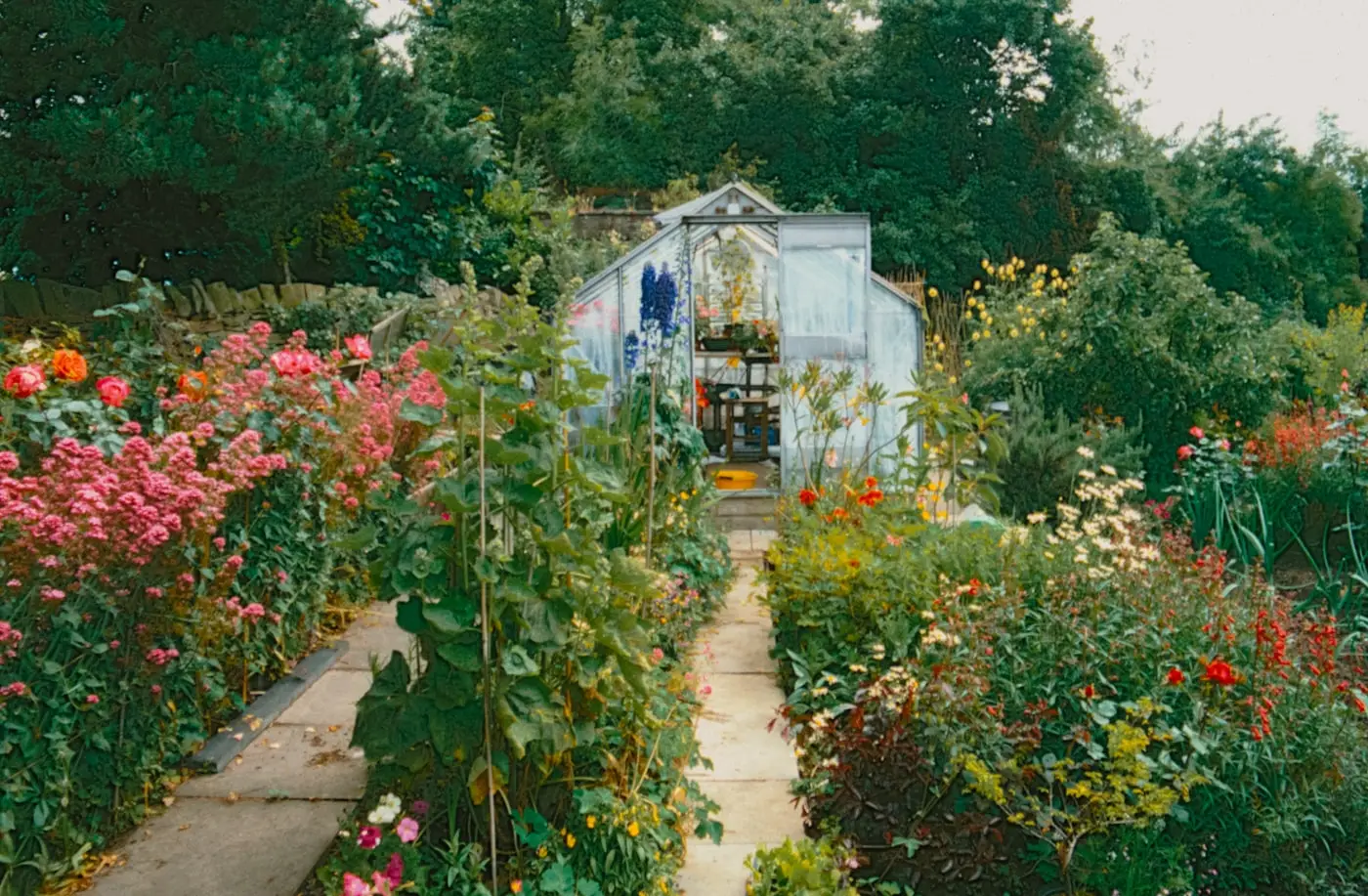
What garden design includes
Garden design is the process of planning how a garden should look, function and feel before a single plant goes in the ground. Done properly, it saves money: the right plants in the right positions establish faster, need less maintenance, and last longer than an impulsive trip to a garden centre.
A full garden design service covers everything from the initial conversation about how you use the space through to overseeing the installation. In practice, many Yorkshire homeowners commission different levels of service depending on their budget and the complexity of their project.
Typical scope of a garden design service
- Initial consultation: discussion of your brief, how you use the garden, your maintenance appetite and your budget.
- Site visit: assessment of soil type, drainage, sun and shade patterns, existing plants worth keeping and structural issues.
- Planting plan: a scaled drawing or detailed written scheme specifying plants, quantities, spacings and seasonal interest.
- Hard landscaping advice: patio layout, path lines, raised beds, boundary treatment. Designers coordinate with landscapers for construction work.
- Project management: overseeing contractors, sequencing work correctly, and being on site during installation.
- Planting and establishment: sourcing plants at trade prices, directing the planting, and advising on aftercare.
Not every project needs all of these. A planting plan only service costs considerably less than full design with project management. We put your enquiry in front of the right level for your garden and your budget.
Gardener or garden designer: what is the difference?
A gardener maintains and cares for existing gardens. A garden designer plans and creates them. In practice, the line blurs: many highly experienced gardeners can produce a practical, attractive planting scheme for a domestic garden, and many designers also carry out the planting themselves.
You generally need a dedicated garden designer when the project involves formal geometry, significant levels changes, complex planting across a large area, or coordination with architects and builders. For a typical Yorkshire back garden, a good gardener with strong planting knowledge is often sufficient and considerably more cost-effective.
If you are unsure, describe your project when you submit an estimate request and we will steer you toward the right type of person. For more detail on the differences and when to use which, see our guide to designers, landscapers and gardeners. Once the design is delivered, regular garden maintenance can keep it looking its best through every season.
Types of garden design project
Yorkshire gardens come in a wide range of shapes, sizes and states of neglect. These are the most common project types we see.
Full garden makeover
Starting from a neglected, blank or poorly laid-out garden and producing something that works from scratch. This includes clearance, any structural work (raised beds, paths, walls), soil improvement, and a full planting scheme. This is the most involved project type and the one that benefits most from a dedicated designer managing the process. For a full picture of what to budget, see our garden makeover cost guide.
Planting plan only
You have the structure, you just need someone to tell you what to plant and where. A planting plan service produces a scheme tailored to your soil, aspect and aesthetic preferences. You can then implement it yourself, or commission a gardener to plant it up. This is the most accessible entry point into garden design and suits confident gardeners who want a professional eye on the plan.
Hard landscaping with planting
New patio, new paths, raised beds, then planted up to complete the space. This type of project requires coordination between a landscaper for the construction phase and a designer or gardener for the planting scheme. We can connect you with both.
Low-maintenance redesign
Particularly common in Yorkshire among households where the previous garden was high-maintenance and the new owners want something that looks good without weekly intervention. This typically involves removing high-maintenance planting, improving ground preparation, choosing robust long-season perennials and grasses, and adding mulch-suppressed borders that need little ongoing attention.
Kitchen garden and raised-bed setup
Growing your own is a popular brief, especially for families who have moved to properties with more outdoor space. A kitchen garden design covers raised bed layout and construction, soil preparation, and a planting plan for vegetables, herbs and soft fruit. For detailed guidance on what a raised bed vegetable garden involves - from bed dimensions to soil mix - the Yorkshire guide covers everything before a designer visits. A typical 2-3 bed installation runs £400-900 for materials and labour.
Ready to sort your garden?
Use the short estimate form. A local designer or experienced gardener contacts you with a real figure before any visit. Design work from £500, full builds from £5,000.
Get a free design estimateGarden design price guide for Yorkshire
All prices below are estimates based on the range we typically see across Yorkshire. Every designer and gardener sets their own rates and quotes directly. Use these figures for budgeting, not as fixed prices. For more detail on what typical gardening work costs across the county, see our Yorkshire gardening price guide.
| Service | Typical range | What drives the price |
|---|---|---|
| Initial consultation | Free to £75-150 | Many designers offer a free initial call or visit before charging. Paid consultations include a written brief and outline options. |
| Planting plan only | £300-800 | Design-only; you implement it or hire someone separately. Higher for large or complex plots. Designer day rates £200-400 typical. |
| Planting plan plus implementation | £600-1,500 | Plan plus the gardener's time to plant it up, not including plants. Gardener day rate £175-300. |
| Full design and project management | £800-3,000+ | Brief through to installed, established garden. Designer fee typically 10-15% of total build cost for project management. |
| Border replant (up to 10 sqm) | £150-400 | Clearance, soil prep, plants and planting labour. Plant sourcing approach (trade vs retail) affects cost significantly. |
| Kitchen garden / raised-bed setup | £400-900 | 2-3 beds, topsoil and compost, initial planting. Sleeper vs metal bed choice is the main cost variable. |
| Full garden makeover (50-100 sqm) | £5,000-15,000+ | Clearance, design, hard landscaping, planting across the whole garden. Hard landscaping is 50-70% of total; remainder is planting and labour. |
| Low-maintenance redesign | £800-2,500 | Replanting with robust perennials and grasses, mulched borders. Lower cost because no structural work. |
| Hard landscaping (patio, wall, fencing) | £2,000-12,000 typical mid-size | Quoted separately. Material choice (stone vs concrete, composite vs softwood) and site access are the main drivers. Machine access vs barrow-only can double labour costs. |
Hard landscaping (patios, paths, walls, fencing) is always quoted and invoiced separately. Plants are either supplied by the designer at trade prices with a markup, or purchased by you against a plant list. Both arrangements are common and will be agreed upfront in your quote.
The full guide
Garden design styles: which suits your plot?
There is no universal garden. What works in a stone-walled Dales cottage garden looks wrong in a Harrogate contemporary plot. Below are the most common Yorkshire design styles and who they suit.
Cottage and country style
Informal, abundant planting with old-fashioned perennials and shrubs. Think delphiniums, lupins, peonies, roses, lavender, catmint. Borders overflow, paths are narrow, and everything feels established even when new. This style works beautifully with Yorkshire stone houses in the Dales and Wolds villages — Helmsley, Pickering, Skipton, Settle. It suits plots with existing stone walls and a traditional aesthetic. Typical cost for a full cottage garden replant (50-70 sqm) runs £2,500-6,000 including planting and labour. Plant palette: Hardy geraniums, alchemilla, nepeta (catmint), roses (David Austin varieties popular), salvia, verbena bonariensis, delphiniums in blues and purples. Soil preference: adaptable but best in free-draining alkaline soils. Maintenance: moderate to high depending on how tightly you edit. A true cottage garden allows self-seeding and some wildness; a controlled cottage style needs deadheading and annual division.
Contemporary minimalist
Clean lines, structural planting, hard surfaces dominate. Grasses, clipped box, single-variety blocks rather than mixed borders. Often includes porcelain paving, rendered walls, timber screens. Suits modern builds in Leeds, Sheffield, York suburbs and Harrogate new estates. Budget runs higher because hard landscaping is 60-70% of the spend: £8,000-20,000 typical for a medium plot (70-100 sqm). Plant palette: Miscanthus, stipa, calamagrostis (ornamental grasses), clipped box balls or cubes, phormium, single-variety perennial blocks (Salvia nemorosa, Echinacea purpurea). Minimal colour variation, maximum structure. Maintenance: lower than cottage style but requires annual grass cutback and occasional box trimming. Structural plants need less intervention than abundant cottage mixes.
Low-maintenance perennial and grass
Long-season robust perennials and grasses that look good from May through October with minimal deadheading. Mulched borders suppress weeds. No annuals, no staking, no intensive care. This is the most popular brief for spa-town downsizers in Harrogate, Ilkley, Wetherby and retirees who want beauty without weekly commitment. Typical redesign runs £1,200-3,500 depending on plot size. Plant palette: Sedum, rudbeckia, echinacea, geranium, persicaria, astilbe for moisture, grasses (calamagrostis, miscanthus, molinia). All tough, long-flowering or structural into winter. Soil: adaptable but plant choice shifts by drainage. Maintenance: two cuts per year (spring cutback, autumn tidy) plus occasional weeding. Annual mulch in March keeps weeds down.
Family garden: practical and resilient
Hardwearing lawn (perennial ryegrass mix), tough borders at edges, maybe raised beds for vegetables. Planting stays clear of play zones. This is the standard brief for young families in Barnsley, Wakefield, Doncaster new estates and across suburban Yorkshire. Budget £3,000-8,000 for turf, borders and basic hard landscaping (path, small patio). Plant palette: shrubs that handle footballs (berberis, cotoneaster, spiraea), tough perennials at borders (hardy geraniums, alchemilla), fruit in cages if space allows. Lawn quality matters more than borders. Maintenance: weekly mowing in season, annual border tidy, occasional shrub prune. Prioritise resilience over fussy detail.
Wildlife and naturalistic
Native-heavy planting, nectar-rich flowers, log piles, ponds, tolerance for self-seeding and wildness. Suits rural plots and households who want a garden that supports bees, birds and hedgehogs rather than looking pristine. Common in Dales-fringe rural properties around Skipton and the Vale of York countryside. Budget similar to cottage style but less formal control: £2,000-5,000 typical for planting-focused redesign. Plant palette: Native wildflowers (ox-eye daisy, knapweed, field scabious), berrying shrubs (hawthorn, elder, rowan), wildflower meadow areas, sedges and native grasses for damp zones. Soil: adaptable; wetter soils suit more diverse native mixes. Maintenance: lower than formal gardens but requires a tolerance for messiness. Annual cutback of meadow areas in late summer.
Kitchen garden and edibles
Raised beds, fruit cages, herb spirals, composting area. Design focuses on production over ornament but good kitchen gardens integrate flowers for pollinators and aesthetics. Popular with families and retirees across Yorkshire, particularly those with space. A full kitchen garden setup (4-6 raised beds, soft fruit, composting area, paths) runs £1,500-4,000 depending on materials (sleepers vs metal beds, gravel vs brick paths). Plant palette: Vegetables rotated seasonally, perennial herbs (rosemary, thyme, sage), soft fruit (raspberries, blackcurrants, gooseberries, strawberries). Edible flowers (calendula, nasturtium) for colour and pest confusion. Maintenance: high in growing season (weekly attention to weeding, harvesting, succession planting) but rewarding for households who cook. Beds need annual compost addition.
Hardscape vs softscape: where your budget goes
Garden design spending splits into hardscape (built structures) and softscape (plants, turf, soil). Understanding this split helps you phase a project sensibly if budget is tight.
Hardscape covers patios, paths, walls, fences, raised beds, pergolas, steps, driveways, decking. This is where 50-70% of a full makeover budget typically lands. Hardscape costs are driven by materials (stone vs concrete, timber vs composite), site access (can a machine get in or is it barrow-only?), and levels (a flat site costs less than one needing retaining walls). A 20 sqm patio in yorkstone costs £4,000-7,000 installed; the same area in Indian sandstone runs £2,500-4,500. Concrete-cast paving drops that to £1,500-2,500. Raised beds in railway sleepers cost £150-400 per bed depending on size. Timber fencing (1.8m featheredge) runs £60-100 per metre supplied and fitted.
Softscape is the planting, lawn, mulch and soil conditioning. Plant costs vary enormously by sourcing method: a designer buying at trade from a wholesale nursery gets perennials at £3-7 each; the same plant retail is £8-15. A medium border (15 sqm) planted with 60-80 perennials, groundcover and a couple of shrubs costs £600-1,200 in plants plus £300-600 labour for soil prep and planting. Turf runs £3-5 per sqm supplied, £8-14 per sqm supplied and laid including ground prep.
If your budget is constrained, phase the project: hardscape first (it sets the structure and takes longer lead times), planting second. You can live with a patio and empty borders for six months; you cannot easily rip up planting to install a path later. For more on typical project costs, see our breakdown of what garden designers charge in Yorkshire.
Materials guide: what gets used in Yorkshire gardens
Material choices shape both the look and the budget. Below are the most common options and what they cost.
Yorkshire stone paving (sandstone and gritstone)
The traditional choice for period properties in the Dales, Wolds and North Yorkshire villages. York stone (buff-coloured Pennine sandstone) runs £50-90 per sqm for reclaimed; new sandstone from India (similar look, lighter weight) is £35-60 per sqm. Gritstone (darker, coarser) is rarer and more expensive. Installation adds £60-100 per sqm depending on site access. Total installed cost: £95-190 per sqm. Best for: period stone houses, traditional cottage gardens, anywhere the house is built in stone and you want the garden to match.
Porcelain paving
Contemporary option, very low maintenance, does not stain or need sealing. Popular in modern builds. Costs £40-80 per sqm for tiles, £60-100 per sqm installation. Total: £100-180 per sqm. Comes in large-format tiles (900x600mm typical), wood-effect and stone-effect finishes. Best for: contemporary gardens, low-maintenance plots, anywhere you want a clean minimal look.
Concrete cast paving (budget option)
Pressed concrete slabs in various finishes. Costs £15-30 per sqm for slabs, £50-80 per sqm installation. Total: £65-110 per sqm. Perfectly functional and improves significantly with weathering. Best for: budget-conscious builds, family gardens where priority is function over aesthetics, paths and utility areas.
Gravel (paths and drives)
Self-binding gravel or loose aggregate over a compacted base. Costs £30-60 per sqm installed depending on depth and edging. Needs topping up every few years and does not suit steep sites. Best for: drives, informal paths, cottage garden aesthetics. Golden gravel suits Yorkshire stone houses better than white.
Decking: composite vs softwood
Composite (plastic-wood mix) costs £80-140 per sqm installed, lasts 25+ years, needs no treatment. Softwood (pressure-treated pine) costs £50-90 per sqm installed, lasts 10-15 years with annual treatment. Yorkshire weather (wet winters, occasional harsh frost) suits composite better for longevity but softwood is half the price if you are prepared to maintain it. Best for: raised decks, sloping sites, contemporary garden rooms.
Railway sleepers (raised beds and retaining)
New softwood sleepers cost £25-40 each (2.4m length). Reclaimed oak sleepers are £60-100 each but last longer. A typical raised bed (1.2m x 2.4m, two sleepers high) uses 6 sleepers plus posts and costs £200-350 materials, £100-200 labour. Best for: raised vegetable beds, informal retaining on sloping sites, rustic cottage aesthetics.
Drystone walling
Traditional boundary and retaining option for Dales and Wolds properties. Costs £150-300 per metre depending on height and stone availability. Labour-intensive; not many people still build it well. Best for: rural plots, traditional stone houses, anywhere existing drystone walls set the character. Modern blockwork rendered is cheaper (£100-180 per metre) but looks wrong next to a stone farmhouse.
Yorkshire-specific garden challenges and solutions
Yorkshire's variety — geography, soil, climate — means a one-size approach fails. Below are the specific challenges for different parts of the county and what works.
Stone-house gardens: Dales and Wolds villages
Properties in Helmsley, Pickering, Skipton, Settle, and across the Wolds typically have formal stone-walled plots, often with existing mature hedging or topiary. The challenge is designing planting that complements rather than competes with the architecture. Structural planting — yew, beech or hornbeam hedging, clipped box — works better here than loose cottage abundance. Paths and patios should match the stone of the house; using Indian sandstone next to a gritstone farmhouse looks wrong. Typical project cost for a heritage-sensitive redesign: £5,000-12,000 including stonework repairs, formal hedging and structured perennial planting.
Sloping plots: Pennine fringe and Ripon north
Halifax, Hebden Bridge, Holmfirth, Sowerby Bridge, and parts of Otley and Ripon sit on slopes that need terracing or retaining walls before planting can succeed. The steeper the site, the more of your budget goes on structure. Retaining walls in blockwork cost £120-200 per metre; Yorkshire stone or sleeper retaining runs £180-350 per metre depending on height. Terracing a 40 sqm sloping plot into three usable levels typically costs £6,000-12,000 before planting starts. Drainage is critical: water running downhill through planted borders washes soil and mulch away. French drains, land drains or soakaways may be needed (£500-1,500 depending on length). For more on managing sloping plots, see our guide to sloping gardens in Yorkshire.
Coastal exposed plots: Scarborough, Whitby, Bridlington, Filey, Hornsea
Salt exposure and wind are the defining constraints. Most traditional perennials fail in coastal Yorkshire gardens. The palette narrows to salt-tolerant species: sea holly (Eryngium maritimum), thrift (Armeria maritima), tamarisk, Rosa rugosa, valerian, sea buckthorn, escallonia, salt-tolerant grasses (Festuca, Leymus). Wind shelter is essential: solid fences and walls create turbulence; permeable hedging (Rosa rugosa, escallonia, griselinia in milder spots) filters wind better. Typical coastal redesign: £3,000-7,000 for shelter planting, soil conditioning (coastal sand drains fast, needs organic matter), and salt-tolerant perennials.
Dales rural plots: Skipton, Bedale, Wensleydale fringes
Large-scale plots attached to farmhouses and country properties. The design challenge is scale and view-framing rather than intimate detail. Planting needs to handle exposure, occasional livestock interaction (sheep, cattle may browse boundary planting), and a short growing season at elevation. Structural trees and shelter belts are often the first priority. Typical rural plot redesign (200+ sqm): £8,000-20,000 depending on hard landscaping scope. Plant palette: native hedging (hawthorn, blackthorn, hazel), tough shrubs (berberis, pyracantha), grasses and perennials that handle exposure.
Vale of York heavy clay: York, Selby, Northallerton
Heavy, moisture-retentive clay that sits wet in winter and cracks in summer. Drainage is the first intervention: without it, many plants rot over winter. Land drains, french drains or raised beds solve the problem (£800-2,500 for a typical suburban plot). Plant palette shifts to moisture-tolerant species: astilbes, hostas, persicaria, ligularia, moisture-loving grasses (Deschampsia, Molinia), shrub roses. Spring scarification and autumn aeration are maintenance essentials for clay-based lawns. Cost for clay-garden redesign with drainage and moisture-planting: £3,500-8,000.
Wolds chalk gardens: Pocklington, Driffield, Market Weighton
Free-draining alkaline soils that warm early in spring. Drought-tolerant Mediterranean palette thrives here: lavender, rosemary, cistus, salvia, sedum, hardy geraniums, ornamental grasses, catmint. Acid-lovers (rhododendrons, azaleas, camellias) fail completely. The soil dries out fast in summer so irrigation or mulching is needed for newly planted borders. Typical Wolds redesign: £2,000-5,000 for drought-tolerant replanting and mulched borders. Lower cost than clay-garden projects because no drainage infrastructure needed.
West Riding mill-town terrace: Halifax, Huddersfield, Hebden Bridge, Sowerby Bridge
Steep, narrow rear plots often only 3-5m wide. Traditional lawn-and-border layouts do not work; courtyard solutions do. Hard surfaces (paving, gravel) with planting gaps, vertical planting on walls and fences, raised beds for height variation. Typical terrace plot redesign: £2,500-6,000 for paving, raised beds and vertical planting structures. Plant palette: shade-tolerant if north-facing (ferns, hostas, pulmonaria), climbers for walls (roses, clematis, honeysuckle), compact shrubs (sarcococca, skimmia).
Coal Measures clay: Barnsley, Wakefield, Castleford, Pontefract
Heavy compacting clay similar to Vale of York but often more compacted from industrial history and housing density. North-facing lawns get persistent moss problems. The fix is scarification in spring, aeration in autumn, and improving drainage. Lawn renovation (scarify, overseed, feed) costs £150-400 for a typical back garden; if drainage is genuinely poor, land drains add £800-2,000. Borders suit the same moisture-tolerant palette as Vale of York clay. Redesign cost: £2,500-6,000 depending on drainage needs.
When to hire a designer, an experienced gardener, or DIY
Not every project needs a designer. Below is an honest decision guide.
| Your project | Best choice | Why |
|---|---|---|
| Replanting an existing border, no structural changes | Experienced gardener or DIY | Straightforward planting does not need design fees. A gardener with good plant knowledge is enough. |
| New patio and planting to go with it | Landscaper for patio, gardener or designer for planting | Coordinate both but you do not need a designer managing a simple patio build unless levels are complex. |
| Full garden makeover (clearance, structure, planting) | Designer or experienced gardener with design capability | Needs someone to see the whole picture and phase the work sensibly. Justify the design fee by the project scale. |
| Sloping garden needing terracing | Designer with landscaping coordination experience | Structural work at height needs proper design and engineering. Not a DIY project. |
| Large rural plot (200+ sqm) | Designer | Scale and coherence across a large area justify the fee. A piecemeal approach ends up costing more in replanting. |
| Formal garden with clipped hedging, symmetry, period restoration | Designer | Geometry and heritage-sensitive work need a trained eye. Experienced gardeners handle maintenance but initial design is specialist work. |
| Kitchen garden setup (raised beds, veg planting plan) | Experienced gardener or DIY | Straightforward unless the plot is large or needs integration with ornamental areas. |
| Low-maintenance replant (robust perennials, grasses) | Experienced gardener | Does not need design fees. A gardener who knows which plants handle neglect is sufficient. |
| Contemporary minimal garden (hard landscaping dominant) | Designer | Proportions and material choices matter more than plant variety. Designer fee justified by build cost. |
If you are unsure, describe your project in the estimate form and we will steer you toward the right person. For a deeper look at roles and costs, read our comparison of landscapers vs gardeners.
Garden design across Yorkshire: where your plot fits
Yorkshire is a big county with enormous variety in garden size, soil type, and what homeowners expect from their outdoor space.
Terraced properties in Halifax, Hebden Bridge and the West Riding mill towns often have small courtyard gardens or steep rear plots that need clever, compact solutions. These gardens reward vertical planting, raised beds and hard surfaces with planting gaps rather than traditional lawn-and-border layouts. A designer who understands small, difficult urban plots will serve these clients far better than one used to working on open rural gardens. Bradford and Huddersfield gardens often fall into this category: tight terraced plots where every square metre counts.
Suburban properties in Harrogate and its surrounding villages — Pannal, Burn Bridge, Killinghall — typically have medium-sized plots with existing structure that needs refreshing rather than wholesale removal. Many of these gardens have mature trees and hedging that should be worked around rather than cleared. The brief here is usually about improving planting, adding seasonal interest, and bringing some coherence to a garden that has grown without a plan. Ilkley and Wetherby gardens follow a similar pattern: established spa-town and Boston Spa-area plots where the expectation is premium planting and clear seasonal structure.
The Ripon area produces a steady volume of full redesign requests. Cathedral-close properties and older detached homes in the surrounding villages often carry walled gardens, substantial borders and established trees — the kind of garden that rewards proper design attention rather than a quick replant. Garden makeover work here tends toward restoration rather than creation from scratch.
Boroughbridge and the villages either side of the A1 corridor bring formal walled gardens and properties with traditional topiary or box hedging that needs a designer who can work within an existing framework. Otley and the lower Wharfedale commuter belt produce a high volume of first-garden redesign requests: families who have moved from Leeds and want the garden sorted before the next growing season.
New-build estates around Barnsley, Darton and Cudworth regularly produce first-garden design requests — turf, raised beds and structural planting for a blank canvas that the developer left as compacted topsoil. Selby and the lower Ouse corridor have similar patterns: post-2000 housing where gardens are starting from nothing.
Bishopthorpe and the York southern suburbs carry substantial gardens attached to larger detached properties. These plots are big enough for a proper planting scheme — multiple borders, a kitchen garden corner, mature tree specimens — and the brief often involves integrating a new design with an existing garden character that has taken decades to build.
North Yorkshire rural plots are a different proposition again: large gardens attached to farmhouses and country properties around Skipton, the Dales fringe and the Vale of Mowbray where scale is significant, views are part of the design, and planting choices need to suit exposed or elevated sites.
East Yorkshire coastal and Wolds gardens deal with their own conditions: salt exposure on the coast around Scarborough, Whitby and Bridlington, free-draining chalk soils on the Wolds, and in both cases a wind exposure that rules out many plants that would thrive in sheltered city gardens. For more inspiration suited to Yorkshire conditions, browse our collection of Yorkshire garden design ideas.
What to expect from the design process
Most garden design projects follow a broadly similar sequence, though the detail varies by designer and project complexity.
- Brief: you describe what you want — the look, the function, the maintenance level, the budget. A good designer listens before they suggest anything.
- Site visit: the designer visits to assess soil, drainage, light, existing plants, site levels and any structural constraints. This is also where measurements are taken if a scaled plan is being produced.
- Proposal: the designer comes back with a scheme. For a planting plan this is typically a scaled drawing with a plant list. For a full redesign it may include layout options, mood references and a phased implementation plan.
- Phasing: most gardens are not designed and planted in a single visit. A sensible designer will phase the work to match the seasons, the budget, and the lead times for plants and contractors. Knowing what happens in year one versus year two is part of the value of proper design.
- Installation and establishment: planting goes in, followed by a period of establishment during which the designer or gardener checks in to ensure plants are settling well and to deal with any failures or gaps.
Yorkshire seasonal timing: when to start
If you want plants in by April, start the brief and planning work in November. Contractor lead times for landscaping work can be 4-8 weeks in peak season (March-May). Yorkshire winters can be harsh at elevation: frost risk extends into late April above 200m (Pennine fringe, higher Dales). Lowland areas (York, Selby, Hull, Doncaster) typically see last frosts in mid-March. Autumn planting (September-November) allows roots to establish before winter; spring planting (March-May) gives a full growing season ahead. Starting the design conversation in January or February positions you to plant in the optimal spring window rather than scrambling in June when half the season is gone. For a full breakdown of project timelines, see our guide to garden design timelines in Yorkshire.
Trust signals: what to look for in a garden designer
Garden design is largely unregulated. Anyone can call themselves a designer. Below are the qualifications, memberships and evidence that separate experienced professionals from chancers.
Qualifications worth checking
RHS Level 2 Certificate in Horticulture is the baseline for plant knowledge. RHS Level 3 Diploma or a degree in horticulture or garden design indicates more depth. Society of Garden Designers (SGD) membership requires a portfolio review and practicing designer status. Not everyone qualified is good, and not everyone good is qualified, but qualifications give you a baseline to assess against.
Public liability insurance
Any designer or gardener working on your property should carry public liability insurance, typically £2-6 million cover. This protects you if they damage your property or a third party is injured. Ask to see the certificate before work starts. No insurance is a red flag.
Trade association membership
BALI (British Association of Landscape Industries) and APL (Association of Professional Landscapers) memberships indicate the designer or landscaper meets industry standards and subscribes to a code of conduct. Membership does not guarantee quality but gives you a complaints route if things go wrong.
Portfolios and before-and-after evidence
A designer should be able to show you completed projects similar in scale and style to yours. Beware of portfolios that look too perfect or use obviously AI-generated imagery. Real projects have real constraints; fake portfolios do not. Ask for references from previous clients and follow them up.
What to be wary of
Designers who cannot explain their plant choices for your specific soil. Quotes that do not break down labour, materials and plants separately. Pressure to commit before you have had time to compare quotes. Anyone claiming work that was not theirs. Portfolios showing only AI-generated or stock images rather than real builds.
Yorkshire soils and planting: what your garden is working with
Yorkshire's geology produces a range of soils that affect plant choice significantly. The clay-heavy Vale of York is moisture-retentive and fertile but prone to waterlogging in winter. If your garden sits in the flat ground around York, Selby or Northallerton, plants that establish well here include astilbes, hostas, persicaria, moisture-tolerant grasses and many shrub roses. Drainage improvement is often the first intervention needed before planting.
The free-draining limestone and chalk soils of the Yorkshire Wolds and the Dales margins suit an entirely different palette: salvias, sedums, ornamental grasses, catmint, hardy geraniums and drought-tolerant shrubs like cistus, lavender and rosemary. These plants fail in poorly drained clay because their roots rot in winter. Applying the wrong plant list to the wrong soil is one of the most common reasons garden design projects disappoint.
The Pennine fringe and higher moorland gardens deal with acidic, peaty soils and high rainfall. Rhododendrons, azaleas, heathers and pieris thrive here. The growing season is shorter at elevation and frost risk extends later into spring than in the York lowlands — something that affects installation timing significantly if you are gardening above 200m around Keighley, Skipton or the upper Calder valley.
East Yorkshire's coastal gardens need salt-tolerant planting: sea holly, tamarisk, Rosa rugosa, valerian and certain ornamental grasses all handle the exposure. The chalk Wolds further inland drain freely and warm up fast in spring, which suits early-season planting and bulb-heavy schemes. A designer who knows the difference between a Wolds garden and a Vale of York garden will save you years of replanting failed specimens.
A designer with genuine local knowledge of your soil and microclimate will produce a planting plan with far higher survival and establishment rates than a generic online scheme. This is the core argument for using a local Yorkshire designer rather than a national service.
Frequently asked questions about garden design in Yorkshire
How much does garden design cost?
A design consultation starts from around £500 for a straightforward residential garden. Planting plans cost £300-800. Full design with project management runs £800-3,000+. Design-and-build projects across an entire garden typically cost £5,000-15,000 depending on size and what the hard landscaping involves. Designers quoted through this site set their own prices and quote directly: these are ranges to budget against, not fixed tariffs. For a deeper breakdown, read our garden makeover cost guide.
What is the difference between design-only and design-and-build?
Design-only means you receive a planting plan or layout proposal and then implement it yourself or find your own contractors. It costs less upfront but leaves the implementation to you. Design-and-build means the designer also manages or carries out the installation — coordinating landscapers, sourcing plants, overseeing the project. More expensive, but one person is accountable for the finished result.
Do I need planning permission for decking, walls or a shed?
In most cases, no. Under UK Permitted Development rights, a deck up to 30cm above ground level that covers less than half your garden does not need permission. A garden shed or outbuilding under 2.5m high within 2m of a boundary (or under 4m apex roof further from the boundary) is also permitted development for most homes. Garden walls up to 1m high adjacent to a highway, or 2m elsewhere, do not require consent. Conservation areas, National Parks and listed buildings follow different rules — your designer will flag constraints during the site visit. When in doubt, check with your local planning authority before building.
How long does garden design take?
A planting plan can be ready within one to two weeks of the site visit. A full redesign from initial brief to completed installation typically takes four to twelve weeks depending on scale, plant availability, contractor lead times, and weather. Starting the process in winter means you are ready to plant in early spring rather than losing the growing season.
Can I get a planting plan without the full build?
Yes. A planting plan only service is the most accessible entry point into garden design: the designer visits, assesses your soil and brief, produces a scaled scheme with a plant list, and you implement it yourself or commission a gardener separately. Costs typically run £300-800 for a residential garden.
Can you help set up a kitchen garden or raised beds?
Yes. Kitchen garden setup — raised beds, soil prep, initial planting of vegetables, herbs and soft fruit — is a common request, particularly in larger Yorkshire suburban and rural gardens. A typical 2-3 bed installation with decent topsoil and compost runs £400-900 for materials and labour, not including ongoing planting.
What plants work well in a Yorkshire garden?
It depends on your soil. Clay in the Vale of York suits astilbes, hostas and shrub roses. Limestone and chalk soils on the Wolds and Dales favour salvias, sedums, ornamental grasses and lavender. Pennine upland gardens on acidic peat suit rhododendrons and heathers. Coastal gardens need salt-tolerant species. A local designer will assess your plot specifically rather than applying a generic list.
When is the best time to start a garden redesign?
Autumn and early spring are the best planting windows. Many clients begin the consultation and planning phase in winter so installation can start in March or April. Starting early means you are not waiting a full year before anything goes in the ground.
Do I need a professional designer or can an experienced gardener plan it?
For most domestic gardens, an experienced gardener with strong planting knowledge can produce a practical scheme. Professional designers are worth it for complex sites: steep slopes, formal geometry, large rural plots, or projects coordinating with architects. We will tell you honestly which your project needs when you submit an estimate request.
Can you work with my existing plants?
Yes. A sensible redesign keeps mature, healthy plants and builds around them. Established shrubs, trees and hedging are often the most valuable assets in a garden. A good designer will assess what is worth keeping, what needs removing, and where the gaps are.
Should I use a national design service or a Yorkshire designer?
A local Yorkshire designer knows which plants thrive in your specific soil and microclimate. Clay around York, Selby and Tadcaster needs different planting to free-draining Wolds chalk or exposed coastal sites. West Yorkshire mill-town gardens around Hebden Bridge and Halifax sit on acidic Pennine millstone grit and need a designer who understands those conditions. National services often produce generic schemes that ignore these differences, leading to failures and replanting costs. A designer familiar with your postcode will produce a plan with higher survival rates and better establishment.
Can I phase a big project across two seasons?
Yes. Most larger projects are phased. A sensible designer will break the work into stages: hard landscaping first, structural planting second, infill and perennials third. This spreads cost, allows you to live with the space before committing fully, and means you are not trying to install everything in one compressed window.
What about garden lighting in the design?
Garden lighting can be incorporated into a design from the start or added later. Low-voltage LED systems are the most common residential option: easy to install, low running costs, and you can add to them over time. If you want lighting integrated with hard landscaping (lit steps, wall uplighters, path markers), it needs planning at the design stage so cables can be buried during construction. For a detailed guide to options and costs, see the garden lighting Yorkshire guide.
Do designers also handle planning permission applications?
Some do, most do not. Most domestic garden projects do not need planning permission under Permitted Development rights. If your site is in a conservation area, a National Park, or involves listed buildings, you may need consent for walls, fences, outbuildings or significant tree work. Your designer will flag any likely constraints during the site visit and can recommend a planning consultant if an application is needed.
Related services
Once your design is planted up, regular garden maintenance keeps it in good shape through the growing season. For overgrown or neglected gardens that need clearing before design can start, see our garden clearance service. If your design includes structural hedging or existing hedges that need cutting back, we connect you with hedge trimmers via our hedge trimming service. For detailed planting and border work once the design is in place, see borders and planting - the companion borders and planting Yorkshire guide covers plant selection, bed preparation and seasonal care. If you are looking for a complete garden makeover rather than a design consultation, we cover that as a separate service.
Further reading
- Garden design timeline in Yorkshire
- Garden designer cost in Yorkshire
- Patio laying costs in Yorkshire
- Artificial turf vs real lawn in Yorkshire
- Growing vegetables in Yorkshire
- Planting trees in Yorkshire gardens
- Garden path laying in Yorkshire
- Creating a wildflower meadow in Yorkshire
- Small garden ideas for Yorkshire
- North-facing garden planting guide for Yorkshire
Garden design by town
Local garden design guidance for your specific soil, slope and setting:
Garden design across all of Yorkshire.
Local designers and gardeners covering towns and villages across Yorkshire. Pick your town below for postcode-specific pricing and local plant knowledge, or browse our full town directory.
Town-specific garden design pages
In-depth guides for garden design projects across Yorkshire towns, covering local soil conditions, typical project types, and what plants suit your postcode. All 240+ Yorkshire towns covered.
- Leeds
- Sheffield
- Bradford
- York
- Hull
- Wakefield
- Doncaster
- Rotherham
- Halifax
- Huddersfield
- Harrogate
- Scarborough
- Bridlington
- Northallerton
- Skipton
- Whitby
- Selby
- Goole
- Beverley
- Ripon
- Knaresborough
- Wetherby
- Pocklington
- Easingwold
- Pickering
- Malton
- Helmsley
- Driffield
- Barnsley
- Keighley
- Bingley
- Ilkley
- Otley
- Brighouse
- Pontefract
- Castleford
- Morley
- Pudsey
- Horsforth
- Garforth
- Acomb
- Poppleton
- Rawcliffe
- Haxby
- Strensall
- Huntington
- Copmanthorpe
- Bishopthorpe
- Tadcaster
- Norton
- Maltby
- Mexborough
- Royston
- Darton
- Wombwell
- Hoyland
- Elland
- Marsden
- Farsley
- Todmorden
- Bawtry
- Tickhill
- Sprotbrough
General lawn and garden service pages
Find your nearest gardener via our town directory. Each page covers lawn care, garden maintenance, and local contacts.
- Barnsley
- Bedale
- Beverley
- Bishopthorpe
- Boroughbridge
- Bradford
- Bridlington
- Copmanthorpe
- Doncaster
- Driffield
- Dunnington
- Easingwold
- Filey
- Goole
- Halifax
- Harrogate
- Haxby
- Helmsley
- Hornsea
- Huddersfield
- Hull
- Huntington
- Ilkley
- Keighley
- Kirkbymoorside
- Knaresborough
- Leeds
- Malton
- Market Weighton
- Northallerton
- Norton
- Otley
- Pickering
- Pocklington
- Ripon
- Rotherham
- Scarborough
- Selby
- Sheffield
- Skipton
- Stamford Bridge
- Stockton-on-the-Forest
- Stokesley
- Strensall
- Tadcaster
- Thirsk
- Wakefield
- Wetherby
- Whitby
- York