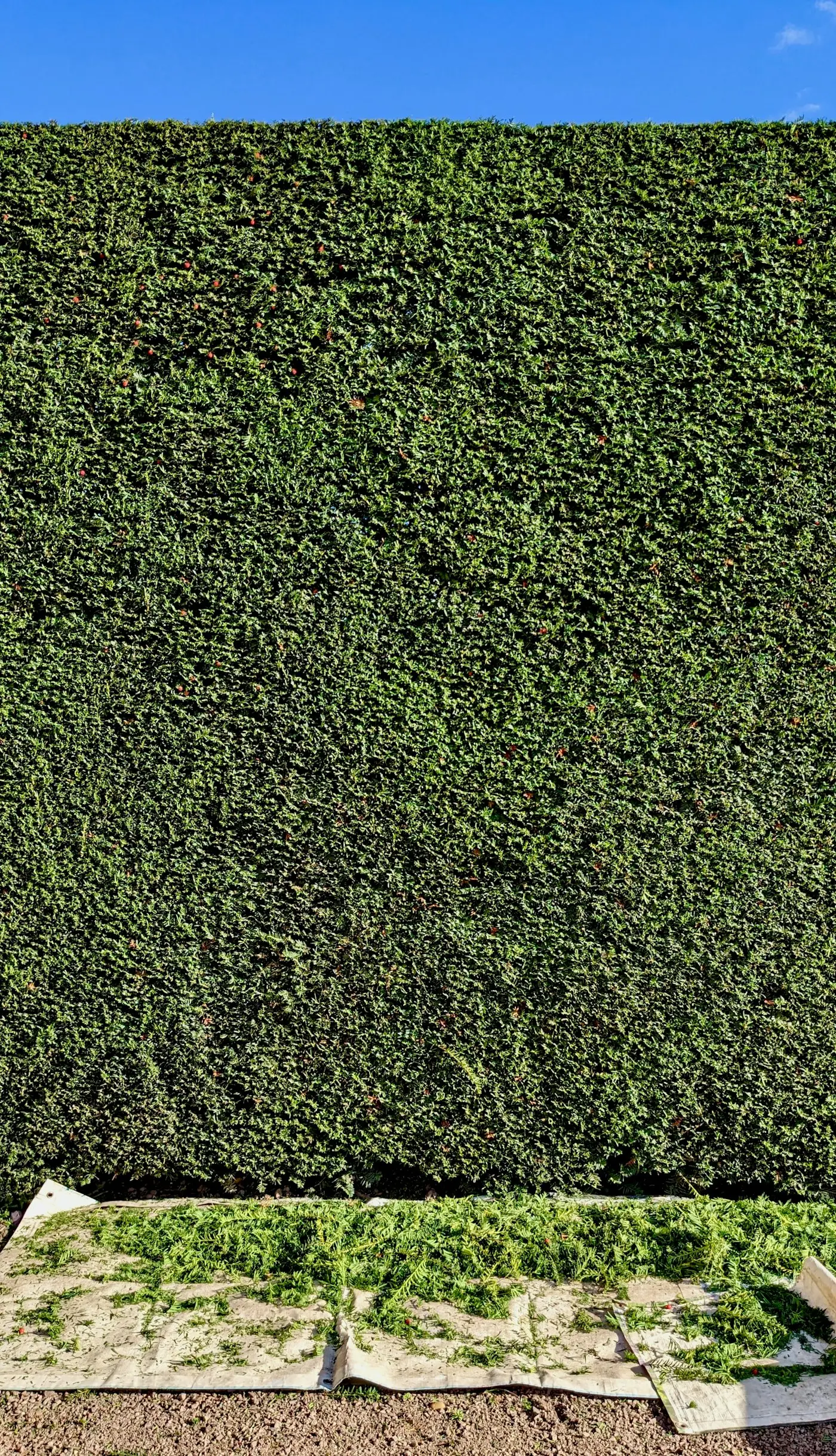
Hedge trimming costs £50-350 per job for most domestic gardens in the UK in 2026, or £3-22 per metre. A standard garden hedge (5-15 metres long, up to 2m tall) typically costs £50-150. Large leylandii boundaries and tall hedges can reach £500+. Yorkshire prices run slightly lower than the national average, with most jobs £50-120.
Most Yorkshire gardeners charge £3-22/m for hedge cutting depending on hedge height and type. Per-job costs run £50-350 for most domestic hedges. The per-metre rate is the most useful figure for anyone with a long boundary run who needs to calculate total cost before calling for a quote.
Hedge trimming costs £40-£120 in Yorkshire, depending on hedge height and length. Most homeowners pay £50-£130 for a standard garden hedge (1-2m tall, up to 15m long). Per-metre rates run £3-22/m depending on species and height. To calculate your hedge trimming cost: measure your run in metres, find the rate for your species and height in the table below, multiply, and add £20-50 for waste disposal.
| Hedge size (by run length) | Typical Yorkshire cost | Per-metre rate |
|---|---|---|
| Small hedge (up to 5m run) | £40-80 | £8-16/m |
| Medium hedge (5-20m run) | £80-200 | £4-10/m |
| Large hedge (20m+ run) | £150-350+ | £3-22/m |
These figures cover the cut only; waste removal adds £20-50 on most jobs. Leylandii and conifers sit at the upper end of each per-metre band. For a species and height breakdown, use the calculator section below.
Hedge trimming costs £50-£350 per job in the UK in 2026. Per-metre rates run £3-£22/m in Yorkshire (£4-£25/m nationally) and are useful for estimating long boundary runs. The cost of hedge trimming varies widely depending on how tall the hedge is, how long it runs, what species it is, and whether the gardener is disposing of the cuttings. A small privet front hedge and a 4m leylandii boundary run are both called "hedge trimming" - but they are different jobs in practice.
| Hedge type | Per metre rate (Yorkshire) | Typical total cost | Notes |
|---|---|---|---|
| Small front garden hedge (under 1m high, under 10m long) | £3-5/m | £50-£80 | Most common residential hedge |
| Medium garden hedge (1-2m high, 10-20m long) | £5-12/m | £60-£150 | Needs ladders for top growth |
| Large formal hedge (2m+ high, 20m+ long) | £8-22/m | £150-£350+ | Half-day to full-day job |
| Conifer reduction (large leyland cypress) | £15-30/m | £200-£600+ | Specialist work, tree surgeon may be needed |
| Hedge removal and disposal | £20-55/m | £150-£400 | Depends on size and access |
How Much Does It Cost to Cut a Hedge?
Cutting a typical garden hedge costs £60-200 in Yorkshire, depending on the height, length and whether any clearance is needed afterwards. A small privet front hedge sits at the lower end; a large boundary run with leylandii sits at the top.
| Hedge size | Typical cost (Yorkshire) | Notes |
|---|---|---|
| Small hedge (up to 1m high, under 5m long) | £40-80 | Privet front hedge; no ladder needed |
| Medium hedge (up to 2m high, up to 10m long) | £80-160 | Standard garden hedge; step platform typical |
| Large hedge (over 2m, over 15m long) | £150-300+ | Half-day or longer; ladder throughout |
| Per hour rate (Yorkshire floor) | £25-35/hr | Self-employed gardeners; firms charge more |
Waste removal is usually charged separately at £20-50 on top of the cutting price. For a per-metre breakdown by species and height, see the section below.
What does hedge trimming cost in the UK?
Hedge trimming in the UK costs £30-£120 for a standard garden hedge. Longer, taller or thicker hedges cost more, and prices vary depending on whether the gardener takes the clippings away. The full cost of hedge trimming ranges from £50-£350+ per job in 2026. A small front hedge: £50-£80. Full garden hedges (front and back): £150-£350. Leylandii boundary hedges: £200-£500+. Waste removal is usually charged separately at £20-£50 per job.
| Garden type | Typical total cost |
|---|---|
| Small front garden, single short hedge | £50-£80 |
| Standard semi-detached, front and back hedges | £80-£180 |
| Larger property, multiple mixed hedges | £150-£350 |
| Leylandii boundary run (15m+) | £200-£500+ |
Yorkshire prices sit 20-30% below the national figures above. A two-hedge garden with a privet front and a beech rear typically costs £100-£200 all in with a Yorkshire gardener, including waste disposal. The per-hedge rates below give you the building blocks to estimate your specific garden.
Hedge Trimming Prices: What You'll Pay in 2026
Hedge trimming prices in the UK range from £35 for a small managed hedge up to £350+ for a large boundary run, with per-metre rates of £3-£22 depending on species and height. Prices vary by species because different hedges grow at different rates, produce different waste volumes, and need different tools to cut well. Here is what most Yorkshire gardeners charge per year for a standard domestic hedge by type, based on a maintained hedge that is cut on a regular schedule.
| Hedge type | Annual trims needed | Cost per trim (Yorkshire) | Typical annual cost |
|---|---|---|---|
| Privet (small, up to 8m) | 2-3 per year | £40-80 | £80-200 |
| Privet (large, 15m+) | 2-3 per year | £100-160 | £200-480 |
| Box hedge (formal topiary level) | 1-2 per year | £60-150 | £60-300 |
| Leylandii / conifer (up to 3m) | 1-2 per year | £100-250 | £100-500 |
| Leylandii / conifer (3m-6m) | 1-2 per year | £250-500 | £250-1,000 |
| Beech / hornbeam (maintained) | 1-2 per year | £80-200 | £80-400 |
| Laurel (large established) | 1-2 per year | £100-300 | £100-600 |
These hedge trimming prices assume waste removal is included. Annual costs are lower for slow-growing species such as yew and box, and higher for fast-growing species that need multiple visits such as privet and leylandii. If waste removal is charged separately, add £20-50 per visit to the figures above.
How Much Does Hedge Cutting Cost Per Metre?
Hedge cutting in Yorkshire costs £3-£22 per metre (UK-wide: £4-£25/m) depending on hedge type, height and difficulty of access. Most gardeners price by the whole job rather than strictly by the metre, but per-metre rates are useful for estimating long boundary runs and for checking whether a quote is reasonable. Here is how the main species and heights break down.
| Species | Cost per linear metre (UK) | Cost per linear metre (Yorkshire) |
|---|---|---|
| Privet (up to 1.5m) | £4-8/m | £3.50-7/m |
| Beech (up to 2m) | £6-12/m | £5-10/m |
| Box (formal, up to 1m) | £5-10/m | £4.50-9/m |
| Laurel (up to 2m) | £5-12/m | £4.50-10/m |
| Leylandii (up to 2m) | £8-15/m | £7-13/m |
| Conifer / leylandii (2m+, ladder required) | £15-25/m | £13-22/m |
| Hawthorn (up to 2m) | £7-13/m | £6-11/m |
| Yew (formal, up to 2m) | £8-14/m | £7-12/m |
These rates assume a single-face cut and basic waste management. Double-sided hedges, waste removal by the gardener, and difficult access all increase the per-metre cost. For a long boundary run of 20-30 metres, multiply the per-metre rate by the run length and use it as a cross-check against any whole-job quote.
A practical example: a 25m privet hedge at 1.2m tall. At £5/m that is a £125 base, plus £30-40 for waste disposal, making £155-165 all-in - which is a reasonable check against a quote of £140-180. For a full breakdown of what a professional hedge trimming service covers, see the service page.
What Is the Average Cost to Trim a Hedge in the UK?
The average UK hedge trimming job in 2026 costs £80-120 for a standard domestic garden hedge. That covers cutting and basic tidying but usually excludes waste removal, which adds £20-50 depending on volume.
| Hedge size | Typical UK cost | Yorkshire typical |
|---|---|---|
| Small box hedge (low formal, up to 1m, up to 5m long) | £40-80 | £35-65 |
| Standard garden hedge (1-2m tall, up to 10m) | £80-150 | £70-130 |
| Tall leylandii / boundary conifer (2m+, 15m+) | £150-350+ | £130-280+ |
| Formal beech hedge (1-2m, careful shaping) | £80-160 | £70-140 |
| Conifer height reduction | £200-500 | £180-420 |
| Formal yew / box topiary | £80-200 | £70-180 |
Yorkshire rates run 20-30% below the national average, so a job that costs £100 nationally might cost £80-90 from a Yorkshire gardener. For a direct comparison with what gardeners charge by the day, see the UK gardener cost guide.
How Much Do Gardeners Charge for Hedge Cutting?
Most gardeners charge £30-50 per hour for hedge work in 2026. Yorkshire rates sit at £25-35 per hour, reflecting the lower cost of living in the North compared to the South and London.
| Region | Hourly rate (2026) |
|---|---|
| Yorkshire and the North | £25-35/hr |
| East Midlands / West Midlands | £30-42/hr |
| South East (excl. London) | £35-45/hr |
| London | £40-55/hr |
Knowing the hourly rate helps you estimate total cost. A typical 30-metre garden hedge at 1.5m tall takes 2-4 hours for one gardener working with a powered trimmer. At Yorkshire rates, that is £56-160 in labour alone before waste disposal. A second gardener speeds the job up but adds a second hourly rate.
Specialist work - conifer height reduction, formal topiary shaping, or any job requiring a cherry picker - is almost always quoted as a fixed price rather than by the hour. This is normal and often better value for you, because you know the total cost upfront regardless of how long the job takes. For more on day rates, see the gardener day rate guide.
How Much Does It Cost to Trim a 6ft Hedge?
A 6ft hedge typically costs £70-160 in Yorkshire for a 10-20m run, plus £20-50 for waste removal. At roughly 1.8m, this is the point where a gardener needs a step platform or a low ladder to reach the top face, which adds to the time and the per-metre cost compared to a hedge at 1.2-1.5m.
| Hedge species | Run length | Yorkshire cost (6ft / 1.8m) | Waste extra |
|---|---|---|---|
| Privet or beech | 10m | £70-120 | £20-35 |
| Privet or beech | 20m | £130-200 | £30-50 |
| Leylandii | 10m | £100-160 | £30-50 |
| Leylandii | 20m | £190-300 | £50-80 |
At 6ft, run length is the main cost driver. The height premium at 1.8m is relatively modest (around 10-15% above a 1.2m hedge of the same species and length, as a step platform is needed mainly for the top face). The step-change in cost comes when the hedge reaches 2.5-3m and a full ladder becomes essential throughout the job.
What Affects the Price of Hedge Trimming?
Five factors drive most of the variation in hedge trimming quotes.
Height
Anything above about 1.5m requires a ladder or step platform. That slows progress and adds physical risk for the gardener. A hedge at 1.8m costs notably more per linear metre than one at 1m because the gardener is working above head height for most of the job. For conifer hedges above 3m that need a significant height reduction, you are in half-day territory regardless of the run length.
Length
Most gardeners price by the overall job rather than strictly by the metre, but length obviously sets the baseline. A 5m hedge is a quick job; a 30m boundary run is a half-day minimum. Longer runs also generate more waste volume, which is where the disposal costs start to add up.
Species
A soft-stemmed privet cuts quickly and cleanly. A thick-stemmed hawthorn or mature beech hedge takes longer per metre and dulls blades faster. Leylandii has a reputation for slow cutting because the volume of growth is so dense. Formal topiary species like box and yew require slow, careful shaping rather than a run along the top with a powered trimmer. Species is probably the second biggest price driver after height.
Access
If the gardener can work along both sides of the hedge without obstruction, the job is straightforward. If one side backs onto a neighbour's garden with no access, the gardener may only be able to cut one face and the top. Difficult access on either side adds time and price.
Waste disposal
Green waste does not disappear by magic. The cuttings have to be bagged, loaded, and taken somewhere. Some gardeners include this in the headline price; most charge it separately at £20-50 depending on the volume. Anyone transporting waste for hire or reward needs a Waste Carrier's Licence from the Environment Agency. For larger jobs, ask to see it.
Rule of thumb for a fair quote
A good quote will state: the total price, whether waste removal is included, and roughly how long the job will take. If someone refuses to give a number without an on-site visit for a standard domestic hedge, that is usually a red flag. A decent gardener can give a reliable estimate from your description and a photo.
How Much Does Leylandii Hedge Cutting Cost?
Leylandii costs £15-£25 per metre to trim, making it consistently the most expensive common hedge species to maintain. The reasons are practical: leylandii wood is tougher than privet or beech, the growth is extremely dense, and a single cut generates a much larger volume of waste than any other domestic hedging species.
Leylandii can grow 60-90cm per year if left unchecked. A hedge that is trimmed once a year needs significantly more work than one cut twice. Many Yorkshire gardeners who see a neglected leylandii will price in extra time for the first visit and reduce the rate for subsequent regular cuts, so asking about a standing agreement can save you money if you have a long leylandii run.
| Leylandii run length | Height | Typical Yorkshire cost | Waste disposal (extra) |
|---|---|---|---|
| 10m | Up to 2m | £80-140 | £25-40 |
| 15m | Up to 2m | £120-200 | £35-55 |
| 20m | Up to 2m | £160-260 | £45-70 |
| 15m | 2-3m (ladder) | £170-300 | £50-80 |
| 15m | 3m+ (height reduction) | £250-480 | £70-120 |
Leylandii was planted widely across suburban Britain in the 1970s and 1980s. In Yorkshire, you see high concentrations in the post-war housing estates around Bradford, Leeds, Wakefield, and Huddersfield. Many of those original hedges are now 3-5m tall and generating neighbour disputes. If yours is in that category, a tree surgeon may be a better call than a gardener. See the section below on when to use each.
Leylandii Removal Cost
Leylandii removal in Yorkshire costs vary by height, number of trees and access. A single tree up to 3m costs £150-300; a tree up to 6m costs £300-600; a row of five trees at 6m costs £800-1,500 plus disposal. Full leylandii removal always costs significantly more than annual trimming and is a tree surgeon job above 3m height.
| Job | Typical cost (Yorkshire) | Notes |
|---|---|---|
| Single leylandii, up to 3m | £150-300 | Basic fell and chop; waste extra |
| Single leylandii, up to 6m | £300-600 | Tree surgeon recommended above 3m |
| Row of 5 leylandii, up to 6m | £800-1,500 | Plus disposal costs; stump grind extra |
| Stump grinding (per stump) | £80-150 | After felling; standard domestic stump |
| Full root extraction (per tree) | £100-300 | Machinery usually required |
Disposal is a major cost on any leylandii removal job. A single mature leylandii generates a significant volume of material; five trees will typically require a skip and a chipper or multiple clearance runs. For hedges above 3m, always use a tree surgeon rather than a general gardener. See the leylandii removal Yorkshire guide for full pricing and contractor guidance.
Is Hedge Trimming Cheaper Than Hedge Removal?
Yes. Hedge trimming costs £80-280 for a typical job versus £400-900+ for full removal, making trimming significantly cheaper. These are sometimes considered as alternatives, particularly when a hedge has been neglected and a homeowner is weighing up whether to restore it or take it out entirely.
| Option | Typical cost (Yorkshire, 15m run) | Notes |
|---|---|---|
| Annual trim (privet) | £100-160 per year | Ongoing maintenance |
| One-off heavy reduction | £150-280 | Brings overgrown hedge back |
| Full hedge removal | £400-900+ | Extract, dispose, stump treat |
| Replacement planting | £300-800+ additional | If you want a hedge back |
The break-even point for trimming vs removal is typically 4-5 years of trimming costs. If you are considering removal because the hedge looks overgrown, a single heavy reduction cut will often bring it back to a manageable shape at a fraction of the removal cost. Removal makes more sense when the species is wrong for the location, when the hedge is damaging a fence or structure, or when you want to change the boundary type entirely.
How Much Does It Cost to Remove a Hedge?
Hedge removal in Yorkshire costs £25-40 per metre of run for a standard domestic hedge. A full boundary run of 20m or more, including extraction, disposal, and stump treatment, typically costs £500-1,500+.
| Hedge type | Removal cost per metre | Total cost (20m run, Yorkshire) |
|---|---|---|
| Privet (low, shallow roots) | £20-30/m | £400-600 |
| Beech (established) | £25-35/m | £500-700 |
| Leylandii (2m+) | £35-55/m | £700-1,100 |
| Leylandii (3m+, stump grind) | £50-80/m | £1,000-1,600+ |
Root barrier membrane installation (to prevent regrowth or to protect a neighbouring boundary) adds £8-15 per metre if required. For anything above 2m, a tree surgeon is the appropriate contractor for removal. A gardener quoting on leylandii removal above 2m should prompt a question about their insurance cover for that type of work.
How Much Does It Cost to Remove a Privet Hedge?
Removing a privet hedge costs £150-£600 depending on length, height and root removal, rising to £1,000+ for long, tall or deeply rooted runs. Most garden privet runs of 5-15m cost £200-500 all in. Privet has relatively shallow roots compared to leylandii or hawthorn, making it one of the more straightforward hedges to remove - but it still generates a significant volume of green waste and the root system needs clearing if you plan to lay turf or erect fencing on the cleared ground.
| Privet hedge size | Removal cost (Yorkshire) | Notes |
|---|---|---|
| Small (under 5m run) | £100-250 | Half-day or under; one worker with basic tools |
| Medium (5-15m run) | £200-500 | Full day; two workers typical; includes basic root clearance |
| Large (15m+ run) | £400-1,000+ | Multi-day; skip hire likely needed for waste volume |
| Add: root extraction | +20-40% to base cost | Essential before laying turf or fencing |
| Add: skip hire (if needed) | £150-250 | Standard 4-yard skip, Yorkshire 2026 |
Why homeowners remove privet hedges
The most common reasons for privet removal in Yorkshire are: replacing with timber or composite fencing for lower maintenance, reclaiming border space where the hedge has spread too wide at the base, disease or die-back leaving bare patches that will not recover, and boundary changes where a hard edge is preferred. Privet that has been left uncut for several years often becomes a sprawling shrub rather than a formal hedge and is more cost-effective to remove than to restore.
Privet hedge removal including roots
Root extraction adds 20-40% to the base removal cost but is essential if you plan to lay turf, pave over, or erect fencing where the hedge stood. Without full root removal, privet will reshoot from the base within one growing season. For a typical 10m run in Yorkshire, removing the above-ground hedge costs £200-350; adding full root extraction brings the total to £280-490. Some gardeners offer herbicide-based stump treatment as an alternative - it kills the root system over 4-8 weeks without ground excavation, at a lower cost than digging.
Time to remove a privet hedge
A typical privet hedge removal takes 2-6 hours for one to two workers. A small run under 5m at 1-1.5m tall takes 2-3 hours for one gardener with a bowsaw, loppers, and a spade. A medium run of 10-15m needs two workers and a full working day including root extraction and waste loading. Larger hedges above 15m often require a mini-digger for efficient root removal, which shifts the job from a gardening quote to a landscaping quote - expect different pricing structures and usually a fixed-price tender.
How Often Should Hedges Be Trimmed?
Most hedges need trimming 1-2 times per year, with fast-growing privet and leylandii needing 2-3 cuts. The cutting frequency depends on species and how tidy you want the hedge to look.
- Privet and leylandii: 2-3 cuts per year. Both are fast growers that look untidy quickly if left.
- Beech and hornbeam: 1-2 cuts per year. They hold their shape well after a good summer cut.
- Yew: 1 cut per year, usually late summer. Slow-growing but responds well to a precise annual trim.
- Box: 1-2 cuts per year. Formal box shapes need care but are not heavy cutters.
- Hawthorn: 1-2 cuts per year. Tough stems and thorns make this harder work per cut.
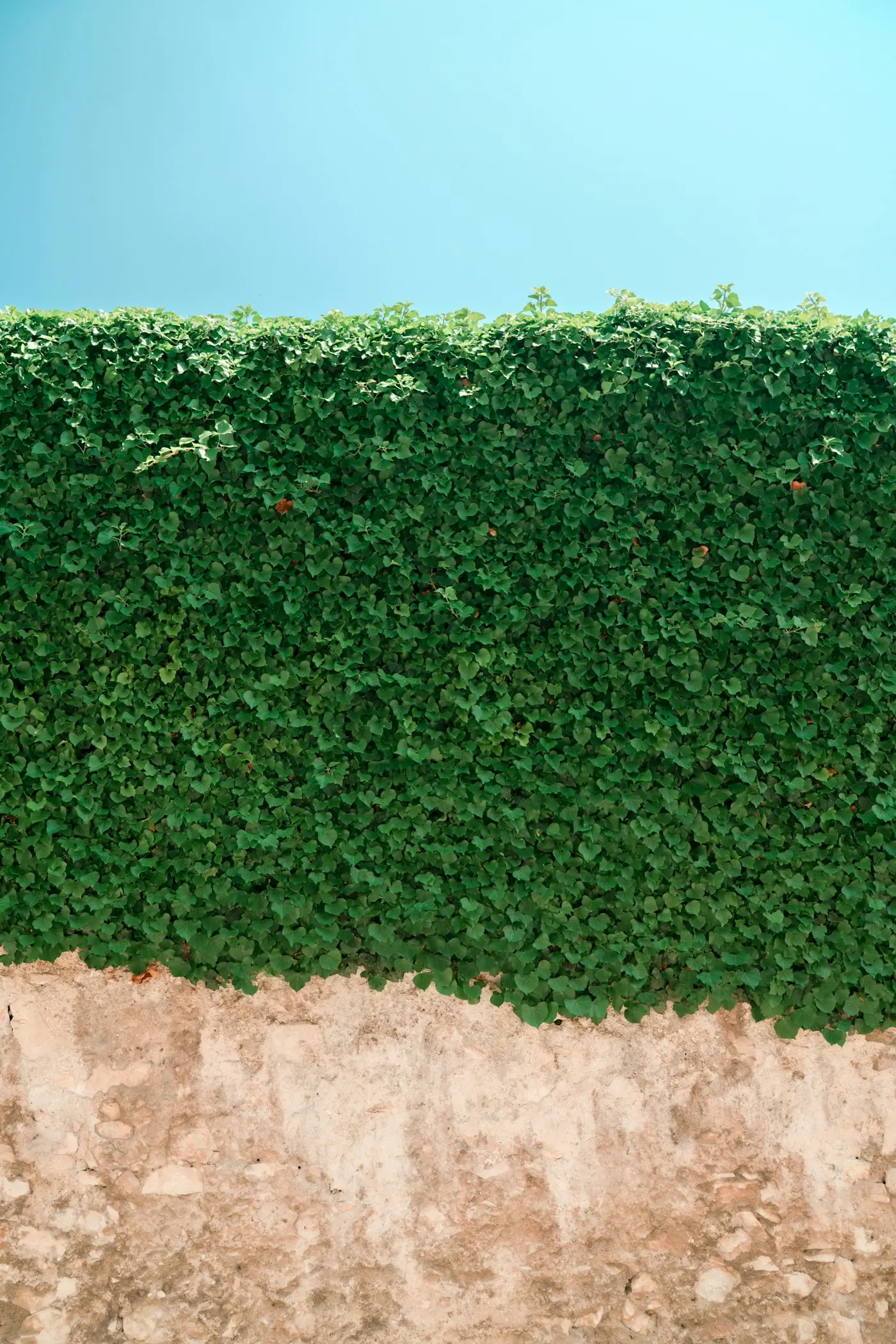
In Yorkshire, the practical cutting windows are late February to early March (before the main growth flush and before nesting season) and late August to September (summer growth slowed, nesting mostly complete). Under the Wildlife and Countryside Act 1981, it is an offence to cut a hedge containing an active bird's nest. Most professional gardeners check before starting.
| Hedge type | Cuts per year | Cost per cut (Yorkshire, incl. waste) | Annual total |
|---|---|---|---|
| Privet, 15m, 1.5m tall | 2-3 | £100-160 | £200-480 |
| Beech, 15m, 1.5m tall | 1-2 | £120-180 | £120-360 |
| Leylandii, 15m, 2m tall | 2 | £160-260 | £320-520 |
| Yew, 10m, 1.5m tall | 1 | £90-150 | £90-150 |
| Box (formal), 8m, 1m tall | 1-2 | £70-120 | £70-240 |
If your garden includes multiple hedges of different species, it is worth asking your gardener about a combined seasonal agreement. Many Yorkshire gardeners will combine a late-August hedge cut with a general garden tidy for a slightly lower rate than booking each job separately.
Do I Need a Gardener or a Tree Surgeon for My Hedge?
Use a gardener for hedges up to 2.5m tall; use a tree surgeon for anything taller, any significant height reduction, or leylandii removal. The right contractor depends mainly on height and complexity.
| Situation | Right contractor | Why |
|---|---|---|
| Hedge up to 2-2.5m, routine trim | Gardener | Standard equipment, no specialist risk |
| Hedge 2.5-3m, modest trim | Gardener with ladder | Still within most gardeners' scope |
| Hedge above 3m, any height reduction | Tree surgeon | Aerial work, chipper, specialist insurance |
| Leylandii removal at any height | Tree surgeon preferred | Volume, stump grinding, root systems |
| Hedge near power lines or structures | Tree surgeon | Risk management and liability |
Tree surgeons carry different public liability insurance and have access to aerial work platforms and chippers that make tall or removal jobs safe and efficient. A gardener quoting on a tall leylandii reduction job should prompt a specific question about their insurance cover for work above 2m. If they hesitate, find a tree surgeon. For jobs that sit clearly in tree surgeon territory across Yorkshire, see the tree surgeons in Yorkshire guide.
How Long Does Hedge Trimming Take?
A 10m privet hedge takes 45-90 minutes; a 20m leylandii at 2m takes 3-5 hours for one gardener with a powered trimmer. Job time varies mainly with run length, species density, and height. Here are realistic estimates.
| Job | Typical time (one gardener) |
|---|---|
| 10m privet hedge, 1.2m tall | 45-90 minutes (incl. basic tidying) |
| 15m beech hedge, 1.5m tall | 1.5-2.5 hours |
| 20m leylandii, 2m tall | 3-5 hours (half-day slot) |
| Formal box topiary (per shape) | 20-40 minutes per shape |
| Waste disposal (standard job) | Add 30-60 minutes |
Double these estimates if both sides of the hedge need cutting from the same access point (no neighbour access). Height above 2m adds significantly to time per metre, not just because of the ladder work but because the gardener has to reposition and re-set for each section of the top face. A two-gardener team halves the time but does not halve the cost, because you are paying two hourly rates.
What Is Included in a Hedge Trimming Service?
A standard hedge trimming service includes cutting all accessible sides, trimming the top to a straight line, light shaping, and raking cuttings from the lawn; waste removal is usually charged separately at £20-50.
Usually included
- Cutting all accessible sides of the hedge
- Cutting the top to a straight line or gentle taper
- Light shaping to restore the hedge to its basic form
- Raking loose cuttings off the lawn or path directly beneath the hedge
Usually charged extra
- Green waste removal and disposal (most common extra - adds £20-50)
- Formal shaping or topiary work beyond basic trimming
- Height reduction on tall conifers (typically a separate job)
- Work on sides requiring ladder access from a neighbour's garden
- Stump grinding or removal if a hedge section has died
The waste removal point is worth emphasising because it catches people out. A gardener quoting £60 for your hedge might mean £60 plus £30 for disposal. That is still reasonable for the job but it is not the same as a £60 all-in price. Ask the question before you agree. It is also worth noting that hedge bases are a common site for persistent perennial weeds to establish unnoticed. If your borders alongside the hedge are getting weedy, a weed control visit can be combined efficiently with the annual trim.
What Time of Year Should Hedges Be Cut in Yorkshire?
Cut hedges in late February to early March (before bird nesting season) or late August to mid-September (the main annual cut). Timing matters more in Yorkshire than in most UK regions, for two reasons: the bird nesting season runs from March to August and makes mid-season cutting legally risky, and Yorkshire's weather creates a distinct growing rhythm that differs from the South.
The bird nesting rule
The Wildlife and Countryside Act 1981 makes it an offence to cut, trim, or lay a hedge that contains an active bird's nest with eggs or young. Blackbirds, sparrows, dunnocks, robins, and house sparrows all nest in domestic hedges. Nesting typically runs from March through to August in Yorkshire, with peak activity in April and May. Most professional gardeners check hedges before cutting during this period. If they find an active nest, the law requires them to leave the hedge until the young have fledged.
The best cutting windows in Yorkshire
The two most reliable cutting windows for Yorkshire domestic hedges are:
- Late February to early March: before nesting starts, after the worst winter frosts. A light tidy-cut at this point sharpens the hedge's profile before the main growth flush. Not suitable for beech, which should be left until summer.
- Late August to mid-September: the main annual cut for most species. Summer growth has slowed, nesting is mostly complete, and the hedge will hold its shape through winter without another cut being needed. This is the standard Yorkshire rhythm for privet, beech, leylandii, and hawthorn.
June and July cuts are possible but should be done cautiously and only after confirming no active nests are present. Avoid cutting in prolonged dry spells in summer, as freshly cut hedges in heat stress are vulnerable to die-back at the tips, particularly box and privet.
Yorkshire-specific timing factors
Yorkshire's upland areas, particularly the Dales and the moorland edges around Harrogate, Skipton, and the North York Moors, have a growing season that runs 2-3 weeks later than the Vale of York and the East Riding lowlands. If your garden is above 200m in the western Dales, the February cutting window may be closer to mid-March, and the late summer cut may need to wait until early October before the first hard frosts close the window.
How Much Does Hedge Trimming Cost in Yorkshire?
Hedge trimming in Yorkshire costs £35-60 for a small hedge, £70-130 for a standard garden hedge, and £130-280+ for a large boundary hedge - around 20-30% below the UK national average. The county has a genuine surfeit of competent hedge trimmers because demand is consistent and garden density in urban areas is high. That keeps prices competitive.
| Job | Yorkshire price (2026) | UK national average | London rate |
|---|---|---|---|
| Small front hedge (privet, up to 5m, under 1m tall) | £35-60 | £40-70 | £55-90 |
| Medium garden hedge (1-2m, up to 10m) | £70-130 | £80-150 | £100-200 |
| Large boundary hedge (2m+, 15m+) | £130-280+ | £150-350+ | £200-450+ |
| Leylandii height reduction | £180-420 | £200-500 | £280-650 |
| Hourly rate | £25-35/hr | £30-50/hr | £40-55/hr |
Yorkshire by area
Rates are not uniform across Yorkshire. There are genuine differences between the county's main areas based on local labour costs and the typical hedges found there.
West Yorkshire (Bradford, Leeds, Halifax, Huddersfield, Wakefield): These urban areas have the highest hedge trimming demand in the county and the most competitive rates. The standard domestic job here is a privet run of 8-15m at 1-1.5m. Bradford and Leeds have high concentrations of 1970s-80s leylandii planting, so leylandii jobs are common. Rates here sit at the lower end of the Yorkshire range.
East Riding (Beverley, Hull, Bridlington, Driffield, Market Weighton): Beech hedging is particularly common in the East Riding, especially on larger rural plots and the edges of market towns. East Riding beech hedges are often long and well-established, sometimes running 30-40m along field boundaries. Rates are similar to West Yorkshire for urban jobs; slightly higher for rural access.
North Yorkshire (Harrogate, Ripon, York, Northallerton, Thirsk, Malton, Pickering, Helmsley): Harrogate is the highest-rate zone in the county, so expect to pay at the upper end of Yorkshire ranges for most jobs here. The Ryedale villages have mixed native hedgerows - blackthorn, hawthorn, hazel, and elder - which are priced as agricultural hedging rather than domestic trimming and often run to a half-day minimum.
South Yorkshire (Sheffield, Doncaster, Rotherham, Barnsley): Garden hedging here is typically privet and beech. Rates are competitive, broadly similar to West Yorkshire. Sheffield's extensive tree and hedge cover creates consistent local demand throughout the season.
Homeowners in Scarborough face particularly demanding conditions, with sea wind shaping hedges unevenly and salt exposure accelerating die-back at the top, and most quotes for coastal hedge work allow extra time per linear metre. For a professional hedge trimming service anywhere in Yorkshire, use the quote form below.
How Do You Get a Fair Hedge Trimming Quote?
A fair hedge trimming quote states the total price, confirms whether waste removal is included, and gives a rough time estimate - all before you commit.
- Measure before you call. Know roughly how long the hedge runs and how tall it is. A 10m run at 1.8m gives a gardener something concrete to price against.
- Note the species if you know it. If you do not know, a photo will do.
- Ask specifically about waste. "Is green waste disposal included?" is the most important clarifying question for hedge work.
- Get two quotes for larger jobs. For anything above £150, a second opinion costs you nothing and keeps the first quote honest.
- Do not judge on price alone. A gardener who turns up on time, does the job thoroughly, and leaves the area tidy is worth more than the cheapest number on the list.
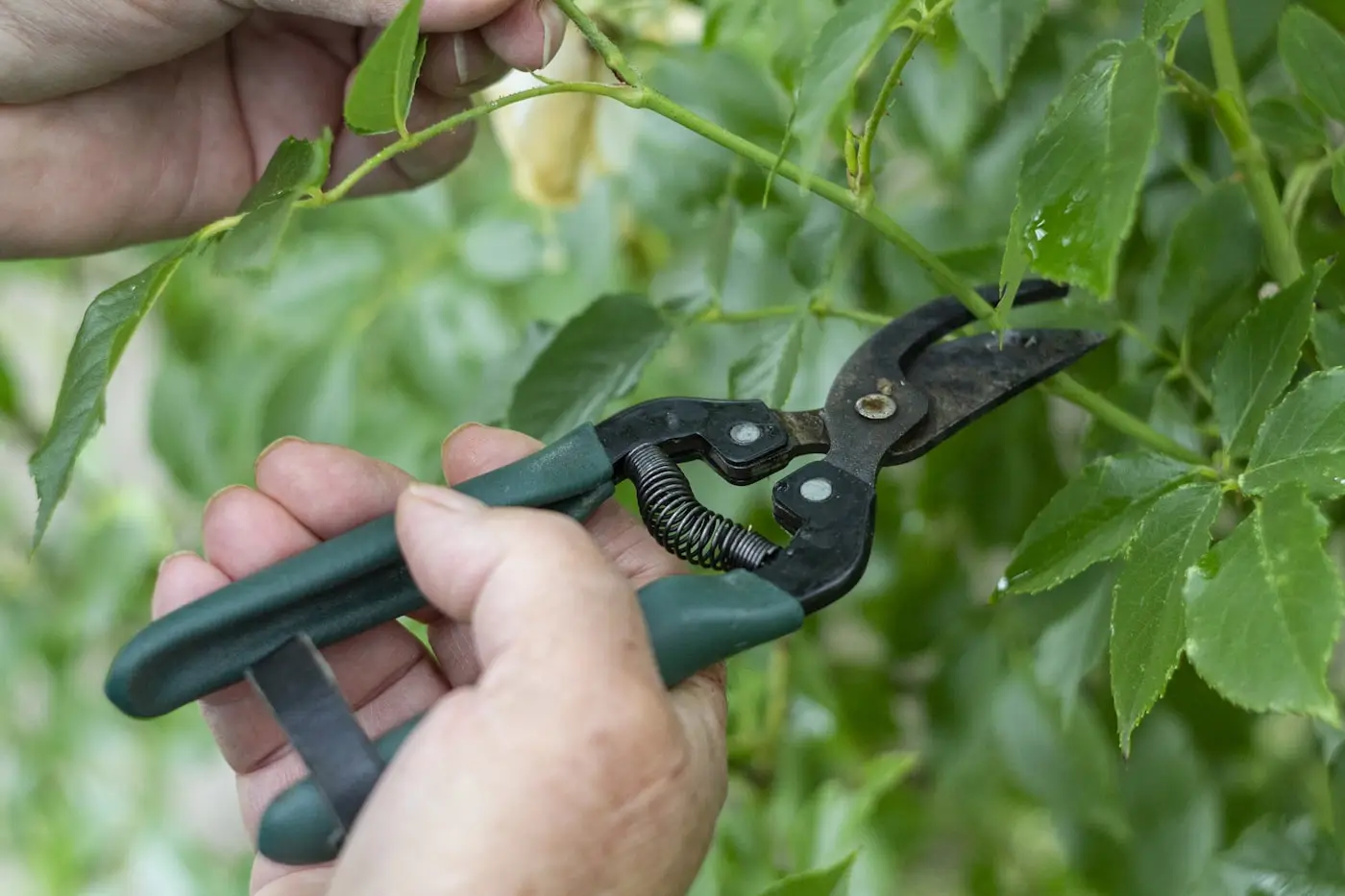
For more on what a gardener costs across different types of work, see the full cost guide. To find gardeners covering your area, browse the Yorkshire towns directory.
Get a quote for your hedge.
60-second assessment. If a local Yorkshire gardener takes your enquiry, they call you with a price for your specific hedge and job.
Start the assessmentHedge Trimming Cost Calculator: Work Out Your Price
There are two ways to calculate hedge trimming cost before calling for a quote. The first is the per-job method: use the table at the top of this guide to find your hedge size and read across to the typical cost. This works well for standard domestic hedges where size is the main variable. The second is the per-metre method, which is more precise for longer boundary runs. Measure your hedge in metres, find the per-metre rate for your species and height in the Step 1 table below, multiply the two figures together, apply a condition adjustment if the hedge is overgrown, then add £20-50 for waste disposal.
Example: a 15m privet hedge at 1.5m tall, well-maintained. Step 1 rate: £6/m. Total cut cost: 15 x £6 = £90. Add £30 for waste. All-in cost: £120. For leylandii at the same length and height: 15 x £11/m = £165, plus £40 waste, giving £205 all in. For a fixed price from a local Yorkshire gardener, use the quote form below.
| Hedge Height | Up to 10m long | 10-20m long | 20m+ long |
|---|---|---|---|
| Up to 1m | £40-70 | £60-110 | £100-180 |
| 1-2m | £60-110 | £120-220 | £180-340 |
| 2-3m | £90-160 | £140-250 | £200-400 |
| 3m+ | £130-220 | £200-350 | £300-550 |
Prices include cutting both sides and bagging/removing the clippings. Add 20-30% for conifer hedges (tougher to cut, more waste). Prices for Yorkshire, 2026.
Cost per metre for hedge trimming
The cost per metre for hedge trimming in Yorkshire runs £3-8/m for low hedges (under 1m), £5-12/m for medium hedges (1-2m), and £8-22/m for tall hedges (2m+). The average for a typical semi-detached garden hedge works out to £6-10/m. Use that as your starting point, then adjust for height and species using the table above. For a full breakdown by species, see the hedge trimming service page. To compare these rates against other garden jobs, see the UK gardener cost guide.
Use the quick-reference table below to look up a typical cost by hedge length, then use the three-step method below to build a more precise estimate for your specific hedge type and condition. Add £20-50 for waste disposal on all jobs.
Quick reference: cost by hedge length
| Hedge length | Typical cost (all in, Yorkshire) | Indicative per-metre rate |
|---|---|---|
| Up to 5m | £50-110 | £10-22/m |
| 5-10m | £100-200 | £10-20/m |
| 10-20m | £150-380 | £8-19/m |
| 20-30m | £250-600 | £8-20/m |
| 30m+ | Fixed-price quote recommended | £8-15/m typical |
These figures cover a standard domestic hedge at 1-2m tall (privet, beech, or similar) including waste removal. Leylandii and tall hedges above 2m sit at the upper end of each band. For a precise figure, use the three-step method below.
Step 1 - Per-metre rate by hedge type and height
| Hedge type and height | Yorkshire (per metre) | UK national (per metre) |
|---|---|---|
| Box or privet, under 1m tall | £3-5/m | £4-6/m |
| Privet, 1-1.5m tall | £5-8/m | £6-9/m |
| Beech or laurel, 1-2m tall | £6-10/m | £7-12/m |
| Leylandii or conifer, up to 2m tall | £8-13/m | £10-16/m |
| Leylandii or conifer, 2-3m (ladder required) | £13-18/m | £15-22/m |
| Any species, 3m+ (full ladder throughout) | £18-22/m | £20-25/m |
Step 2 - Total cut cost by run length
| Run length | Privet at 1.5m (Yorkshire) | Leylandii at 2m (Yorkshire) |
|---|---|---|
| 5 metres | £30-40 | £40-65 |
| 10 metres | £60-80 | £80-130 |
| 15 metres | £90-120 | £120-195 |
| 20 metres | £120-160 | £160-260 |
| 30 metres | £180-240 | £240-390 |
Step 3 - Condition adjustment
| Hedge condition | Adjustment to base rate |
|---|---|
| Well-maintained (cut at least once a year) | No adjustment - use Step 1 rate direct |
| Slightly overgrown (1-2 years since last cut) | Add 20-30% to the base rate |
| Heavily overgrown (2+ years since last cut) | Add 40-80% - may need a heavy reduction cut |
Then add £20-50 for waste disposal on most jobs (more for large leylandii or conifer cuts). Two worked examples: a 15m well-maintained privet at 1.5m = 15m x £6/m = £90 cut, plus £30 waste = £120 all in. A 15m leylandii at 2m with slight overgrowth = 15m x £11/m x 1.25 condition = £206 cut, plus £45 waste = around £250 all in. For a fixed price, use these figures as a sense-check against any quote you receive.
Frequently Asked Questions: Hedge Trimming Cost
How much does hedge trimming cost in the UK?
Hedge trimming costs £25-£350 in the UK in 2026. A small front garden hedge (under 1m high, under 10m long) costs £25-£60 all in. A standard garden hedge (1-2m high, up to 20m long) costs £60-£150. Large boundary hedges cost £150-£350+. Waste removal is usually extra at £20-£50. Yorkshire rates run 20-30% below these national figures.
How much does hedge trimming cost per hour?
Most UK gardeners charge £30-50 per hour for hedge work in 2026. Yorkshire and the North typically sit at £25-35 per hour. The Midlands £30-42. The South £35-45. London £40-55+. A typical 30-metre garden hedge takes 2-4 hours, giving a total labour cost of £60-200 before waste disposal. Specialist hedge work such as conifer reduction or formal topiary shaping is usually priced as a fixed job rather than by the hour.
What is the average cost of hedge trimming?
The average cost of hedge trimming in the UK in 2026 is £80-120 for a standard domestic garden hedge. This typically covers cutting but not waste removal, which adds £20-50 depending on volume. Yorkshire rates run about 20-30% below this average, so a job that costs £100 nationally might cost £80-90 with a Yorkshire gardener.
How much does it cost to trim a tall hedge?
A hedge at 2-3m typically costs 40-60% more per metre than the standard rate because ladder work is required. A hedge above 3m doubles the rate or more. A 15m leylandii boundary at 2-3m height costs £170-300 in Yorkshire, plus £50-80 for waste. Above 3m and you are looking at £250-500+ for the same run.
What is the leylandii hedge trimming cost?
Leylandii costs £15-£25 per metre to trim in the UK in 2026. A standard 15m leylandii boundary at 2m tall costs £120-200 in Yorkshire, plus £35-55 for waste disposal. Leylandii that has not been cut for several seasons may need a height reduction job, which is priced separately at £180-480 depending on how much material needs to come off.
What time of year should hedges be cut?
The best windows for cutting hedges in Yorkshire are late February to early March (before bird nesting season, after hard frosts) and late August to mid-September (main annual cut, nesting mostly complete). Cutting between March and August carries a legal risk under the Wildlife and Countryside Act 1981 if active nests are present.
What is the annual hedge trimming cost?
A standard Yorkshire garden hedge cut twice a year costs £140-260 annually including waste removal. Leylandii cut twice a year costs £320-520 annually. Slow-growing yew cut once a year costs £90-150. Privet cut three times a year (if needed) costs £300-480. Many gardeners offer a small discount for standing seasonal agreements.
How often should I have my hedges trimmed?
Most domestic hedges need cutting once or twice a year. Fast-growing species like privet and leylandii may need two or three cuts a year to stay tidy. Slower-growing species like yew and box typically need one careful cut per year. In Yorkshire, the standard rhythm is late February or early March and late August to September.
How much does hedge trimming cost in Yorkshire?
Hedge trimming in Yorkshire in 2026 costs £35-65 for a small front hedge, £70-130 for a standard garden hedge, and £130-280+ for a large or tall boundary hedge. Hourly rates for hedge work in Yorkshire sit at £25-35/hr, which is 20-30% below the UK national average.
Is it cheaper to trim hedges yourself?
Yes, if you already own suitable equipment. A decent hedge trimmer costs £80-200 and can pay for itself in one or two jobs. However, for tall hedges (above 2m), dense species like leylandii, or hedges near fences and boundaries, hiring a professional is safer and often faster. Factor in the cost of waste disposal and the comparison narrows further.
Do gardeners charge extra for hedge waste removal?
Often yes. Many gardeners quote the cutting separately from waste removal. Expect to pay an extra £20-50 for green waste removal on a standard hedge job, more for large conifer or leylandii cuts that generate significant volume. Always ask whether waste removal is included before agreeing a price. Anyone transporting waste commercially needs a Waste Carrier's Licence from the Environment Agency.
Is hedge trimming cheaper than hedge removal?
Yes. A standard 15m privet hedge cut costs £100-160 in Yorkshire. The same hedge removed costs £400-900 or more once extraction, disposal, and stump treatment are included. If you are considering removal because the hedge is overgrown, a heavy reduction cut will often bring it back to a manageable shape at a fraction of the removal cost.
How much does it cost to remove a hedge?
Hedge removal in Yorkshire costs £25-40 per metre for a standard domestic hedge, or £500-1,500+ for a full boundary run of 20m or more including extraction, disposal, and stump treatment. Leylandii removal costs more because the root system is larger and the volume of material is significant. For anything above 2m, a tree surgeon is the appropriate contractor.
Is it worth paying for hedge trimming?
Yes. A well-maintained hedge costs £60-£150 per cut for a standard garden hedge - far less than replacement with fence panels (typically £800-£2,000 for a 10m run) and less than dealing with a neglected hedge that needs a heavy reduction job later. Regular trimming also adds kerb appeal and maintains privacy. A single missed season on a fast-growing species like privet or leylandii can double the cost of the next cut.
How long does hedge trimming take?
A 10m privet hedge at 1.2m tall takes one gardener about 45-90 minutes. A 15m beech hedge at 1.5m takes 1.5-2.5 hours. A 20m leylandii at 2m typically fills a half-day slot (3-5 hours). Waste disposal adds 30-60 minutes to most jobs. Two gardeners halve the time but not the cost, since you pay two hourly rates.
How much does it cost to trim a conifer hedge?
Conifer hedge trimming costs £15-£25 per linear metre in the UK in 2026. A standard 15m conifer boundary at up to 2m tall costs £120-£200 in Yorkshire, plus £35-£55 for waste disposal. Large leyland cypress above 2m needing a height reduction costs £200-£600+ and may require a tree surgeon rather than a gardener.
Do I need planning permission to cut my hedge?
No planning permission is required to trim a hedge on your own property in most domestic cases. Exceptions apply if your property is in a conservation area, if the hedge is subject to a Tree Preservation Order (TPO), or if a High Hedge Complaint notice is in effect. In all standard cases, cutting a hedge is permitted development. If uncertain, contact your local council planning department before carrying out significant work.
What does hedge trimming include?
A standard hedge trimming service includes cutting all accessible sides, trimming the top to a straight line, light shaping to restore the outline, and raking cuttings from the lawn or path beneath. Green waste removal is usually charged separately at £20-£50. Formal topiary shaping, height reductions on tall conifers, and work requiring access from a neighbour's garden are typically separate jobs at additional cost.
What is the cost of hedge trimming?
Hedge trimming costs £60-£150 for a standard garden hedge in the UK. Larger or overgrown hedges can cost £200-£300 or more.
How often should you trim a hedge?
Most formal hedges need trimming 2-3 times a year. Informal or wildlife hedges need cutting once a year, typically in late summer after nesting season.
Is there a cheap way to trim a hedge?
The cheapest option is to hire a local self-employed gardener rather than a landscaping firm. Rates start from £25-30/hr for hedge trimming in most areas of the UK.
Does hedge trimming cost more if the hedge is very tall?
Yes. Hedges over 2 metres often require special equipment, which adds to the cost. Expect to pay 20-40% more for hedges above 2.5 metres.
How much does hedge maintenance near me cost?
Hedge maintenance across Yorkshire typically costs £30-£80 per visit for a standard garden hedge. Prices vary by location and hedge size. For local pricing, see gardeners in York or browse the Yorkshire towns directory to find a gardener near you. Request a free quote to get a local price.
How much does it cost to remove a privet hedge?
Privet hedge removal costs £100-£1,000+ depending on the size of the hedge. A small privet hedge (under 5m) costs £100-250 to remove in Yorkshire. A medium hedge (5-15m) costs £200-500. A large privet hedge (15m+) costs £400-1,000 or more. Root removal adds 20-40% to these figures and is essential if you are laying turf or fencing afterwards. Skip hire adds £150-250 if the volume of waste warrants it.
How much does privet hedge removal cost including roots?
Privet hedge removal including root extraction costs 20-40% more than removal without root clearance. For a typical 10m privet hedge in Yorkshire, removing the above-ground hedge costs £200-350; adding full root extraction brings the total to £280-490. Root removal is essential before laying turf, installing paving, or erecting fencing on the cleared ground.
What is the average cost to remove a privet hedge per metre?
Privet hedge removal costs £15-40 per linear metre in Yorkshire, depending on hedge height and root depth. Low privet under 1m tall costs £15-25/m. Standard garden privet at 1-1.5m costs £20-35/m. Taller or older privet with a more established root system costs £30-40/m or more including root clearance and disposal.
How long does it take to remove a privet hedge?
Removing a privet hedge typically takes 2-6 hours for one to two workers. A small hedge under 5m takes 2-3 hours for one gardener with basic hand tools. A standard garden hedge of 10-15m needs two workers and a full working day including root extraction and waste loading. Privet is faster to remove than leylandii or hawthorn because the wood is softer and the roots are shallower.
Can I remove a privet hedge myself?
Yes, you can remove a privet hedge yourself if the hedge is small and you have the tools and time. A bowsaw, loppers, and a spade are sufficient for a run under 5m at low height. Root removal is labour-intensive but achievable for most homeowners. The main challenge is disposal: a 10m privet hedge generates 1-2 cubic metres of material, typically requiring skip hire (£150-250) or multiple van trips to a tip. For larger hedges, a gardener with a wood chipper makes the waste far more manageable.
How much does hedge removal cost UK?
Hedge removal costs range from £100 for a small privet front hedge to £1,500+ for a large boundary run in the UK in 2026. Per-metre rates run £15-55/m depending on species, height, and whether root removal is included. Privet and beech are at the lower end; leylandii and hawthorn are at the higher end due to denser root systems and higher waste volume. Yorkshire rates sit 20-30% below the national average.
What is the cost of hedge trimming per metre?
Hedge trimming costs £3-8 per linear metre for standard garden hedges (privet, box, beech up to 1.5m tall) in Yorkshire in 2026. Nationally, rates run £4-10/m for the same species and heights. Tall hedges between 1.5m and 2.5m cost £8-15/m. Leylandii and conifers cost £10-22/m due to dense growth and high waste volume. These rates cover cutting only; waste removal adds £20-50 per job.
What is the cost to trim a hedge in Yorkshire?
Hedge trimming in Yorkshire costs £35-60 for a small front hedge, £70-130 for a standard garden hedge, and £130-280+ for a large or tall boundary hedge in 2026. Hourly rates for hedge trimming in Yorkshire sit at £25-35 per hour, which is 20-30% below the UK national average of £30-50 per hour.
Is hedge cutting cheaper in Yorkshire than London?
Yes, hedge cutting in Yorkshire is significantly cheaper than in London. Yorkshire rates run £25-35 per hour; London rates run £40-55 per hour. A standard 15m garden hedge at 1.5m tall costs £70-130 in Yorkshire compared with £120-200 in London for the same job. A small front hedge costs £35-60 in Yorkshire versus £55-90 in London. Yorkshire's lower regional labour costs and competitive local market consistently deliver lower hedge trimming prices than the capital - typically 40-50% cheaper per job on a like-for-like basis.
Does hedge trimming height affect cost?
Yes. Height is one of the main cost drivers. A hedge up to 1.5m tall is the standard reference rate. At 1.5-2.5m, expect to pay 10-15% more per metre because a step platform is needed for the top face. Above 2.5m, the premium rises to 40-60% or more. Above 3m, the per-metre rate effectively doubles and the question arises whether a gardener or a tree surgeon is the right contractor. See the section above on gardeners vs tree surgeons for guidance.
Do hedge trimmers charge by the hour or per job?
Most hedge trimmers quote by the job rather than by the hour. A gardener will look at the hedge length, height, species, and access, then give you a fixed price for the whole job. Some charge by the hour for unusual or complex work. For a routine domestic trim, a fixed-price quote is more common and gives you certainty on what you will pay. If a gardener insists on an hourly rate for a straightforward job, ask for an estimated total before they start.
How much does it cost to remove a large conifer hedge?
Removing a large conifer hedge (leylandii or cupressus, over 2m tall, 15m or more in length) in Yorkshire typically costs £700-£1,500 or more, depending on height and root depth. A 15m leylandii boundary at 2-3m costs £500-£900 for the above-ground removal alone. Root extraction adds 30-50% to that figure. Waste disposal for a large conifer removal typically requires a skip (£150-£250) or a specialist clearance vehicle. For hedges above 3m, a tree surgeon is the appropriate contractor.
What is the difference between hedge trimming and hedge removal?
Hedge trimming is the regular maintenance cut that keeps the hedge in its existing shape, typically costing £50-£350 per job. Hedge removal means taking the whole hedge out including the root system - a one-time job costing £400-£1,500 or more for a typical boundary run. Trimming preserves the hedge; removal ends it. In most cases, a heavy reduction cut will restore an overgrown hedge at a fraction of the removal cost, making trimming the better starting point before committing to full removal.
Do I need to be home when the gardener trims my hedge?
For a front garden hedge, no - the gardener can usually work from the pavement or kerbside without needing to access your property. For a rear garden hedge, you generally need to be in or leave the gate unlocked so the gardener can work both sides. Confirm access arrangements when booking. Most Yorkshire gardeners are comfortable working in an unoccupied property if gate codes or key arrangements are agreed in advance.
When is the best time to trim a hedge in Yorkshire?
The best times to trim a hedge in Yorkshire are late February to early March, and late August to mid-September. The February window catches the hedge before the main spring growth flush and before bird nesting season. The August window is the main annual cut for most species, once summer growth has slowed and nesting is mostly complete. Cutting between March and August carries a legal risk under the Wildlife and Countryside Act 1981 if active nests are present. Yorkshire upland gardens may need to shift these windows two to three weeks later in spring.
How much per metre does it cost to remove a privet hedge?
Privet hedge removal costs £15-40 per linear metre in Yorkshire in 2026, depending on hedge height and root depth. Low privet under 1m tall costs £15-25/m to remove. Standard garden privet at 1-1.5m costs £20-35/m. Taller or older privet with a more established root system costs £30-40/m or more, including root clearance and disposal. These rates cover extraction and basic tidy; skip hire for large volumes adds £150-250 extra.
What is the cheapest way to remove a privet hedge?
The cheapest way to remove a privet hedge is to do it yourself with basic tools: a bowsaw, loppers, and a spade. A small run under 5m can be cleared in half a day at no labour cost, though disposal still costs money (skip hire £150-250 or multiple tip runs). For larger runs, the cheapest professional option is a single gardener with a van rather than a landscaping firm, and booking in autumn or winter when demand drops and some gardeners offer lower rates to fill their schedules.
Is it cheaper to trim a privet hedge or remove it completely?
Trimming is almost always cheaper in the short term. A 15m privet hedge cut costs £100-160 in Yorkshire; the same hedge removed costs £400-900 or more. Removal only becomes cost-effective over a long horizon if ongoing trimming costs exceed the removal cost - usually 4-6 years of regular cuts. If the reason for considering removal is overgrowth, a single heavy reduction cut at £150-280 often solves the problem at a fraction of the removal cost.
How much does it cost to remove a 20m privet hedge?
Removing a 20m privet hedge costs £400-800 in Yorkshire in 2026, depending on height and root depth. Above-ground extraction for a standard 1-1.5m hedge at 20m costs £350-600. Full root clearance adds 20-40%, bringing the total to £420-840. Skip hire adds £150-250 if the volume of waste is significant. A mini-digger for root extraction on runs of this length adds £200-350 on top of the labour cost.
How much does it cost to remove a 30m privet hedge?
Removing a 30m privet hedge costs £600-1,200 in Yorkshire, depending on height and whether full root extraction is included. Above-ground removal for a standard 1-1.5m privet at 30m costs £500-900. Full root clearance brings the total to £700-1,200 or more. A job of this size almost always needs skip hire (£150-250) and may benefit from a mini-digger for efficient root removal. Allow at least 2-3 working days for a two-person team.
How much does it cost to remove a 50m privet hedge?
Removing a 50m privet hedge is a major landscaping job, typically costing £1,000-2,500+ in Yorkshire depending on height, root depth, and access. Above-ground removal at 50m costs £850-1,500. Full root extraction brings the total to £1,200-2,500 or more. A job of this scale requires at least one skip (possibly two), likely a mini-digger, and 3-5 working days for a two-person team. Get fixed-price quotes from at least two contractors; a job of this size should not be priced by estimate alone.
Can a gardener remove a privet hedge in one day?
A single gardener can remove a privet hedge of up to 5-8m in one day, including above-ground clearance and basic root extraction. For runs of 10-15m, a two-person team typically completes the above-ground work in one day but root extraction extends the job. Runs above 20m normally require 2-3 days minimum. Waste disposal is usually a separate half-day job or requires skip hire on site. Realistic one-day removal applies to most front garden privet hedges, which tend to be 3-8m long.
What is the going rate for hedge trimming per hour?
The going rate for hedge trimming per hour in the UK in 2026 is £30-50 nationally. In Yorkshire, rates run £25-35 per hour. London rates sit at £40-55+. Most gardeners prefer to quote by the job rather than by the hour, so hourly rates are most relevant when estimating cost before getting a formal quote. A typical 30m garden hedge at 1.5m takes 2-4 hours, giving a Yorkshire labour cost of £56-160 before waste disposal.
How much does conifer hedge removal cost?
Conifer hedge removal costs £35-80 per linear metre in Yorkshire in 2026, making it the most expensive common hedging species to remove. A 15m leylandii or cupressus boundary at 2m+ costs £700-1,500 for above-ground removal plus root extraction. Waste volume from a large conifer removal is substantial, typically requiring a skip (£150-250) and often a chipper. For hedges above 3m, a tree surgeon is the appropriate contractor rather than a general gardener. Get a fixed-price quote; conifer removal is rarely suited to hourly pricing.
What affects the cost of hedge trimming in Yorkshire?
The main factors affecting hedge trimming cost in Yorkshire are: hedge height (anything above 1.5m adds a ladder premium of 20-60%), run length (longer runs cost more in total but often less per metre), species (leylandii and conifers cost more than privet or beech due to density and waste volume), access (one-sided access increases per-metre cost), and waste disposal (usually charged separately at £20-50). Yorkshire's lower regional labour costs (£25-35/hr vs £30-55 nationally) keep base rates competitive across all these variables.
How often should you trim a privet hedge?
A privet hedge should be trimmed 2-3 times per year to stay neat. Privet is one of the fastest-growing domestic hedging species, putting on 30-60cm of growth per season if left unchecked. The standard Yorkshire rhythm is a light tidy in late February or early March, the main annual cut in late August or September, and an optional third cut in June if the hedge is in a prominent position. Reducing to one cut per year allows privet to get unruly and typically doubles the cost of the next cut.
Is it worth paying a professional to trim hedges?
Yes, for most domestic hedges it is worth paying a professional. A professional gardener trims faster and more accurately than most homeowners, produces a cleaner finish, and deals with waste. For hedges above 1.8m, the safety case for a professional with a proper step platform is strong. The cost - typically £60-150 for a standard garden hedge - is modest relative to the risk of a poor DIY cut that leaves brown patches or an uneven line, which takes one to two growing seasons to grow out.
What is the average cost of hedge trimming UK per metre?
The average cost of hedge trimming in the UK per metre in 2026 is £8-15/m for standard garden hedges (privet, beech, box up to 1.5m tall). Tall hedges between 1.5m and 2.5m cost £12-20/m. Leylandii and conifers cost £15-25/m. These UK averages cover cutting only; waste removal adds £20-50 per job. Yorkshire rates sit 20-30% below these national figures: £7-13/m for standard hedges, £10-18/m for taller hedges, and £13-22/m for leylandii.
How much to trim a 2m hedge?
Trimming a 2m hedge costs slightly more per metre than a standard 1.5m hedge because a step platform or low ladder is required throughout the job. For a 10m run of privet or beech at 2m in Yorkshire, expect to pay £80-140 plus £20-40 for waste. For a 20m run at 2m, budget £150-250 plus waste. Leylandii at 2m runs higher: £120-200 for a 10m run, £200-350 for 20m. At exactly 2m, most gardeners include this in their standard domestic pricing rather than treating it as specialist tall-hedge work.
How much does it cost to remove hedge roots?
Removing hedge roots costs 20-40% on top of the above-ground removal cost, depending on species and root depth. For privet, root extraction adds roughly £20-30/m on top of the above-ground removal rate. For leylandii or hawthorn, which have deeper root systems, expect to add 30-50% to the base removal cost. Root removal is essential before laying turf, paving, or erecting a fence on the cleared ground. Herbicide-based stump treatment is a cheaper alternative - it kills the root system over 4-8 weeks at lower cost than full mechanical extraction.
What is the cheapest time of year to have hedges trimmed?
The cheapest time of year to have hedges trimmed is typically autumn (October to November) and winter (December to February), when demand drops and some gardeners offer lower rates to fill their schedules. The legal nesting restriction between March and August makes late winter a practical cutting window anyway. Booking in January or February for a late-February cut can secure lower rates and guarantees availability before the spring rush. Late August and September are the busiest cutting months in Yorkshire, which can push prices slightly higher.
Can hedge cuttings be taken away as part of the service?
Yes, most professional gardeners will take hedge cuttings away as part of the service, but this is usually charged as a separate line item at £20-50 for a standard job, or more for large conifer or leylandii cuts that generate significant volume. Anyone transporting green waste for commercial purposes needs a Waste Carrier's Licence from the Environment Agency. Always confirm whether waste removal is included in the quote before agreeing a price. Some gardeners will arrange skip hire for very large jobs and fold the cost into the total quote.
How much does it cost to cut a hedge?
It costs £50-200 to cut a hedge for most domestic gardens in the UK in 2026. A small front hedge (under 1m tall, up to 5m long) costs £50-80. A medium garden hedge (1-2m tall, 10-20m long) costs £80-150. A large boundary hedge (2m+, 20m+) costs £150-300+. Yorkshire rates sit 20-30% below these national figures. Waste removal is usually charged separately at £20-50 on top of the cutting price.
How much do hedge trimmers charge per hour?
Hedge trimmers charge £25-35 per hour in Yorkshire and £30-50 per hour nationally in 2026. Most gardeners prefer to quote by the job rather than the hour for a standard domestic hedge, giving you a fixed price regardless of time. Hourly rates are most useful as a cross-check on a job-price quote. At £25-35/hr, a 2-hour job should run £50-70 in labour before waste disposal.
What is the hedge cutting cost per metre?
Hedge cutting costs £3-8 per linear metre for standard garden hedges (privet, beech, box up to 1.5m tall) in Yorkshire. For taller hedges between 1.5m and 2.5m, expect £8-15 per metre. Leylandii and conifers cost £13-22 per metre due to dense growth and high waste volume. These per-metre rates cover cutting only; waste removal adds £20-50 per job. Use per-metre rates to cross-check any quote on a long boundary run.
Is hedge trimming worth hiring out?
Yes, for most domestic hedges it is worth hiring out. A professional gardener completes a standard hedge faster than most homeowners, produces a cleaner result, and removes the waste. The cost - typically £60-150 for a standard garden hedge - is modest compared to the hassle and equipment cost of doing it yourself. For hedges above 1.5m, hiring a professional is also significantly safer: ladder work with a powered trimmer is genuinely hazardous without experience and the right kit.
How often should hedges be trimmed?
Most hedges should be trimmed 1-2 times a year. Fast-growing species such as privet and leylandii need trimming 2-3 times per year to stay tidy; slow-growing species such as yew and box need just once a year. In Yorkshire, the standard rhythm for most hedges is a tidy cut in late February or early March and the main annual cut in late August or September, outside the bird nesting season that runs broadly March to August.
How much does hedge cutting cost per metre?
Hedge cutting costs £4-8/m for standard garden hedges (privet, box, up to 1.5m tall) in Yorkshire. For leylandii and tall hedging at 1.5-2m, expect £7-13/m. Above 2m, conifers and leylandii run £13-22/m due to ladder work and high waste volume. These are Yorkshire rates for the cut only; waste removal adds £20-50 per job. Use per-metre rates to cross-check any quote on a run over 10 metres.
Is hedge trimming the same as hedge cutting?
Yes, hedge trimming and hedge cutting refer to the same service. Both terms describe cutting the sides and top of a hedge to maintain its shape. Some gardeners use "cutting" to imply a more substantial removal of growth, while "trimming" implies a lighter tidy. In practice, most homeowners and most gardeners use the two terms interchangeably. When getting a quote, describing the hedge size and how much you want removed is more useful than specifying which word to use.
How much does it cost to cut a 30-metre hedge?
A 30-metre hedge at standard garden height (1-1.5m, privet or beech) costs £180-300 in Yorkshire in 2026, including waste disposal. At a per-metre rate of £5-8/m for a run of this length, the cutting cost alone runs £150-240; waste adds £30-50. A 30m leylandii at 2m costs £240-400 plus £60-80 for waste. A run this long typically fills at least half a day, so most gardeners will quote it as a fixed-price job rather than a strict per-metre rate.
How much does it cost to cut a hedge per hour in Yorkshire?
Cutting a hedge in Yorkshire costs £25-35 per hour for self-employed gardeners and £30-35 per hour for established local firms in 2026. Most gardeners prefer to quote by the job rather than the hour for standard domestic hedges, so you get a fixed price regardless of how long the job takes. At the floor rate of £25-35/hr, a 10m privet hedge taking 1.5 hours runs £38-53 in labour before waste disposal. For complex or unusual work, some gardeners will quote hourly - always ask for an estimated total before they start.
Is it cheaper to cut a hedge in winter?
Yes, winter is often cheaper for hedge cutting in Yorkshire. Demand drops between October and February, and some self-employed gardeners reduce rates to fill schedule gaps. Booking in January or February for a late-February cut can secure savings of 10-20% compared to the peak late-August and September window. Late February is also a practical cutting time for most species as it falls before bird nesting season and after the worst winter frosts. The legal risk associated with nesting season (March to August) makes winter booking sensible on both cost and compliance grounds.
How often should you cut a hedge?
Most garden hedges should be cut once or twice a year. Fast-growing species like privet and leylandii need cutting 2-3 times a year to stay tidy; slow-growing species like yew and box need just one careful cut annually. Cutting more frequently keeps each job shorter and cheaper. Leaving a fast-growing hedge for more than 12 months typically increases the cost of the next cut by 30-50% because more material needs to come off and waste volume rises. In Yorkshire, the standard two-cut rhythm is late February to early March and late August to September.
What is the cheapest way to get a hedge cut?
The cheapest way to get a hedge cut is to hire a local self-employed gardener directly rather than booking through a national platform or landscaping firm. Self-employed gardeners in Yorkshire charge from £25-35/hr, whereas firms typically price at £35-50/hr. Booking in late winter (January to February) when demand is low, combining the hedge cut with other garden jobs in a single visit, and agreeing a standing annual arrangement can each reduce the cost further. For a standard domestic hedge, you should not need to pay for a site visit before getting a quote - a gardener who cannot estimate from a description and photo is either very cautious or looking to upsell on arrival.
How much extra does it cost to cut a very overgrown hedge?
Cutting a very overgrown hedge typically costs 30-100% more than a standard trim, depending on how long the hedge has been left and how much material needs to come off. A hedge that has not been cut for 2-3 years needs a heavy reduction cut rather than a tidy trim: it takes longer, generates more waste, and may require heavier equipment. In Yorkshire, a 15m privet hedge neglected for 2-3 years would cost £150-280 for a one-off reduction cut, versus £100-160 for a routine annual trim. Leylandii that has been left for several seasons may require a tree surgeon if the height has grown beyond 2.5-3m. The first heavy cut is the most expensive; once back in shape, regular cutting keeps costs predictable.
What are typical hedge trimming prices in Yorkshire?
Most residential hedges in Yorkshire cost £50-200 per trim. Larger or taller hedges cost £200-500 per visit. Small front garden hedges (under 1m tall, under 8m long) start from £35-60. A standard garden hedge (1-2m tall, 10-15m run) costs £70-130. Annual budgets for a maintained hedge range from around £80 for a simple box hedge cut once a year, to £520 for a long leylandii boundary cut twice a year including waste disposal.
Are hedge trimming prices per hour or per hedge?
Most gardeners quote per job for residential hedge trimming rather than by the hour. A gardener will assess your hedge length, height, species, and access, then give you a fixed price for the whole job. Hourly rates of £25-35/hr in Yorkshire are most useful as a cross-check on whether a quote is reasonable. Complex or unusual work - formal topiary, large conifer reductions, hedges with difficult access - is sometimes quoted hourly, but always ask for an estimated total before work starts so you are not caught out.
How much is hedge trimming per metre?
Hedge trimming per metre in Yorkshire costs £3-22/m depending on hedge type and height. The per-metre rate is the most practical way to estimate cost on a long boundary run. Most gardeners will quote a fixed price for the whole job, but use per-metre rates to cross-check any quote over 10 metres.
| Hedge type and height | Per metre rate (Yorkshire) |
|---|---|
| Box or privet, under 1m tall | £3-5/m |
| Privet, 1-2m tall | £5-8/m |
| Laurel, 1-2m tall | £6-10/m |
| Leylandii, 2-3m tall | £8-15/m |
| Leylandii, 3m+ (ladder throughout) | £15-22/m |
These rates cover the cut only; waste removal adds £20-50 per job. For a 20m privet hedge at 1.5m, the calculation is 20m x £6/m = £120 for the cut, plus £30-40 for disposal, giving £150-160 all in.
How much does privet hedge removal cost including stump grinding?
Privet roots are deep and the root system is more established than it looks. Full privet hedge removal including stump grinding costs £75-200 per linear metre for a well-established hedge, covering extraction, stump treatment, and disposal. A 10m privet hedge removed and stump-ground costs £750-2,000 all in at this rate. Basic above-ground removal without stump treatment costs less at £20-35/m, but the root system will reshoot within a season if not dealt with. Full removal is essential if you are laying turf, installing paving, or erecting fencing where the hedge stood.
How much does bush or shrub removal cost?
Bush and shrub removal in Yorkshire costs £50-200 per large shrub depending on size, root depth, and disposal. A medium garden shrub (under 1m wide, shallow roots) costs £50-80 to remove including disposal. A large established shrub (over 1.5m, woody root system) costs £100-200. Deep-rooted species such as forsythia, viburnum, and old roses cost more because the root ball is substantial and needs mechanical extraction on larger specimens. Disposal adds £20-40 if the gardener takes the material away. For a large mixed border with multiple mature shrubs, get a per-job quote rather than per-shrub pricing.
How much does hedge trimming cost?
Hedge trimming costs £8-£25 per metre in the UK in 2026, depending on species and height. A small front hedge (privet or box, under 1m tall, up to 5m long) costs £25-£60 all in. A standard garden hedge (1-2m tall, 10m long) costs £80-150. A large leylandii boundary (2m+, 15m+) costs £150-350+. Waste removal adds £20-50 on most jobs. Yorkshire rates run 20-30% below the national average.
How much does hedge trimming cost per metre?
Hedge trimming costs £8-£15 per metre for standard garden hedges (privet, box, up to 6ft). Tall hedges between 6ft and 10ft cost £12-£20 per metre. Leylandii and conifers cost £15-£25 per metre due to dense growth and high waste volume. These rates cover cutting but not waste removal, which adds 30-50% to the base cost on most jobs.
How much does it cost to trim a hedge per hour?
Most UK gardeners charge £30-50 per hour for hedge work in 2026. Yorkshire and the North typically sit at £25-35 per hour. The Midlands run £30-42. The South £35-45. London £40-55+. A typical 30m garden hedge takes 2-4 hours, giving a total labour cost of £60-200 before waste disposal.
How much is hedge trimming per hour?
Hedge trimming costs £25-35 per hour in Yorkshire and £30-50 per hour nationally in 2026. Most gardeners prefer to quote by the job rather than the hour, so you get a fixed price regardless of how long the job takes.
How often should you trim hedges?
Most hedges need trimming 1-2 times a year. Fast-growing privet and leylandii need trimming 2-3 times, while slow-growing yew and box need just once a year. In Yorkshire, the standard rhythm is late February or early March and late August to September.
How much does hedge trimming cost for 100 metres?
Hedge trimming for 100 metres of boundary hedge at standard height (up to 2m) in Yorkshire costs roughly £700-1,500, depending on species. Privet at this scale costs around £700-1,000. Beech £800-1,200. Leylandii £1,000-1,800. Jobs of this size require a full day or more and benefit from a fixed-price quote. Waste disposal adds £150-300 on top.
Is hedge trimming good value?
Hedge trimming is good value compared to the alternatives. A well-maintained hedge costs less annually than most garden structures to maintain, adds privacy and kerb appeal, and is far cheaper than replacement with fence panels. A single professional cut (£80-150 for a typical garden hedge) costs less than a season of neglect that turns a trim into a full reduction job.
What time of year is best for hedge trimming in Yorkshire?
In Yorkshire, the best times are late February to early March (before bird nesting season, after hard frosts) and late August to mid-September (main annual cut, nesting mostly complete). Cutting between March and August carries a legal risk under the Wildlife and Countryside Act 1981 if active nests are present.
Can I trim my neighbour's hedge?
You are entitled to cut back any branches or roots that cross the boundary into your garden, up to the boundary line. You cannot cut further than your boundary even if the hedge is overhanging into your space. The trimmings technically belong to your neighbour, so you should offer to return them. You have no legal obligation to maintain the other side of the hedge, but cutting your side back to the boundary is both legal and practical.
What is the difference between hedge cutting and hedge trimming?
Hedge trimming and hedge cutting are used interchangeably by most homeowners and many gardeners. Formally, trimming refers to light, frequent shaping to maintain an existing outline, while cutting can imply a more substantial removal of growth. A height reduction or hard back-cut is sometimes described as hedge cutting to distinguish it from a routine trim. When getting quotes, it is more useful to describe the hedge height, run length, and how much you want removed than to specify cutting vs trimming - the gardener will price the actual job either way.
How much does it cost to trim a 4ft hedge?
A 4ft (roughly 1.2m) hedge is the most common domestic hedge height and costs £25-£100 in Yorkshire depending on run length and species. A 5m privet hedge at 4ft typically costs £25-£40. A 10m beech hedge at 4ft costs £50-£80. A 20m run at 4ft costs £80-£140. At 4ft, the gardener does not need a ladder, so the per-metre rate is lower than for taller hedges. Waste disposal adds £15-£30 for most 4ft hedge jobs.
What is the average hedge trimming cost in Yorkshire 2026?
The average hedge trimming cost in Yorkshire in 2026 is £70-£130 for a standard domestic garden hedge. A small front hedge costs £35-£60. A larger boundary hedge costs £130-£280+. Hourly rates for hedge work in Yorkshire sit at £25-£35 per hour, which is 20-30% below the UK national average of £30-£50 per hour. Yorkshire's competitive rates reflect lower regional labour costs and a high density of experienced local gardeners.
What is the leylandii removal cost?
Leylandii removal in Yorkshire costs £150-300 for a single tree up to 3m, £300-600 for a tree up to 6m, and £800-1,500 for a row of five trees at 6m height, plus disposal in all cases. Stump grinding adds £80-150 per stump. Full root extraction adds £100-300 per tree. For hedges or trees above 3m, a tree surgeon is the appropriate contractor rather than a general gardener. Leylandii removal always costs significantly more than annual trimming and generates a large volume of waste that typically requires a skip and often a chipper.
What is the average cost to trim a hedge in the UK?
The average cost of hedge trimming in the UK in 2026 is £80-120 for a standard domestic garden hedge. Small front hedges (under 1m tall, up to 5m) average £40-70. Large boundary hedges (2m+, 15m+) average £150-350+. Waste removal is usually charged separately at £20-50. Yorkshire rates run 20-30% below these national averages.
How much does it cost to trim a 6ft hedge?
A 6ft (roughly 1.8m) hedge requires a step platform or low ladder for the top face. For a 10m run of 6ft privet or beech, expect to pay £70-120 in Yorkshire. For 6ft leylandii over 10m, budget £100-160. Waste disposal adds £25-45. Run length is the main cost driver at 6ft height.
Do I need a gardener or a tree surgeon for my hedge?
For a domestic hedge up to about 2-2.5m tall, a gardener with powered hedge trimmers is the right call. Above 2.5m, or for any work requiring a significant height reduction, a tree surgeon is a better fit. Tree surgeons carry different insurance and have access to aerial work platforms for tall hedges. Ask specifically about insurance cover for work above 2m.
What is a hedge trimming cost calculator?
A hedge trimming cost calculator helps you estimate the cost before calling for a quote. Use the calculator table above: find your hedge type and height for the per-metre rate (£3-22/m in Yorkshire), multiply by your run length, apply a condition factor for overgrown hedges, and add £20-50 for waste removal. Example: a 15m privet at 1.5m in good condition = 15m x £6/m = £90 cut, plus £30 disposal = £120 all in. For leylandii or tall hedges, use the higher per-metre rates in the Step 1 table.
How much to trim a garden hedge?
Trimming a small garden hedge (under 1m tall, under 8m long) costs £35-65 in Yorkshire in 2026. A medium garden hedge (1-2m tall, 10-15m long) costs £70-130. Both figures include the cut and light tidying but usually exclude waste removal, which adds £20-40. For a typical semi-detached garden with a front and back hedge, budget £100-200 all in for both sections including waste disposal. National rates run 10-15% higher than these Yorkshire figures.
How much is hedge trimming labour?
Hedge trimming labour in Yorkshire costs £25-35 per hour for self-employed gardeners and £30-35 per hour for established local firms in 2026. Nationally, labour rates run £30-50 per hour. Most gardeners quote a fixed job price rather than billing by the hour, so the hourly rate is most useful as a cross-check on a quote you receive. At Yorkshire rates, a 2-hour hedge job costs £50-70 in labour before waste disposal; a half-day job (4 hours) costs £100-140 in labour alone.
How much does it cost to cut a 10 metre hedge?
A 10 metre hedge in Yorkshire costs £50-80 for privet or beech at 1-1.5m tall, £80-140 for a hedge at 1.5-2m tall, and £100-160 for leylandii at up to 2m. Add £20-35 for waste disposal on all jobs. Per-metre worked example: 10m privet at 1.5m tall = 10m x £7/m = £70 for the cut, plus £25 disposal = £95 all in. For leylandii at 2m: 10m x £11/m = £110 cut, plus £35 disposal = £145 all in. A 10m run is typically a 45-90 minute job for one gardener, making it the most common single-session hedge job in a Yorkshire domestic garden.
Do hedge trimmers charge per hour or per metre?
Most hedge trimmers charge per job rather than strictly per hour or per metre. In practice, the gardener assesses your hedge, estimates their time using the per-metre rate and hourly rate as a basis, and then quotes a single fixed price. Yorkshire per-metre rates run £3-22/m depending on species and height; hourly rates run £25-35/hr for self-employed gardeners. If a gardener quotes per metre, multiply by your run length and add £20-50 for waste to verify the total. If they quote by the hour, ask for an estimated total time before they start so you have a ceiling cost.
What is the hedge cutting cost in the UK in 2026?
Hedge cutting in the UK in 2026 costs £40-70 for a small front hedge (under 1m tall, under 5m long), £80-150 for a standard garden hedge (1-2m tall, 10-20m long), and £150-350+ for a large boundary run (2m+, 20m+). National labour rates run £30-50 per hour. Per-metre rates range from £4-25/m depending on species and height. Yorkshire rates run 20-30% below these national figures: £35-60 for small hedges, £70-130 for standard hedges, and £130-280+ for large runs. Waste removal is usually extra at £20-50 per job.
How much does it cost to trim a large leylandii hedge?
A large leylandii hedge (15m or more, 2m+ tall) costs £120-300 in Yorkshire in 2026, plus £35-80 for waste disposal. At 2m tall, Yorkshire per-metre rates run £8-13/m; at 2-3m (ladder throughout), £13-18/m. A 20m leylandii at 2m costs around £160-260 for the cut plus £45-70 for disposal. Leylandii not cut for more than two years costs 30-60% more for the first visit due to the volume of material. Above 3m, a tree surgeon is the appropriate contractor rather than a general gardener.
Is it cheaper to trim hedges myself or hire a gardener?
Trimming hedges yourself is cheaper in the short term if you already own a hedge trimmer (£80-200 to buy). However, for hedges above 1.8m, dense species such as leylandii, or long boundary runs, the time and waste disposal costs narrow the gap significantly. A professional Yorkshire gardener typically charges £25-35/hr and completes a 10m privet hedge in under an hour. Factor in skip hire or tip runs for the cuttings and the cost difference for a standard garden hedge is often less than £30 in favour of DIY. For tall or specialist hedges, hiring a professional is also considerably safer.
What affects the price of hedge trimming?
Five factors drive most of the variation in hedge trimming prices: height (anything above 1.5m adds a 20-60% ladder premium), run length (longer runs cost more in total but usually less per metre), species (leylandii costs more than privet or beech due to density and waste volume), access (one-sided access or difficult ground increases per-metre cost), and waste disposal (usually charged separately at £20-50). Yorkshire labour rates of £25-35/hr keep base prices 20-30% below the national average across all these variables.
How much does hedge trimming cost by hedge length?
Hedge trimming cost by length for a standard domestic hedge at 1-1.5m tall in Yorkshire: up to 5m costs £50-110 all in, 5-10m costs £100-200, 10-20m costs £150-380, 20-30m costs £250-600, and 30m+ generally warrants a fixed-price quote from a local gardener. These figures include waste disposal. Leylandii and taller hedges sit at the upper end of each band. Use the quick-reference calculator table above to find your length range, then apply the Step 1 rates below for a more precise species-specific estimate.
How much does it cost to trim a large hedge?
A large hedge (20 metres or more, 2m tall) in Yorkshire costs £150-400 including waste disposal. Per-metre rates for a large hedge run £7-18/m depending on species and height. A 30m leylandii boundary at 2m costs £240-400 for the cut plus £60-80 for waste. Large hedges typically fill a full gardening day, so most gardeners quote a fixed price rather than a strict per-metre rate. Getting two quotes for any job over £200 is worth the extra call.
Is it cheaper to hire a gardener for hedge trimming by the metre or by the hour?
Most gardeners prefer to quote a fixed job price rather than strictly by the metre or by the hour. For a homeowner, a fixed price gives cost certainty regardless of how long the job takes. If a gardener does quote by the metre or by the hour, the end result is usually similar: Yorkshire per-metre rates of £3-22/m and hourly rates of £25-35/hr are calibrated to produce the same price on a standard domestic hedge. The key question is always whether waste removal is included.
How often should you get your hedge trimmed professionally?
Most hedges benefit from professional trimming once or twice a year. Fast-growing species like privet and leylandii need two to three professional cuts per year to stay tidy; slow-growing species like yew and box need just one careful cut annually. In Yorkshire, the two standard professional cutting windows are late February to early March and late August to September. Booking a regular twice-yearly arrangement often secures a slightly lower rate than one-off bookings.
How much does it cost to trim a 2-metre-high hedge?
Trimming a 2-metre-high hedge costs more per metre than a standard 1.5m hedge because a step platform or low ladder is required throughout. In Yorkshire, a 10m run of privet or beech at 2m costs £80-140 plus £20-40 for waste. A 20m run at 2m costs £150-250 plus waste. Leylandii at 2m runs higher: £120-200 for a 10m run, £200-350 for 20m. At exactly 2m, most gardeners include this in standard domestic pricing rather than treating it as specialist tall-hedge work.
Can I trim my hedge myself to save money?
Yes, trimming your hedge yourself saves the labour cost, typically £50-150 for a standard garden hedge. You will need a hedge trimmer (£80-200 to buy or £20-40 per day to hire), protective gloves, and a way to dispose of the cuttings. For hedges above 1.8m, ladder work with a powered trimmer is genuinely risky without experience. Factor in disposal costs (skip hire £150-250 or multiple tip runs) and the gap between DIY and a professional quote narrows significantly for larger or taller hedges.
What is included in a hedge trimming service?
A standard hedge trimming service includes cutting all accessible sides of the hedge, trimming the top to a straight line or gentle taper, light shaping to restore the outline, and raking loose cuttings from the lawn or path beneath. Green waste removal is usually charged separately at £20-50. Formal topiary shaping, height reduction on tall conifers, and work requiring access from a neighbour's garden are typically priced as separate jobs at additional cost.
How much extra does it cost to remove the trimmings?
Removing hedge trimmings costs £20-50 extra on a standard domestic job in Yorkshire. Large conifer or leylandii cuts that generate significant volume cost more, often £50-80. On very large jobs, a skip (£150-250) may be needed. Always ask whether waste removal is included in a quote before agreeing a price, as many gardeners quote cutting and disposal separately. Anyone transporting green waste commercially needs a Waste Carrier's Licence from the Environment Agency.
How do I calculate hedge trimming cost?
To calculate hedge trimming cost: measure your hedge length in metres, find the per-metre rate for your species and height (£3-5/m for low privet, £8-13/m for leylandii up to 2m, £13-22/m for leylandii over 2m), multiply length by rate, apply a condition factor (add 20-30% if slightly overgrown, 40-80% if heavily overgrown), then add £20-50 for waste disposal. Example: 15m privet at 1.5m = 15 x £6/m = £90 cut, plus £30 waste = £120 all in. Use the calculator table above to cross-check your estimate.
How much should I budget for hedge trimming per year?
Annual hedge trimming budget for a standard Yorkshire garden: £80-200 for a small front hedge cut once or twice a year. £200-480 for a medium privet hedge (1-1.5m tall, 15m long) cut two to three times a year. £320-520 for a 15m leylandii boundary cut twice a year. Slow-growing species like yew (cut once a year) cost £90-150 annually. Booking a standing annual arrangement often secures a slight discount compared to one-off bookings.
What is the average cost of hedge trimming in Yorkshire?
The average cost of hedge trimming in Yorkshire in 2026 is £70-130 for a standard domestic garden hedge. A small front hedge (under 1m tall, up to 5m long) averages £35-60. A large boundary hedge (2m+, 15m+) averages £130-280+. Yorkshire hourly rates run £25-35 per hour, which is 20-30% below the UK national average of £30-50 per hour. Waste removal adds £20-50 to most jobs and is usually quoted separately.
How do I calculate the cost of hedge trimming?
To estimate your hedge trimming cost: measure the hedge length in metres, note the height, and use the rate table above. For a typical 10m garden hedge at 1.5m height, budget £90-170 in Yorkshire. Most gardeners quote per job rather than per metre for smaller hedges - get at least two quotes for accuracy.
Is it cheaper to trim hedges yourself or hire a gardener?
DIY trimming is cheaper for tool cost but often slower and riskier for tall hedges. A gardener costs £50-200 for a standard job but brings the right equipment, removes the clippings, and works safely on taller hedges. For hedges over 2m, professional trimming is usually the safer and more cost-effective option over time.
What is the average cost to trim a 6ft hedge in Yorkshire?
The average cost to trim a 6ft (1.8m) hedge in Yorkshire in 2026 is £70-120 for a 10m run of privet or beech, plus £20-35 for waste disposal. For a 20m run at 6ft, budget £130-200 plus waste. At 6ft height, a step platform is needed for the top face, which adds around 10-15% to the per-metre cost compared with a 4ft hedge of the same species. Leylandii at 6ft costs more: £100-160 for 10m, £190-300 for 20m. Run length is the main cost driver at this height - the height premium at 1.8m is modest compared to the step-change in cost that comes when the hedge reaches 2.5-3m and full ladder work is required throughout.
How much does hedge cutting near me cost in Yorkshire?
Hedge cutting prices near you in Yorkshire typically run £35-60 for a small front hedge, £70-130 for a standard garden hedge, and £130-280+ for a large boundary run in 2026. Yorkshire rates are 20-30% below the UK national average because of lower regional labour costs and strong local supply. Per-metre rates run £3-22/m depending on species and height. Use the calculator table above to estimate your cost before calling: measure the run in metres, pick your species and height band from the Step 1 table, multiply, and add £20-50 for waste. For a local price, use the quote form on this page - most Yorkshire gardeners can give a reliable estimate from a description and a photo without an on-site visit first.
What is the average cost of hedge trimming in the UK?
The average cost of hedge trimming in the UK is £60-£130 for a standard garden hedge cut and waste removal. Yorkshire prices are 20-30% below this national average because of lower regional labour costs - expect to pay £40-£100 for the same job. Per-metre rates across the UK run from £3-7/m for low, neat hedges (privet, box) to £12-22/m for tall, thick species like leylandii or laurel. A simple front garden privet hedge cut takes 30-45 minutes and costs £30-50 for most local gardeners.
How often should a hedge be cut?
Most garden hedges need cutting once or twice a year. Fast-growing species like leylandii and privet benefit from two cuts: one in late spring (May-June) and one in late summer (August-September). Slower-growing hedges like yew, beech, and hornbeam typically need just one cut per year, usually in late July or August. Cutting at the right time matters - avoid nesting season (March to August for most birds), so late summer is the safest window for a single annual cut.
Can I cut my neighbour's hedge?
You are legally entitled to cut back any branches or roots that cross the boundary into your garden, up to the boundary line. You cannot cut further than your boundary even if the hedge is overhanging into your space. The trimmings technically belong to your neighbour, so you should offer to return them. You have no legal obligation to maintain the other side of the hedge, and hiring a gardener to cut your neighbour's side without permission would require their agreement.
What affects the cost of hedge trimming?
Five main factors affect hedge trimming cost: height (anything above 1.5m adds a 20-60% ladder premium), run length (longer runs cost more in total but less per metre), species (leylandii and conifers cost more than privet or beech), access (one-sided access increases per-metre cost), and waste disposal (usually charged separately at £20-50). Yorkshire rates start from £3/m for low privet and reach £22/m for tall leylandii. Leaving a hedge untrimmed for more than 12 months typically adds 30-50% to the cost of the next cut as the volume of material removed increases.
How often should you get your hedge trimmed?
Most hedges need trimming once or twice a year. Fast-growing species like privet and leylandii need two to three cuts per year to stay tidy; slow-growing species like yew and box need just one careful cut annually. In Yorkshire, the standard rhythm is a light trim in late February or early March and the main annual cut in late August or September, both outside the bird nesting season that runs broadly March to August. Sticking to this schedule keeps each cut shorter and cheaper - skipping a season on a fast-growing hedge typically increases the next bill by 30-50%.
Is it cheaper to trim hedges in winter?
Yes, winter is often the cheapest time to have hedges trimmed. Demand drops between October and February, and some gardeners reduce rates to fill schedule gaps. Booking a late-February cut in January can save 10-20% compared to the busy late-August and September peak. Late February is also a practical cutting window for most species as it falls before bird nesting season and after the worst winter frosts. This is the best single tactic for reducing hedge trimming costs without compromising on quality.
How much to trim a 3-metre hedge?
A 3-metre run is a typical small front garden hedge. In Yorkshire, trimming a 3-metre privet or beech hedge up to 1.5m tall costs £25-45 including a light tidy, excluding waste removal. Adding waste disposal brings the total to £40-65. Most gardeners complete a 3-metre hedge in 20-40 minutes. At this size, booking as an add-on to other garden work in the same visit is often the best approach, as some gardeners apply a minimum call-out charge of £30-50 regardless of hedge size. Combining a front hedge trim with a lawn cut in one visit is the most cost-effective option for small hedges.
Related articles
- Hedge planting in Yorkshire: planning to plant a new hedge?
- How Much Do Gardeners Charge? UK Prices 2026
- Gardener Costs in Yorkshire: Local Prices Guide
- Garden Clearance Cost Guide
- Garden Maintenance Cost Guide
- Gardener Day Rate UK 2026
- Hedge Trimming Near Me Yorkshire
- Yorkshire Garden Jobs by Season
- Tree Surgeons in Yorkshire: when hedge work becomes tree work
Gardeners in your area
We cover the whole of Yorkshire. Click through to your town for local pricing and availability: