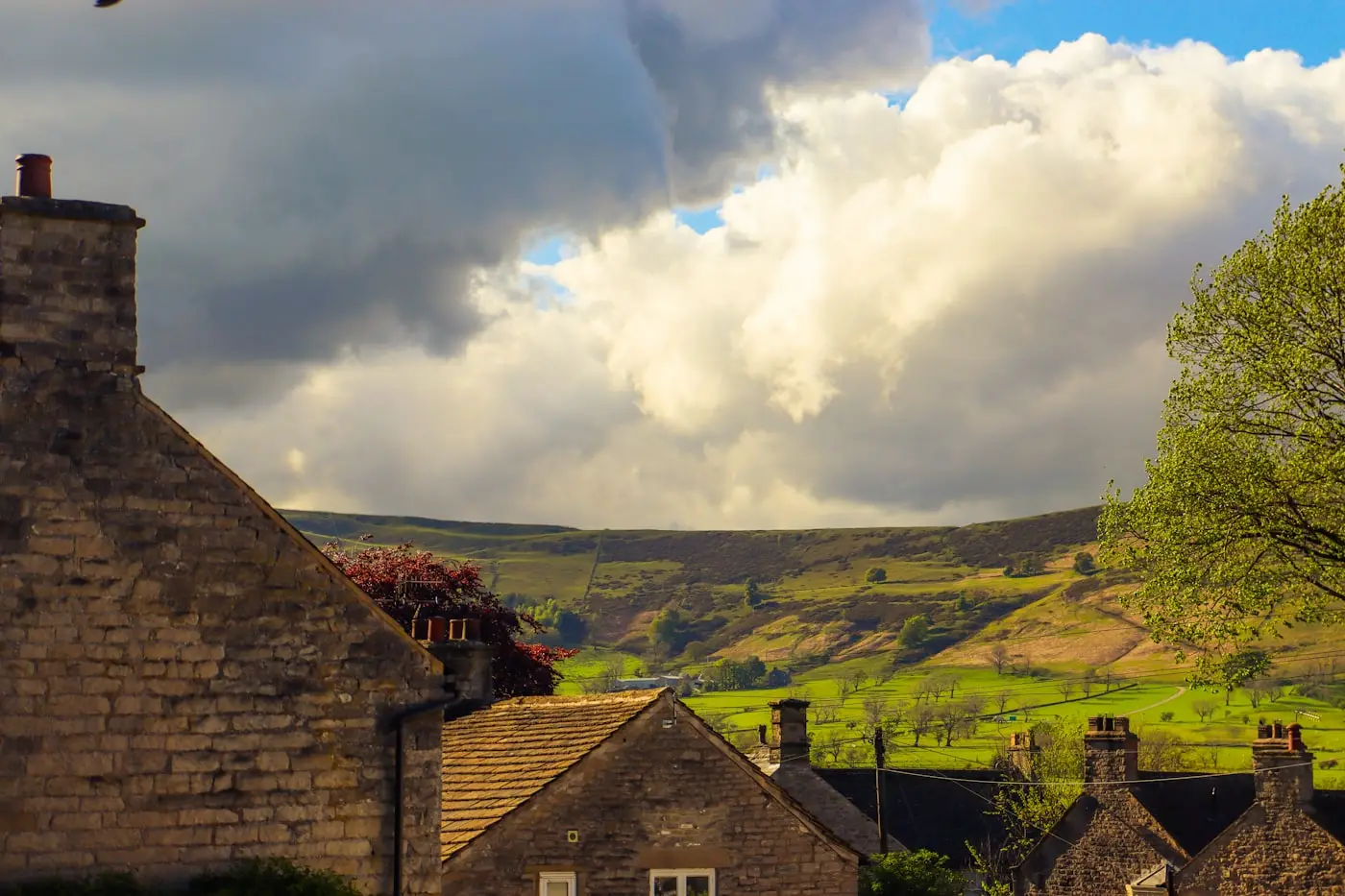
Leeds is not a single garden environment. It is twenty different ones stacked together in the same city boundary. The compact back-to-back yards of Hyde Park have almost nothing in common with the half-acre established gardens in Alwoodley or Shadwell. The rental terraces around the university in LS6 produce entirely different maintenance work from the tree-lined avenues of Roundhay in LS8. South Leeds estates, east Leeds leafy suburbs, the outer village fringe of Wetherby and Garforth and Morley -- each zone has its own character, its own soil conditions, its own set of garden problems that repeat property to property. If you are a Leeds homeowner looking for a reliable gardener, that local knowledge is worth far more than a low headline rate from someone who has never worked your postcode. This guide covers the city in the detail it deserves.
Leeds Garden Environments: What Your Postcode Tells You
Leeds covers a substantial area of West Yorkshire, and the garden landscape changes significantly as you move from the inner city outward. Knowing where your garden sits tells you a lot about what work it needs and what a realistic budget looks like.
Inner City (LS1, LS2, LS3, LS6 Hyde Park)
The innermost Leeds postcodes are dominated by terraced housing with small rear yards and, in many cases, no meaningful garden at all. LS1 and LS2 cover the city centre; LS3 takes in Woodhouse and the lower edge of the university belt. LS6 Hyde Park is worth singling out: this is one of the densest residential areas in Leeds, heavily student-occupied, with back-to-back and through terraces whose gardens range from paved yards to narrow strips of lawn that need only occasional attention. The most common garden service request from LS6 properties is end-of-tenancy clearance. Landlords in Hyde Park, Burley and the immediate university catchment run through these jobs in volume through July and August each year as tenancies turn over. Regular fortnightly maintenance is less common in these postcodes because the gardens are often simply too small to justify it -- a one-off annual tidy or a pre-let clearance is the typical booking pattern.
Inner Suburbs (LS7 Chapeltown, LS8 Harehills and Chapel Allerton)
Moving outward into LS7 and LS8, the housing stock shifts to Victorian and Edwardian terraces with more substantial rear gardens. Chapel Allerton in particular has some of the most attractive residential streets in inner Leeds, with well-maintained gardens on longer plots that suit ongoing maintenance contracts. Chapeltown and Harehills in LS7 cover a wide range of property types, from the larger houses on the better streets to more modest terrace plots. Garden sizes here are medium -- enough for a proper lawn and borders, manageable for a fortnightly visit. Established privet hedges are very common in both LS7 and LS8, and hedge trimming is among the most frequently requested services in this zone. The front hedges in particular on these Victorian streets can become substantial if left uncut, and a single good trim in late summer keeps them presentable through winter.
South Leeds (LS10 Hunslet, LS11 Beeston, LS12 Armley)
South Leeds covers a mix of mid-century estate housing and older terraced streets, with some newer development in Hunslet and Stourton closer to the city. Gardens in LS10, LS11, and LS12 tend to be medium-sized with a lawn and basic border planting -- functional rather than ornate, which means the most common maintenance request is straightforward: keep the lawn cut, keep the hedges tidy, clear up in autumn. There is a reasonable volume of clearance work in this area, particularly on rental properties and on gardens that have been left through a difficult season. Beeston in LS11 has a mix of older terrace housing and postwar semis; gardens here vary considerably but tend to respond well to a regular fortnightly maintenance contract through the growing season.
North and West Suburbs (LS16 Cookridge, LS17 Alwoodley, LS18 Horsforth)
The north and west suburbs of Leeds are where you find the city's larger private gardens. LS16 Cookridge and LS17 Alwoodley are among the most affluent postcodes in Leeds, and the gardens reflect it: detached properties with established lawns, mature planting, substantial privet and beech hedges, and the kind of garden infrastructure -- walls, patios, pergolas, irrigation -- that comes with decades of investment. Regular fortnightly maintenance here is the norm rather than the exception. The privet-heavy streets of north Leeds are notable: the density of established privet hedging along residential streets in Alwoodley, Moortown, and Shadwell is higher than almost anywhere else in Yorkshire. Two trims a year is the standard schedule. Horsforth in LS18 has a strong mix of Victorian and interwar housing with well-proportioned gardens that suit ongoing maintenance rounds. Roundhay Park is the centrepiece of the LS8 northern fringe -- Roundhay village itself has some of the most valued residential streets in Leeds, and gardens on the Roundhay side of the park are large, mature, and high-maintenance.
East Leeds (LS14 Seacroft, LS15 Whitkirk and Cross Gates)
East Leeds has its own distinct character. LS14 Seacroft is predominantly postwar estate housing, with gardens that are generally well-sized but often in need of more regular attention than they receive. Clearance work is common here, along with basic fortnightly lawn and border maintenance. LS15 Whitkirk and Cross Gates sit on higher, better-draining ground than the Aire corridor, with a mix of older village housing around Whitkirk itself and large amounts of 1970s and 1980s suburban development. The garden size is generally good in these postcodes, and regular maintenance contracts are common. Templenewsam estate on the eastern edge of LS15 backs onto a substantial park, and many properties adjacent to the park grounds have taken advantage of mature tree planting in the surrounding landscape -- these gardens can generate significant leaf-fall work in autumn.
Outer Villages (Morley LS27, Garforth LS25, Wetherby LS22, Pudsey LS28)
The outer LS postcodes take in distinct towns and villages that each have their own garden character. Morley in LS27 is a substantial town in its own right south of Leeds, with a mix of Victorian terraces and newer development; gardens here follow a broadly similar pattern to south Leeds but with more space on average. Garforth in LS25 sits east of Leeds on better-draining ground, with plenty of detached and semi-detached properties whose gardens respond well to a regular maintenance schedule. Wetherby in LS22 is the most distinct of the outer LS towns -- a market town on the River Wharfe, with a high proportion of larger detached properties and garden sizes to match. Maintenance work in Wetherby tends to be for more established, higher-value gardens. Pudsey in LS28 sits between Leeds and Bradford with a mix of housing types and garden sizes that covers most of the common maintenance scenarios.
Common Leeds Garden Maintenance Jobs
The range of garden work across Leeds is broad, but a few types dominate the bookings and are worth understanding in more detail.
Regular lawn care is the most common single service across all Leeds postcodes where properties have a meaningful lawn. The Leeds growing season runs from roughly March through to October, with the fastest growth in May and June when a fortnightly visit can feel barely adequate to keep pace. Lawn cutting, edging, and the occasional feed and aeration treatment are the backbone of most maintenance contracts in the suburban LS postcodes. For larger north Leeds properties in LS16 and LS17, fortnightly cutting through the peak season is standard practice.
Hedge work on north Leeds privet is a distinct Leeds speciality. The density of established privet hedging along the residential streets of Alwoodley, Moortown, Shadwell, and the upper Roundhay area is unusual even by Yorkshire standards. Many of these hedges were planted in the 1930s and 1940s and have been maintained to a consistent height ever since. Two trims a year -- late summer and late winter -- keeps them tight. Bird nesting season runs roughly March to August, so spring trimming is out. A late August cut after the main nesting season has finished is the standard timing for the first cut of the year.
Clearances on rental properties near the university are a significant seasonal booking type across LS2, LS3, and LS6. Student properties cycling through summer tenancy changeovers need gardens reset before the next intake in September. These are typically one-off jobs: cut back whatever has grown unchecked, remove the accumulated green waste, leave the plot tidy. Landlords who book these in June, ahead of the peak July-August rush, typically get better pricing and scheduling.
Landscaping and garden development on the Alwoodley and Shadwell development belt is an ongoing pattern in north Leeds. New-build and extended properties along the northern arc of Leeds from LS17 through to LS14 generate consistent landscaping work: initial lawns laid from turf, patio installs, retaining walls on sloped plots, planting schemes. This is a different category from maintenance, but it feeds into ongoing regular maintenance once the initial landscaping is complete.
See the full garden maintenance service page for a complete breakdown of what a regular maintenance contract covers and how to structure one for your garden.
Leeds Clay Soil and Drainage: What Every Leeds Gardener Should Know
Most of Leeds sits on heavy glacial till deposited during the last ice age. This material -- a dense mix of clay, silt, and rock fragments -- drains slowly, compacts readily, and presents a consistent challenge for anyone trying to grow a decent lawn or productive borders in the city. If you have dug a hole in your Leeds garden and hit a solid, grey-brown mass below the topsoil, you have met the local geology. It is not unusual, and it is not a disaster, but it does require different management than the better-draining soils you find in the Wharfe valley or on the limestone uplands to the north.
The practical implications are significant. Compacted clay restricts root growth, pools surface water after rain, and bakes hard in dry spells in a way that actively excludes air and water from the rooting zone. Spring aeration -- either hollow-tine or solid-tine depending on the severity of the compaction -- is not optional on a clay Leeds lawn if you want it to perform through summer. A gardener who simply mows your lawn and never mentions aeration is missing one of the most important annual jobs for a Leeds garden.
There are meaningful variations within the city. The ridge above Headingley running into LS6 and parts of LS7 sits on slightly more varied ground, with some better-draining substrate on the higher ground. The same applies to parts of Harehills above the main Roundhay Road corridor. The low-lying land through the Aire corridor -- Kirkstall, Armley, Hunslet -- is the most prone to waterlogging and benefits most from attention to drainage. If your garden sits in a hollow or at the base of a slope in these postcodes and gets wet patches through winter that persist into spring, the clay till is almost certainly the cause. Raised beds, improved topsoil, and carefully positioned drainage runs are the practical answers.
Gardener Prices in Leeds
Leeds pricing is broadly consistent with the Yorkshire average, and comfortably below what the same work would cost in London or the commuter belt south of Birmingham. For the full national picture, the UK gardener cost guide sets out regional variation in detail. The table below covers Leeds-specific rates for 2026.
| Service | Leeds typical range | Notes |
|---|---|---|
| Hourly rate | £20-£35/hr | Regular contracts at the lower end; one-off or complex jobs higher |
| Day rate | £150-£250/day | Clearances and larger projects usually priced per day |
| Fortnightly maintenance | £30-£80/visit | North Leeds larger gardens at the upper end; inner city smaller plots lower |
| One-off lawn cut | £25-£55 | Depends on lawn size; overgrown lawns may carry a first-cut premium |
| Hedge trimming (per hedge) | £40-£120 | Short front privet at the low end; long run or tall hedge at the top |
| Garden clearance | £200-£450 | Medium neglected garden; heavily overgrown can reach £500-£700 |
North Leeds postcodes -- LS16, LS17, LS18, parts of LS8 and LS19 -- tend toward the upper end of the fortnightly maintenance range. The gardens are larger, the hedges more substantial, and the expectations around presentation are higher. A north Leeds fortnightly maintenance visit running £45-£80 is standard for a medium-to-large detached plot. Inner city and inner suburb postcodes with smaller gardens typically see maintenance visits in the £30-£45 range. For a full read on what drives pricing differences across Yorkshire, the lawn mowing service guide for Yorkshire covers the factors in detail.
Finding a Reliable Gardener in Leeds
Leeds is a big city, and the sheer number of people advertising garden services is both a benefit and a complication. Unlike a smaller Yorkshire town where word of mouth from neighbours quickly establishes who the reliable local gardeners are, Leeds is large enough that garden services are fragmented across hundreds of individual traders and small companies, with significant variation in quality, reliability, and pricing transparency.
The common failure mode when finding a gardener in Leeds is relying on a single online search and booking the first name that comes up. In a smaller market this might work out, but in Leeds the range of outcomes is wide. There are excellent local gardeners working every postcode in the city, but there are also plenty of traders who advertise broadly and then underdeliver on reliability or quality. The practical difference between a good gardener and a mediocre one is not usually the first visit -- it is whether they show up reliably six weeks later when your lawn has grown through and you need the second visit on schedule.
A few practical filters when assessing any Leeds gardener. Insurance should be confirmed before any work starts: public liability cover is non-negotiable for any reputable trader. A Waste Carrier's Licence is required by law to take green waste off your property and dispose of it legally -- if a gardener cannot show you their licence number, your garden waste is either being fly-tipped or composted on their own land, which is a problem you do not want to inherit. References from regular maintenance customers in your specific area of Leeds are worth asking for, not generic testimonials.
Yorkshire Lawn and Garden takes a different approach. Rather than a broad directory of anyone who has listed themselves, the service matches you with gardeners who cover your specific LS postcode and have already been assessed for the basics. Fill in the 60-second estimate form with your postcode, the work you need, and your preferred schedule. We come back with a free estimate from a local gardener -- no obligation to proceed, no passing your details to multiple contractors, no automated follow-up sequence. If the price works, you book. If it does not, you do not. Straightforward.
Leeds Postcodes Covered: LS1 to LS29
We cover the full Leeds district, including all LS postcodes from LS1 in the city centre through to LS29 on the Wharfedale fringe at Ilkley. That covers the full range of Leeds garden environments: the inner city, the Victorian inner suburbs, south and east Leeds estates, the north and west suburban belt, and the outer villages and towns that sit within the Leeds metropolitan boundary.
Full LS postcode coverage
LS1 City centre, LS2 Woodhouse, LS3 Woodhouse, LS4 Kirkstall, LS5 Hawksworth, LS6 Hyde Park / Headingley, LS7 Chapeltown, LS8 Harehills / Chapel Allerton / Roundhay, LS9 Burmantofts / Richmond Hill, LS10 Hunslet / Middleton, LS11 Beeston / Holbeck, LS12 Armley / Wortley, LS13 Bramley / Pudsey, LS14 Seacroft / Cross Gates, LS15 Whitkirk / Cross Gates, LS16 Cookridge / Weetwood, LS17 Alwoodley / Moortown / Shadwell, LS18 Horsforth, LS19 Yeadon / Rawdon / Guiseley, LS20 Guiseley, LS21 Otley, LS22 Wetherby, LS23 Boston Spa, LS24 Tadcaster, LS25 Garforth / Kippax, LS26 Rothwell / Woodlesford, LS27 Morley / Gildersome, LS28 Pudsey / Farsley, LS29 Ilkley / Ben Rhydding.
Related Garden Services in Leeds
Regular garden maintenance is the most common service we arrange in Leeds, but it is far from the only one. Several related services are particularly relevant to Leeds gardens specifically.
Lawn care stands alongside general maintenance as a distinct priority for Leeds gardens given the heavy clay substrate across most of the city. Spring aeration, scarification to remove thatch buildup, and autumn lawn treatments all make a material difference to how a Leeds lawn performs through the growing season. If your lawn has been maintained but never aerated, the difference a hollow-tine aeration session makes in a clay Leeds garden is striking -- better drainage, more even growth, and grass that recovers faster after dry spells.
Garden clearance in Leeds runs year-round but peaks in spring and in July and August during the tenancy changeover season. If you have inherited an overgrown garden, come back to a property that has been unattended for a season, or are turning over a rental property, a clearance is the practical first step before any maintenance routine begins. The cost of a clearance is highly dependent on the state of the garden -- always get a price after an in-person assessment rather than accepting a phone estimate.
Hedge trimming in Leeds follows the nesting season calendar: the window runs from late August through to the end of February, with late August and January-February being the most common booking slots. If you have privet hedges in north Leeds and want them kept at a consistent height, a fortnightly maintenance gardener who also handles the annual hedge trim is the most convenient arrangement. For one-off trims on overgrown hedges, a separate booking is usually the right approach.
For more on lawn care across Yorkshire specifically, see the lawn mowing service guide.
Get a free estimate for your Leeds garden.
60-second form. A local gardener covering your LS postcode will come back with a price. No obligation.
Start the estimateFrequently Asked Questions
How much does garden maintenance cost in Leeds?
Garden maintenance in Leeds typically costs £20-£35 per hour, in line with the Yorkshire average. A fortnightly visit for a medium garden runs £30-£80. North Leeds gardens in LS16, LS17, and LS18 tend toward £35-£50 per visit given the larger plot sizes. Inner city and small courtyard gardens in LS2, LS3, and LS6 cost less per visit because the jobs are shorter. A one-off lawn cut runs £25-£55 depending on garden size. Hedge trimming is usually priced separately at £40-£120 per hedge. Garden clearance for a medium neglected plot typically costs £200-£450. For a full breakdown of what drives these prices nationally, see the UK gardener cost guide.
Which areas of Leeds do you cover?
We cover all LS postcodes: LS1 through LS29. That includes central Leeds, all inner suburbs (Headingley, Hyde Park, Chapel Allerton, Harehills, Chapeltown), South Leeds (Hunslet, Beeston, Middleton), North and West Leeds (Cookridge, Alwoodley, Horsforth, Roundhay, Moortown), East Leeds (Seacroft, Whitkirk, Cross Gates), and the outer villages including Morley, Garforth, Wetherby, and Pudsey. If your garden is in the Leeds district, we cover it.
How do I find a reliable gardener in Leeds?
In a city as large as Leeds, the range of quality among gardeners is wide. Key things to check before booking: public liability insurance (essential), a Waste Carrier's Licence if waste removal is needed, and local knowledge of your specific LS postcode. Yorkshire Lawn and Garden matches you to vetted local gardeners who cover your area. Use the 60-second estimate form with your postcode and the work you need -- we come back with a free price, no obligation.
Can I get a regular weekly gardener in Leeds?
Yes, though fortnightly visits are the more common schedule for most Leeds gardens. Weekly lawn maintenance is available for larger north Leeds properties in LS16, LS17, and LS18 where growth through May and June can be rapid. For most medium-sized suburban Leeds gardens, fortnightly visits from April to October are the right balance of frequency and cost. Specify your preferred schedule when you request a quote and we will match you accordingly.
What is the best way to maintain a Leeds garden in spring?
Spring is the most important season for a Leeds garden. The heavy clay soil across most of the city needs aerating before the growing season begins -- compaction over winter restricts drainage and root growth, and a hollow-tine aeration in late March or April makes a significant difference to how the lawn performs through summer. A first cut in late March or early April, edging the borders, weeding before annual weeds establish, and a lawn feed sets the garden up for the season. For north Leeds privet hedges, do not cut in spring -- wait until late August to stay well clear of the nesting bird season. Book your regular gardener in February or early March to secure a slot before the April rush.
More Leeds and Yorkshire Resources
- Leeds local garden services page
- Garden maintenance across Yorkshire
- How much does a gardener cost in the UK? (2026 prices)
- Lawn mowing service in Yorkshire
- Horsforth gardeners
- Garforth gardeners
- Morley gardeners
- Wetherby gardeners
- Pudsey gardeners
Gardeners in nearby areas
We cover the full Leeds district and connect into the wider Yorkshire network. Find your nearest town page: